Trilateral talks between Ukraine, Russia, and the United States have resumed for a second session in Abu Dhabi, but the fundamental negotiating positions of Kyiv and Moscow, which have prevented progress in previous attempts, remain essentially unchanged.
Delegates from Ukraine, Russia, and the United States met in the United Arab Emirates (UAE) on Wednesday morning for a fresh round of Ukraine war peace talks. The last series was held in the same city on January 23rd and 24th, and while all parties seemed to agree they had been constructive, no serious progress was publicly stated to have emerged.
Both the U.S. and Ukraine have previously expressed that real answers are unlikely to emerge until there are leaders’ talks between Ukraine and Russia, given that solid decisions on the peace process wouldn’t be possible with any less authority in the room than the head of state. Nevertheless, the trilateral talks are the first time the two main combatants have sat across a table and talked in years, and the talks may lay the groundwork for future leader-level meetings.
But progress is likely to be slow; neither Kyiv nor Moscow have blinked on their frequently asserted red lines, and mutual criticism is harsh. It remains the case that Russia absolutely demands that Ukraine hand over swathes of the east of its own country into permanent Russian possession, including territory it has failed to capture, something Kyiv is unlikely to agree to. And Ukraine absolutely insists on getting rock-solid security guarantees from the West — particularly the United States — something NATO is wary of, given it creates a potentially nuclear tripwire in eastern Europe.
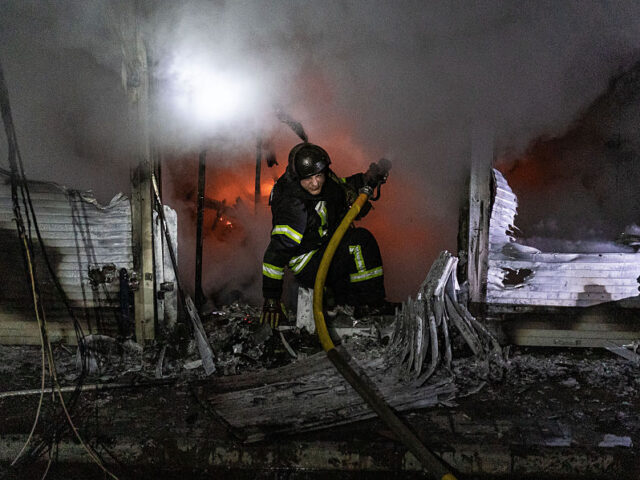
Furthermore, Ukraine says the heavy Russian air strikes in recent days demonstrate that Russia isn’t truly interested in peace and used last week’s cold weather ceasefire to simply build up forces for greater attacks once the agreement expired. Indeed, Russia’s massive airstrike against Ukrainian citizens overnight into Tuesday morning was the largest in over a year, Kyiv said, noting over 70 missiles were launched, including many ballistic missiles at energy infrastructure.
Ukraine’s President Volodymyr Zelensky accused Russia of “deliberately” breaking what had been called a week-long truce, and said: “Either Russia now believes that there are four incomplete days in a week instead of seven, or they are really betting only on war and waiting for the coldest days of this winter… We believe this Russian strike clearly violates what the American side discussed, and there must be consequences”.
Russia struck again last night, just hours before negotiators met, with the governor of Odesa claiming a “massive attack with strike drones”. Russia claimed the same of Ukraine, stating Kyiv had launched missiles and drones that damaged “infrastructure” and “civilian facilities” in Belgorod and Bryansk.
As talks began on Wednesday, Ukraine’s Rustem Umerov confirmed discussions were underway and said in a statement:
The negotiation process started in a trilateral format – Ukraine, the United States, and Russia. Next comes work in separate groups by area, after which a follow-up joint synchronisation of positions is planned.
We are working within the clear directives of President Volodymyr Zelenskyy to achieve a dignified and lasting peace.
We inform the Head of State about the progress of each stage of the negotiations.
The Kremlin also confirmed that talks were underway and asserted that Ukraine must bend to its will. Russian President Vladimir Putin’s personal spokesman Dmitry Peskov said of that: “Until the Kyiv regime makes the appropriate decisions, the special military operation continues”.
Spokesman for the Russian Foreign Ministry, Maria Zakharova, also spoke out on Wednesday about Russia’s red lines, asserting Moscow’s position that the only foreign country that should be allowed to have troops deployed inside Ukraine is Russia. She said of European plans to create an assurance force for Ukraine: “What this really is is an overt plan for foreign military intervention. That’s the only way to describe it… The forces of this so-called coalition of the willing will be led by Britain and France”.
She said, per Moscow state media: “Russia has repeatedly made clear that the presence of Western troops on Ukrainian soil, under any flag, threatens our security. We will treat these troops as legitimate military targets.”
Russia has made several such declarations over the past year as it has attempted to deter NATO, the U.S., and European states from trying to keep the peace in a post-ceasefire Ukraine by deploying their own forces to the ground. So far, the most enthusiastic proponents have been the United Kingdom and France, and last month the two countries signed a “declaration of intent on the deployment of forces”.
This “paves the way for the legal framework under which British, French, and partner forces could operate on Ukrainian soil, securing Ukraine’s skies and seas, and regenerating Ukraine’s armed forces for the future”, said Prime Minister Sir Keir Starmer.
Ukraine’s Zelensky appears to have been somewhat unmoved by these developments, and has made clear that either total American guarantees of war with Russia if Moscow attempts to invade again, or an independent Ukrainian nuclear deterrent are the levels of assurance he feels his country needs.
COMMENTS
Please let us know if you're having issues with commenting.