
April 6 (UPI) — The price of oil seesawed in trading on Monday in response to the U.S. President Donald Trump’s threat to obliterate Iranian power plants and bridges unless Tehran allows shiping to flow freely through the critical Strait of Hormuz.
Brent crude, the global benchmark, jumped to over $110 a barrel in trade in Asia before retreating slightly after reports emerged of talks to avert escalation involving a possible 45-day cease-fire.
Amid improving sentiment following the news of a potential deal, the price of Brent crude had earlier fallen as low as $107 a barrel.
Brent futures for June delivery stood at $108.48 per barrel in early trading on the Intercontinental Exchange. Typically cheaper West Texas Intermediate, the U.S. benchmark, was trading at $110 for May delivery, after posting a drop of more than $1.50.
However, the choppy price discovery came amid reduced trading volume because markets were closed for a statutory public holiday in parts of Asia and all of Europe.
The current inversion of the price differential was partly because the WTI market is still trading the May contract amid slim prospects for an end to war by then and partly because of oil traders discounting the transportation cost advantage of Brent due to Iran’s effective blockade of the Strait of Hormuz, via which around 20% of global oil supply is exported.
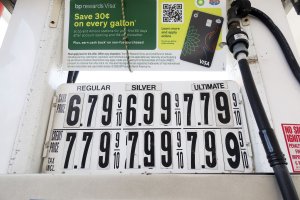
Gas and diesel prices rose again across the United States on Monday, hitting a national average of $4.12 and $5.62 a gallon, the AAA motoring organization said, up 38% and 49% respectively, since the war began on Feb. 28.
Oil price fluctuations normally take several days to feed through into prices at the pump.
Sushant Gupta, Research Director, Asia Pacific Refining and Oils at Wood Mackenzie, said oil prices would remain volatile, moving in step with developments, up with any sign of escalation and retreating when moves to end the war come to the fore.
However, Gupta said the overall attention was centered on the implications of any move for the ongoing energy supply disruption caused by Gulf nations being physically blocked from getting their products to their global customers.
The New York Times said the energy shock would likely push the cost of living higher all over the world, with particular impacts on at-risk regions where people could be left without essentials, including electricity, clean water and cooking fuel.
COMMENTS
Please let us know if you're having issues with commenting.