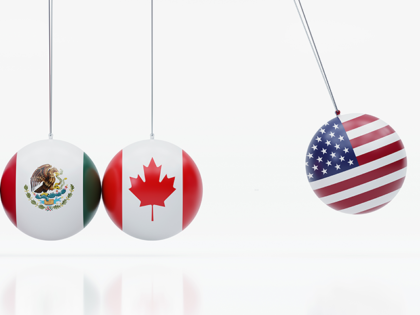
Breitbart Business Digest: The Tariff Tantrum Sends Economists into Frenzy of Fear
If bull markets are breeding grounds for irrational exuberance, bear markets tend to produce prophets of doom.
If bull markets are breeding grounds for irrational exuberance, bear markets tend to produce prophets of doom.
Uncertainty isn’t always economically harmful. President Trump’s “Liberation Day” tariffs may be exactly what the U.S. economy needs to break out of the low-investment, high-dependence trap that the free trade consensus left behind.
Tomorrow’s tariff announcement will not be the beginning of the trade war. It’s the beginning of the end of the trade war — the day America started fighting back.
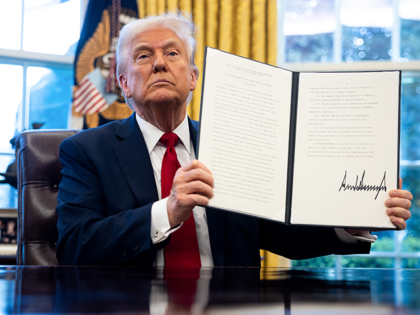
So, when critics say tariffs are just crony capitalism for incumbent firms, point them to the stock market. It’s not cheering. It’s panicking. Because this time, the rules really are changing.
We’re seeing is a bizarre and persistent gap between what Americans are doing — spending more, earning more, feeling good about the country’s direction — and what consumer sentiment surveys claim they are feeling.

As long as our trading partners continue to use Value-Added Taxes (VATs) to their advantage, the United States must be willing to respond in kind with tariffs.
The notion that tariffs cause inflation has become a super-virus infecting the minds of President Trump’s critics, seemingly immune to the usual antibiotics of economic evidence and logic.
Consumer confidence is down, business leaders are worried, and headlines are awash in recession fears. Yet actual economic data stubbornly refuse to cooperate with this gloomy narrative.

Trump’s plan to scale back government is about more than just balancing the books. It’s about forcing the economy to confront the reality that government-driven growth is a lie.
The “Recession That Never Happened” is already over, and the numbers prove it.
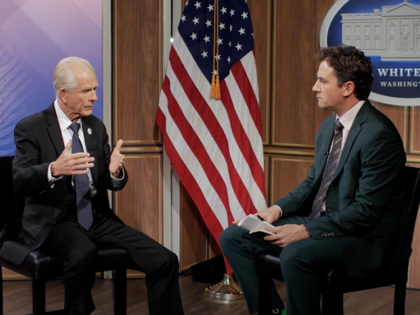
In an exclusive interview with “The Alex Marlow Show” podcast, Peter Navarro explained how the Trump administration plans to decisively defeat inflation and why the media is getting it all wrong.
The U.S. economy is no longer running on government stimulus and consumption-driven policies. It is being powered by a return to production, and that is the defining economic shift of 2025.
A properly designed tariff policy is not an attack on free trade. It is the only way to save it in a world where trade has been manipulated by mercantilist government policies.
Partisan consumer sentiment gaps have been growing for years, but we’ve now entered uncharted territory.
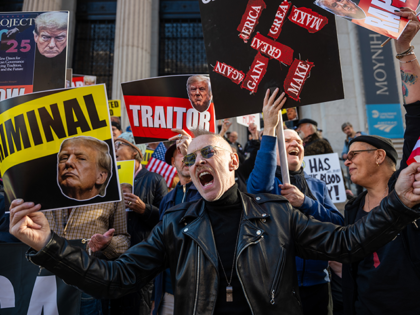
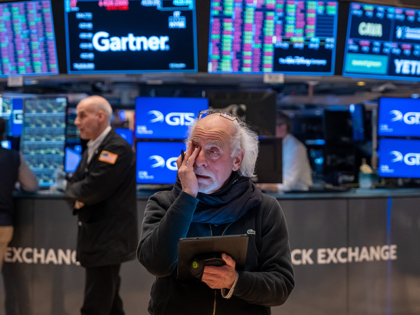
If you’re looking for an explanation of why the stock market has been stumbling, the financial press has a ready-made answer: blame Trump’s tariffs.
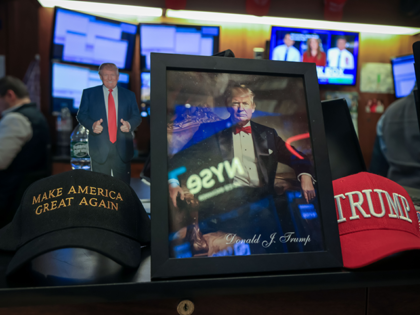
The transition away from government-driven growth was always going to be disruptive, but it is necessary for long-term stability.
The January JOLTS report underscores a nascent blue-collar boom, particularly notable in manufacturing, as job openings and hires rose significantly in the early weeks of Trump’s second term.
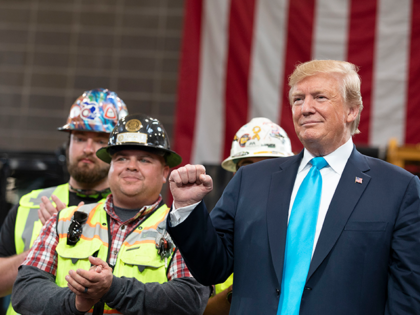
Rather than reversing the U.S. trade deficit, D.C. policymakers have allowed it to expand while simultaneously increasing the role of government to compensate for the damage it causes.
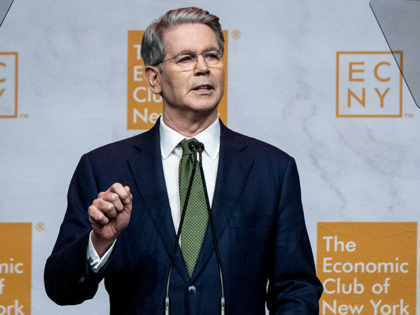
Speaking today before the Economic Club of New York, Treasury Secretary Scott Bessent laid out the intellectual foundation of Trump’s economic vision, describing a comprehensive strategy designed to restore American prosperity and reclaim economic sovereignty.
President Trump’s tariff policies are a recognition that America cannot fix its economy without confronting the policies of surplus nations that have spent decades rigging the system in their favor.
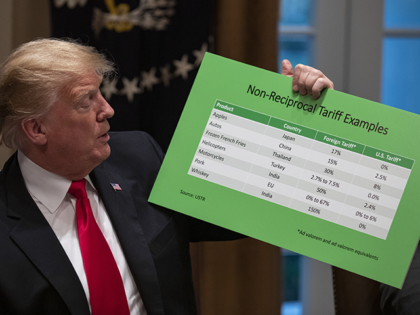
The history of tariffs suggests that initial fears of widespread consumer price increases were overstated.

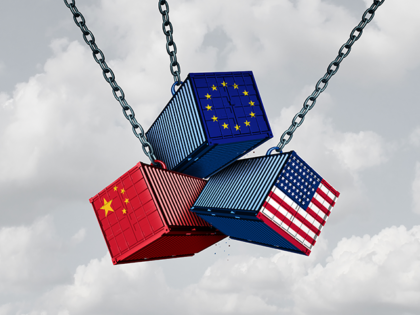
President Trump’s new round of tariffs is set to take effect, and once again, critics are predicting economic disaster.
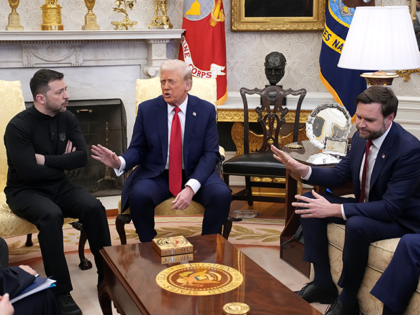
Wall Street ended the week on a high note, shaking off geopolitical tensions after President Donald Trump’s tense White House showdown with Ukrainian President Volodymyr Zelensky.
The latest GDP report released Thursday by the Bureau of Economic Analysis confirms what many economists had been quietly warning: beneath the surface, the economy is weaker than it seemed.
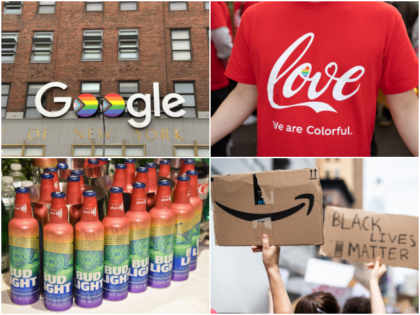
A dramatic and decisive shift is sweeping through corporate America, as diversity, equity, and inclusion (DEI) initiatives crumble in the face of legal scrutiny, economic reality, and shifting public sentiment.
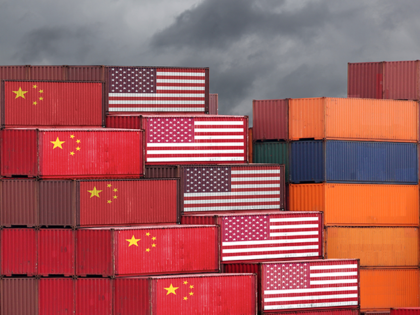
The Republican Party has firmly re-established itself as the party of tariffs, marking a sharp departure from the free trade consensus that dominated its economic philosophy in the late 20th century.
It would be nearly impossible to exaggerate the economic significance of renewing provisions from the 2017 Tax Cuts and Jobs Act (TCJA).
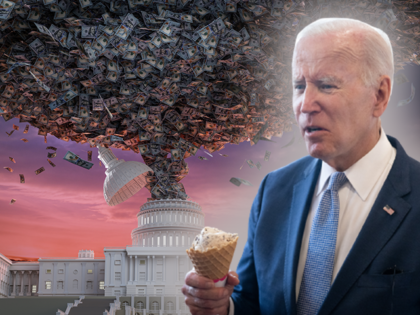
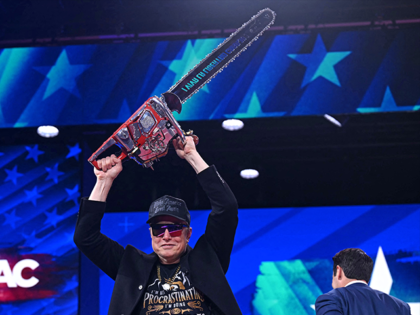
Some analysts argue that these “DOGE Dividends” could contribute to inflation. However, the economic impact of this policy differs significantly from the Biden-era stimulus measures that drove inflation to four decade highs.
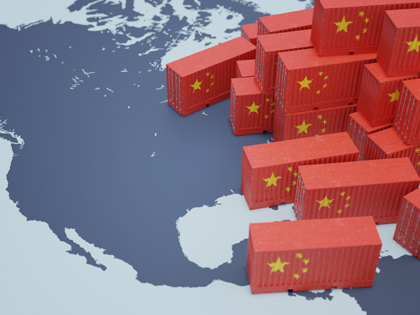
America has become an unwitting partner in a trade policy designed in Beijing—a policy that systematically erodes U.S. manufacturing, distorts global markets, and leaves American workers at a disadvantage.
A wise man once said that the best investors buy from pessimists and sell to optimists.
Wall Street might not like it. The free-trade purists might complain. But the reality is clear: tariffs are not an attack on free trade. They are the only way to make free trade real.
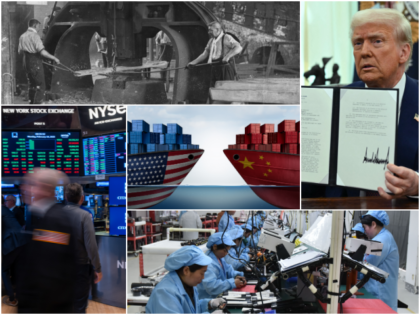
Donald Trump’s return to the White House is being experienced by many in Washington, DC, as a calamitous upheaval, but that’s not how it looks across the country.
The Consumer Financial Protection Bureau (CFPB) has become one of Washington’s most powerful—and least accountable—agencies. But the days of the CFPB’s unchecked power are over.
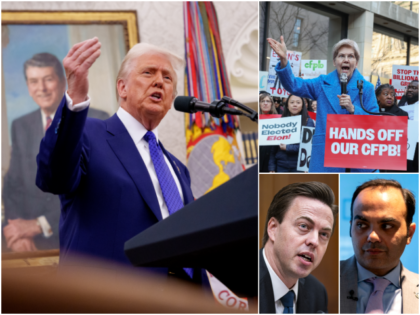
Heads exploded across the establishment financial press on Wednesday when President Donald Trump proclaimed that tariffs and lower rates go hand in hand.
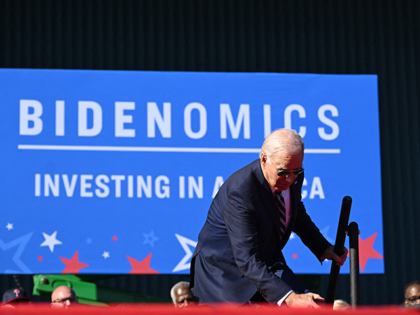
ason Furman, a longtime Democratic economist and former Obama adviser, has issued a stunning rebuke of Bidenomics, confirming what many of us have been saying for years about the disastrous economic policies that voters rejected in 2024.
Americans, with a buoyancy unseen in years, are exhibiting a rekindled confidence in the trajectory of the U.S. economy.
We got some powerful support this week for our argument that President Trump is not demanding that the Federal Reserve cut interest rates.
The Peterson Institute’s analysis is not a serious indictment of tariffs—it’s an unintentional case for their effectiveness.
President Trump’s inauguration has led to a surge in optimism and demand in the manufacturing sector.
Donald Trump won the debate on tariffs within the Republican Party and has greatly increased support for tariffs among all Americans.