Oil Rallies as OPEC Cuts Deal to Reduce Output
An agreement among member nations of the Organization of Petroleum Exporting Countries to reduce output by one percent was announced Wednesday morning.

An agreement among member nations of the Organization of Petroleum Exporting Countries to reduce output by one percent was announced Wednesday morning.

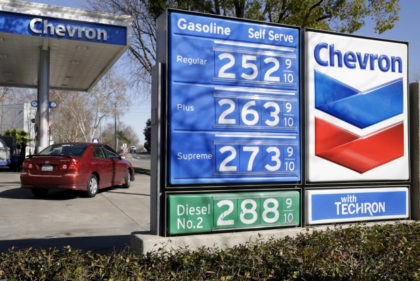
All of us loved less-than $2 a gallon at the pump. AAA reports: “Americans paid cheapest quarterly gas prices in 12 years”—which resulted in savings of nearly $10 billion compared to the same period last year. However, oil (and, therefore gasoline) has been creeping upward since the February low—topping $45 a barrel, a high for the year. And that could be a good thing.

Researchers find that some buyers pay for environmentally friendly products because those products act as “status symbols.”

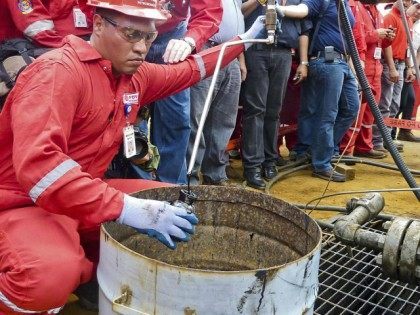
The government of Venezuela has received its first shipment of oil imported from the United States – 500,000 barrels from West Texas Intermediate (WTI), purchased through Venezuela’s U.S.-based affiliate, Citgo Oil.

Oil crashed by 6.3 percent to $30.98 on January 11, as the price of crude oil continues to fall toward the $25 break-even cost of production that Breitbart News predicted last March.

A little more than a year ago, oil prices reached above $100 a barrel. Gasoline averaged in the $3.50 range nationally. In late spring, oil appeared $60ish and the national average for gas remained around $2.70. The price of a barrel of oil has since plunged to $40 and below—yet, prices at the pump remain just slightly less than they were when oil was almost double what it is today.

Thursday, the Energy and Commerce Subcommittee will debate lifting the export ban on crude oil. The Agriculture Committee held a hearing Wednesday on the issue. Cramer told Breitbart News that many independent studies show that lifting the crude oil export ban would more likely bring the price of fuel down.

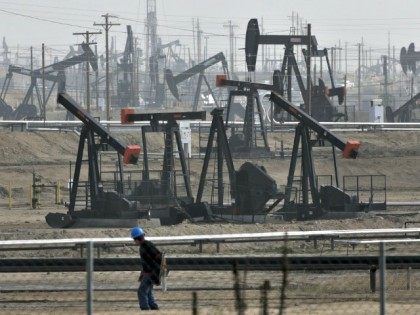
With every OPEC member now at a higher break-even cost than the U.S., it is OPEC members that are at risk of being bankrupted in the second wave of the U.S. oil boom.

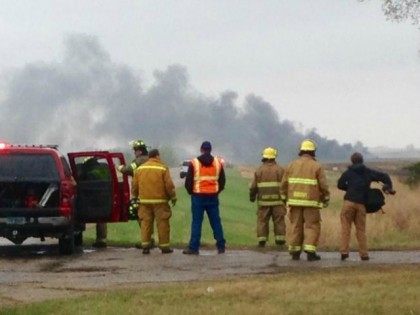
Rep. Kevin Cramer (R-ND) traveled to his state of North Dakota to view the train derailment that occurred Wednesday morning near Heimdal, North Dakota. He noted that “no amount of regulations” would prevent accidents from occurring.

Many complicated factors contribute to the global price of a barrel of oil, but two of the leading components are supply and risk—and both have the potential to escalate in the days ahead.

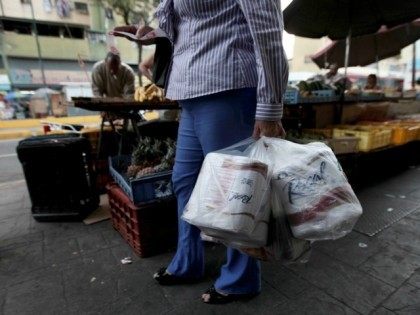
Acutely aware of Venezuela’s growing economic destitution, the government of Trinidad & Tobago has proposed exchanging Venezuelan oil for Trinidadian toilet paper, to keep supplies in the South American nation’s market replenished.

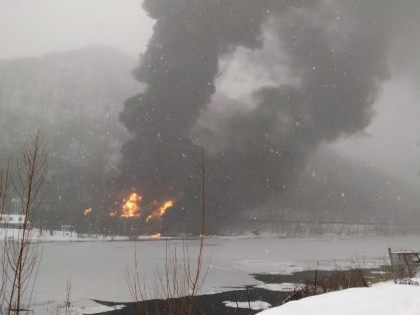
Oil cars were still burning more than a day after a train carrying 3 million gallons of North Dakota crude derailed in a West Virginia snowstorm, shooting fireballs into the sky.