Fed Officials Are Worried But So Far See Little Drag on Economy from Trade War
The Fed minutes reveal that officials are talking about trade a lot more but not seeing much evidence of negative effects yet.
The Fed minutes reveal that officials are talking about trade a lot more but not seeing much evidence of negative effects yet.
The China doves got turned to ashes and dust when earlier trade talks hit a dead end, according to an administration official.
The results show that strong demand for housing from Americans, fueled a stronger economy and very low unemployment, is more than enough to offset the impact from higher materials costs and alleged labor shortages.

There are 20 times as many American jobs that have been created in the last six months thanks to President Trump’s tariffs on imported foreign goods than jobs that have been lost.
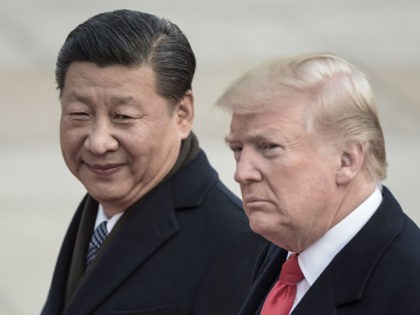
The road map would lead to meetings between President Donald Trump and Chinese leader Xi Jinping at multilateral summits in November, according to the Wall Street Journal.
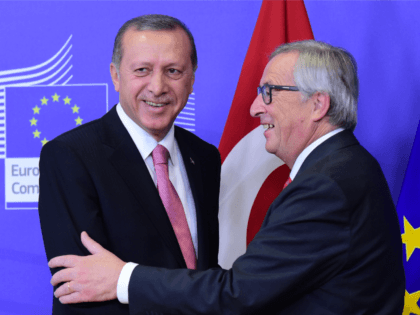
Turkey has taken an unusually conciliatory approach to the European Union (E.U.) and asked for financial backing as it fights an escalating U.S. trade and tariff war.
Despite fears that trade disputes and tariffs could weigh on the U.S. economy, there are no signs they are costing U.S. jobs.

This month’s meeting would be the first between senior U.S. and Chinese officials since June 3.
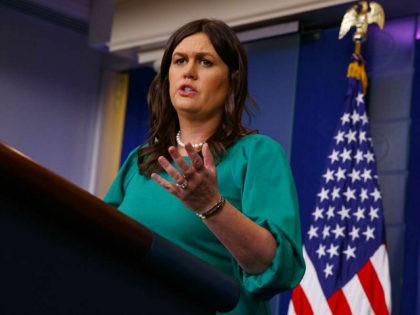
The Trump administration would consider relenting on U.S.-imposed sanctions on Turkey related to the detention of Pastor Andrew Brunson if he is released, White House Press Secretary Sarah Sanders told reporters Wednesday.

The latest evidence that President Donald Trump’s trade war is not the disaster “experts” predicted came via the Wall Street Journal on Tuesday: investors are moving their money into the United States as Trump’s aggressive policies destabilize competing markets.
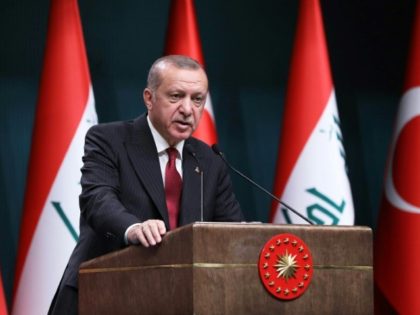
Turkish President Recep Tayyip Erdoğan signed a decree Wednesday imposing new tariffs on American rice, alcohol, and other products, revealed shortly after a Turkish court in Izmir once again rejected a request to release American pastor Andrew Brunson.
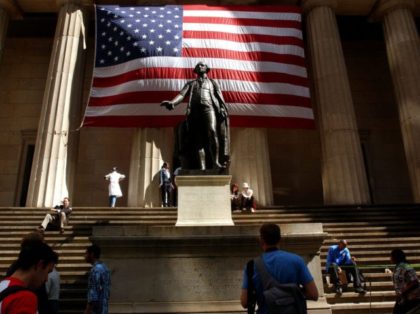
From George Washington to Thomas Jefferson to Andrew Jackson to Calvin Coolidge, America’s greatest leaders backed tariffs.
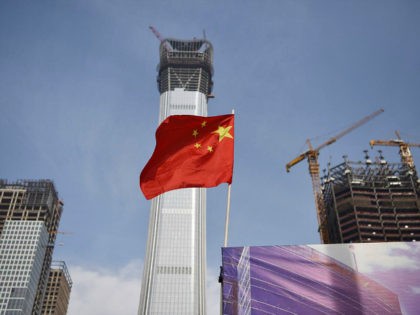
The Chinese economy continues to show signs of cooling as the trade war between the nation and the United States heats up.
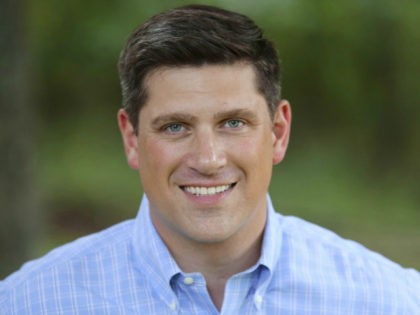
Republican primary candidate Kevin Nicholson, who is seeking to be elected as the U.S. senator from Wisconsin against incumbent Sen. Tammy Baldwin (D-WI), praised President Donald Trump’s trade negotiations during a Monday Breitbart News Tonight interview with Breitbart News Senior Editors-at-Large Rebecca Mansour and Joel Pollak.
Retail sales, industrial production, and fixed investment all came in lower than expected, while unemployment rose.
President Trump’s “buy American, hire American” approach to the United States economy has had a trickle-down impact on voters who, by a large majority, are economic patriots.
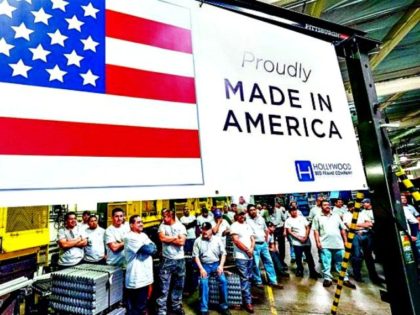
A new study by economists for the New York Fed appears not to understand the basics of the Trump administration’s tariffs.

Kevin Hassett raises the idea of throwing China out of the World Trade Organization.
Donald Trump has long said that it is easier to negotiate trade deals between two countries instead of multilateral deals. NAFTA negotiations seems to be proving him right.
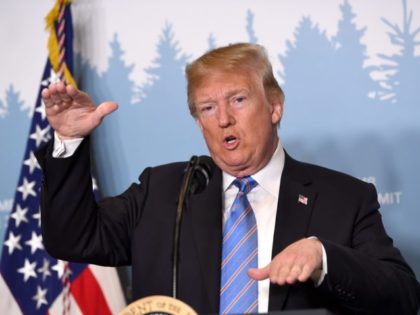
The Turkish lira took a nosedive on Friday as Turkish President Recep Tayyip Erdogan decisively lost the first battle in his “economic war” against the United States.
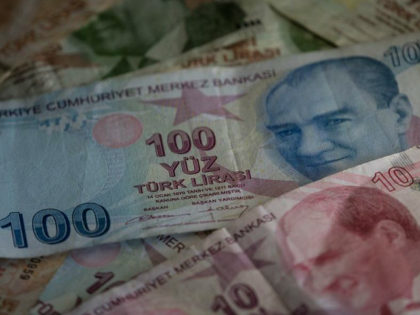
The latest broadside fired by China in its trade war with the United States was a list of $16 billion in American imports subjected to a 25 percent retaliatory tariff. One major item that was supposed to be on the list was quietly removed: oil. Analysts wonder if this conspicuous omission is a sign China is blinking in its economic staredown against the Trump administration.
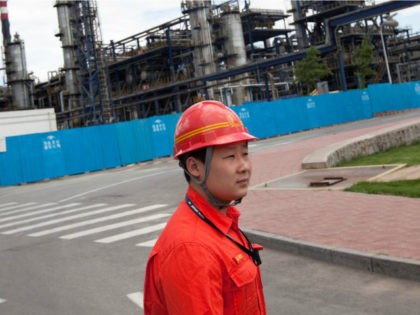
“Our relations with Turkey are not good at this time!” Trump wrote on Twitter.
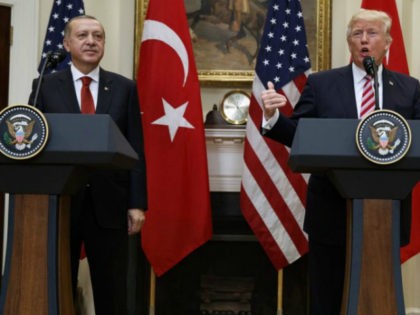
The establishment media and a TV manufacturer are blaming President Trump’s tariffs on cheap, Chinese imports for the closure of the company whose product is made in China.
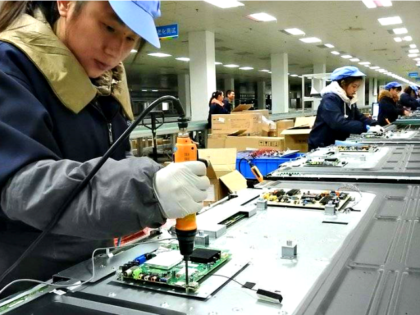
China thought that its authoritarian government and command economy made it stronger than the politically divided, market economy of the U.S. Now it’s not so sure.
Jobless claims unexpectedly fell last week and price data suggests inflation is still muted.
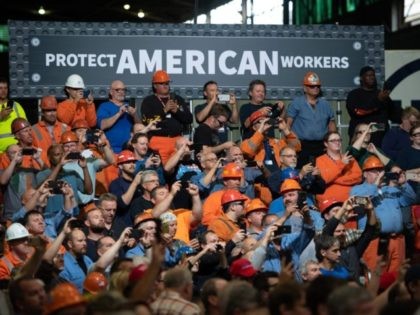
“Mr. President now is the time to play tough on trade. Hold the line,” a group of CEOs reportedly told Donald Trump Tuesday night.
Still no signs that China will choose reform instead of retaliation in response to U.S. economic pressure.
The United States is moving ahead with 25 percent tariffs on $16 billion in Chinese imports to go into effect on August 23.
“Economy has never been better, jobs at best point in history,” President Trump wrote. “Fixing our terrible Trade Deals is a priority-and going very well.”
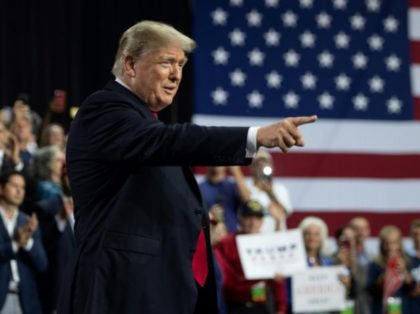
President Donald Trump argued on Saturday evening in Ohio that the country’s booming economy presents the nation with the perfect opportunity to straighten out its atrocious trade deals that Trump said were the worst ever made by any nation.
“China is by far the most important overseas market for the US-based Apple, leaving it exposed if Chinese people make it a target of anger and nationalist sentiment,” the state-owned newspaper says.

White House Press Secretary Sarah Sanders responded to news of China’s retaliatory tariffs, urging the country to instead address its unfair trading practices.
Seventy-one percent of business owners support additional tariffs on imports from China. Even tariffs on Canada win majority support.
“China is fully prepared and will have to retaliate to defend the nation’s dignity and the interests of the people,” China’s Ministry of Commerce said in a statement on Thursday.
Columnist and author David P. Goldman discussed the trade war with China with SiriusXM hosts Rebecca Mansour and Joel Pollak on Tuesday’s Breitbart News Tonight. Although he is a supporter of President Donald Trump and believes China presents “the most dire problem we face in the world,” he warned the administration may be underestimating China’s economic strength.
Talks with China have stalled after retaliation. Maybe pushing the tariffs even higher will bring China back to the table.
And tariffs will barely be felt by the American economy.
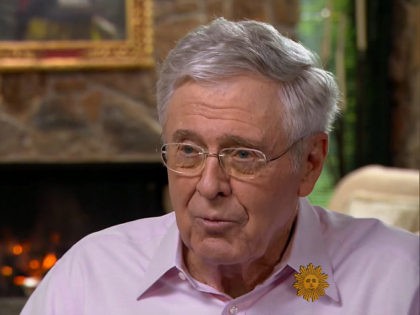
Billionaire plutocrat and GOP mega-donor Charles Koch says President Donald Trump’s tariffs on aluminum, steel, and thousands of Chinese-made imports are “ridiculous” and “unfair” to foreigners.
The scary price tag of $39 billion is not really so scary when put in context of the federal budget, the booming economy, and our history of bailouts.
The company said the Trump administration’s tariffs to increase raw material costs in the remainder of 2018 by about $100 million to $200 million. But it expects to offset much of those increased costs with price increases.