
Beware gearing up to push back against Russian aggression in Eastern Europe because it isn’t climate friendly is the warning in a new German report cautioning NATO.
NATO having a defence spending target for its members is bad for the environment and building more weapons to donate to Ukraine risks damaging the climate, a report by a group of think tanks and pressure groups warns. It is alleged that while the militaries of NATO produced 200 million tons of carbon dioxide in 2021, it will rise to a predicted 226 million tons in 2023, driven by rearmament and increased activity spurred by Russia’s invasion of Ukraine.
The paper claims that figure could rise to 300 million tons a year by the end of this decade. The findings of the yet-to-be-published report are revealed by Germany’s Spiegel news magazine, and claim if the carbon emissions as calculated by the paper all of NATO’s military activity were counted together, they would be the equivalent of a large country.
Pushing to re-arm to defend the West against Russian aggression is contrary “to Germany’s climate goals” and it is notable that all federal departments in Germany are facing cuts except defence, Angelika Claußen who contributed to the study said, reports Die Welt.
One of the contributing partners to the study is the Spanish Delàs Center for Peace Studies, which earlier this year published another similar document on “transnational corporations, warmongering and the climate emergency”, which found that “war and war preparation are fossil-fuel intensive activities”. The paper said it had discovered:
Military spending not only takes away resources that could be devoted to tackling climate change, investing in global justice and promoting peaceful conflict transformation and disarmament, but also heavily contributes to the climate crisis, due to the substantial [Greenhouse Gas] emissions from the military and arms industry and other environmental damage for which it is responsible.
The organisation said military operations are never the solution “to any problem”, and accused the West of preparing to use military force to gain access to fossil fuels to “safeguard its environmentally unsustainable way of life” in the future. “Ecofeminist” solutions and collective action were the answer to the future’s challenges, they said.
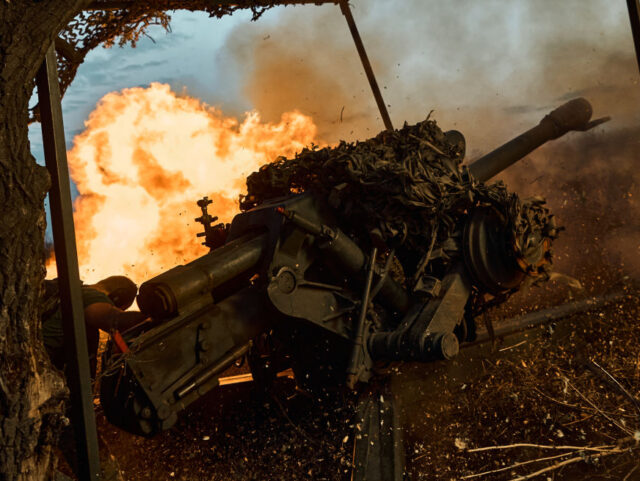
Russia relaunched its invasion of Ukraine in February 2022, triggering a huge response from the Western alliance amounting to several tens of billions of dollars of weapon systems and munitions. As Western stockpiles of certain weapons run dry, NATO and bodies like the European Union are looking to considerably increase their manufacturing capabilities, which in many cases have been run down since the end of the cold war.
In particularly high demand is the NATO-standard 155mm shell, used in enormous numbers by Ukrainian artillery against Russian positions. It is reported Ukraine fires as many as a quarter of a million of these a month, a major consideration given they have doubled or trebled in price since the war began as shortages bite. The United States is presently working towards plans later this decade to be able to produce 100,000 of them a month.
COMMENTS
Please let us know if you're having issues with commenting.