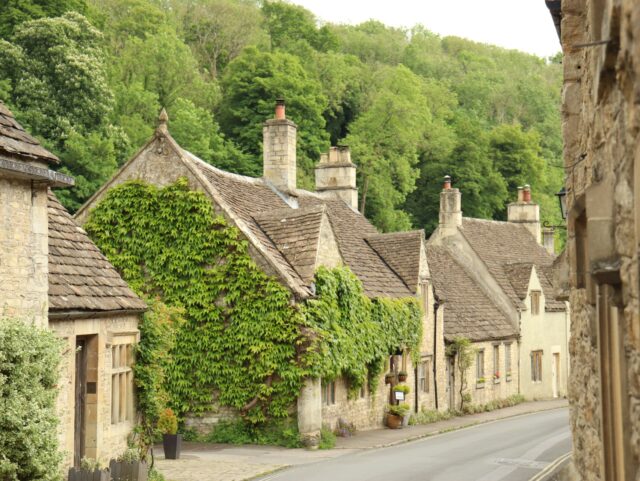
New countryside management plans are moving to make England’s most famed and picturesque rural areas more diverse lest they become “irrelevant” to the rapidly emerging new Britain, a report states.
National Landscapes, a group of government-designated areas of outstanding natural beauty are being targeted with diversity plans because they are perceived as being a “white environment”. According to a report by The Daily Telegraph, a proposal for diversification in one of these Landscapes, the Malvern Hills — the beauty of which is well known to have inspired the great compose Sir Edward Elgar — bluntly states that the area has to change because it suits white people who value solitude and contemplation.
Ethnic minority people, on the other hand tend to “prefer social company”, it was claimed. It states: “Many minority peoples have no connection to nature in the UK because their parents and their grandparents did not feel safe enough to take them or had other survival preoccupations.”
Although it is well understood that Britain’s Labour government is already engaged in an only barely disguised campaign of hostility against the countryside, the foundational work for the new Defra plans started long before the left-wing party came into power. The Telegraph reports the new plans lean on reports published from 2019 when the Conservative Party were in power — a party that once relied heavily on its traditional rural voter base — on making the countryside multicultural.
It is stated one of these said:
We are all paying for national landscapes through our taxes, and yet sometimes on our visits it has felt as if National Parks are an exclusive, mainly white, mainly middle‑class club.
… Many communities in modern Britain feel that these landscapes hold no relevance for them. The countryside is seen by both black, Asian and minority ethnic groups and white people as very much a ‘white’ environment. If that is true today, then the divide is only going to widen as society changes. Our countryside will end up being irrelevant to the country that actually exists.
Another found further fault with the countryside, and stated:
Participants from ‘visible’ minority groups talked about the countryside as being a space associated with English history… Protected landscapes were closely associated with ‘traditional’ pubs, which have limited food options and cater to people who have a drinking culture. Accordingly, Muslims from the Pakistani and Bangladeshi group said this contributed to a feeling of being unwelcome.
The United Kingdom has experienced extremely rapid demographic change in the past 40 years, with most population growth this century down to migrant arrivals alone. But the way those arrivals have been distributed has been very uneven, with an urban focus meaning some of the UK’s largest cities including London and Birmingham are no longer majority white British. Rural areas have not been impacted, however, with demographic data showing the vast majority of the country by land mass remaining 90-plus-per-cent white British.
As reported last year, demographers analysing official government data predict white Britons will be a minority in Britain by the 2060s.
COMMENTS
Please let us know if you're having issues with commenting.