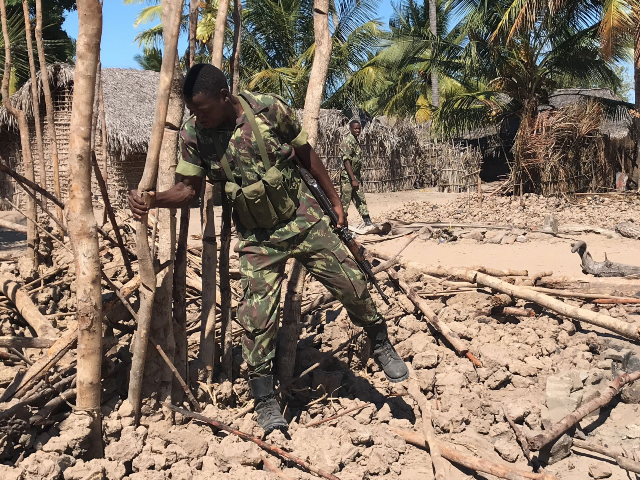

A wildlife camp owned by soccer coach Carlos Queiroz in northern Mozambique was attacked by insurgents on Thursday, prompting the evacuation of at least three Americans who were hunting in the area when the attack occurred.
Queiroz, 73, is an accomplished Portuguese coach who currently manages the national soccer team of Ghana. He is the co-owner of a hunting lodge called Mozambique Wildlife Adventures, located near the village of Marangira in Mozambique’s northern province of Niassa. Queiroz was born in Mozambique, which was a Portuguese colony at the time. He moved to Portugal after Mozambique declared independence in 1975.
The U.S. State Department currently has the Republic of Mozambique listed under a Level 2 travel advisory due to terrorist activity in the northern part of the country coupled with crime against tourists in most other regions.
Mozambique’s insurgency, which is linked to the Islamic State, has been fighting the government for control of the Cabo Delgado gas fields for over six years. The jihadis in Mozambique are known to be particularly brutal, posting triumphant photos to celebrate their destruction of entire villages and beheading of captives.
“Attackers may strike public areas and tourist destinations with little or no warning, sometimes taking hostages. Terrorists have targeted upscale lodges in remote areas where international big-game hunters stay. Security and police forces may be slow to respond,” the advisory said.
The travel advisory was upgraded to Level 4 “Do Not Travel” in several specific areas, including the Niassa Special Reserve, where terrorists have “targeted upscale hunting lodges” and “taken hostages.” The State Department recommended hiring private security for any visits to the reserve.
On Friday, the U.S. Consulate General in Johannesburg, South Africa issued a security alert for Mozambique concerning a September 3 attack on a hunting lodge in the Niassa Special Reserve.
“The Armed Forces of Mozambique are undertaking operations in the area. All U.S. citizens in South Africa should avoid traveling to the border area of Niassa and Cabo Delgado Provinces in Mozambique,” the alert said.
Queiroz told Reuters on Friday that his lodge was the target of the attack and the damage was severe, although he added that since the area had been declared off-limits by the Mozambican military he had few additional details to offer.
“From the images I have access to, it appears that the entire establishment has been burned down,” he said in a phone interview conducted from Lisbon.
Local media reports said ISIS-linked insurgents attacked the Niassa camp on Thursday morning and killed at least two people. The attackers then ravaged the camp and burned much of it to the ground while surviving staff and guests fled into the bush.
Later reports quoted security forces who said no bodies were recovered from the ruins of the camp as well as local residents who said the insurgents took at least three employees of the camp hostage. Unverified local reports said there were more fatalities during the terrorist attack, more survivors were taken prisoner, and the insurgents also looted supplies and vehicles from the facility.
The three American hunters who were in the area were located and evacuated by helicopter. They were reportedly the only foreign visitors at the camp when it was attacked.
Silva Livone, secretary of state for Niassa province, said on Monday that over 2,000 people have taken shelter under government protection after the attack. He said only one fatality was reported, and he did not mention any hostages.
“They left us with substantial material damage, relatively few human casualties, but we are still on the ground working,” he said.
“From the modus operandi, from the behavior they displayed, it literally led us to the conclusion that the terrorists came looking to reinforce their logistical base in terms of provisions,” he added.
The Mozambique Wildlife Adventures camp has been under development ever since the Mozambican government granted a tourist concession for the area in 2014. Its value to investors was estimated by a local environmental group at $3.5 million.
Livone asked the Mozambican Defense and Security Forces (FDS) to increase their operations in Niassa in the wake of the attack. He noted that in addition to vandalizing and pillaging the wildlife camp, the attackers also burned down a local health care center and police station.
A similar terrorist attack was carried out against a different luxury hunting camp in the Kambako area of Niassa in April 2025. The group of about 40 assailants burned and looted the camp, took several hostages, and beheaded two of their hostages when their ransom demands were not met.
COMMENTS
Please let us know if you're having issues with commenting.