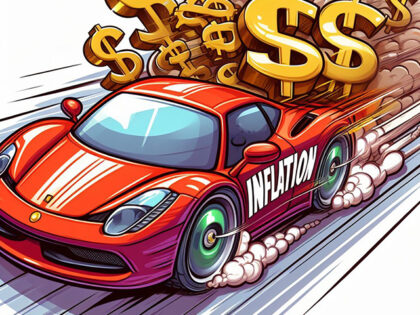
Breitbart Business Digest: All Eyes Turn to This Week’s Inflation Report
Last week’s inconclusive jobs data means that this week’s inflation data has the potential to be very consequential.

Last week’s inconclusive jobs data means that this week’s inflation data has the potential to be very consequential.
The February jobs numbers should be seen as an economic Rorschach test. What you see in the ink blots released by the Department of Labor largely depends on what you were already inclined to see.
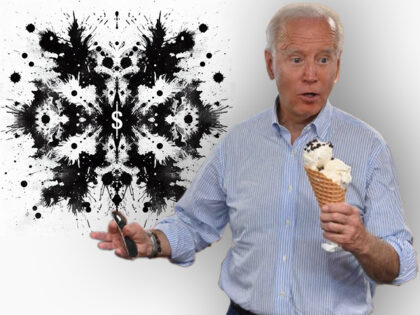
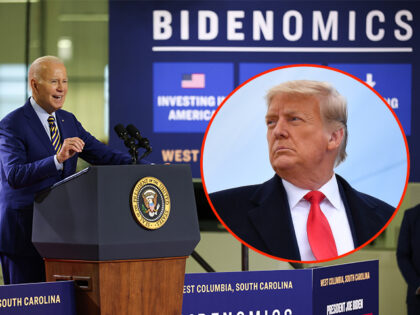
Perhaps the biggest challenge for Biden’s attempt to sell Americans on Bidenomics is not just that the inflation-inflicted wounds of the last few years are still fresh. It’s that they can remember that things were better when Trump was president.
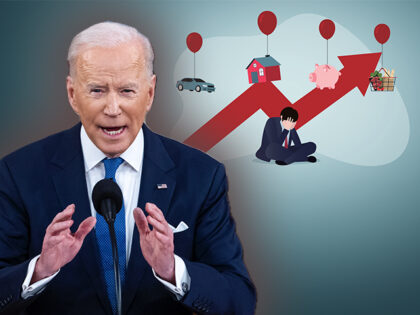
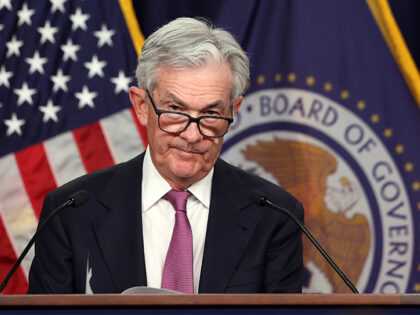
Fed Chair Jerome Powell pointedly declined to defend the establishment view that immigration is a boon for the economy and more immigration even better.

The American economy finds itself awash in the newfound bloom of economic springtime.

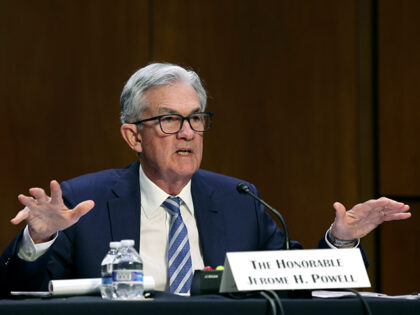
When Jerome Powell steps into the congressional coliseum to deliver his semi-annual testimony to the House and Senate, he is very likely to be met with an aggrieved chorus of Democratic lawmakers arguing that monetary loosening is long overdue.
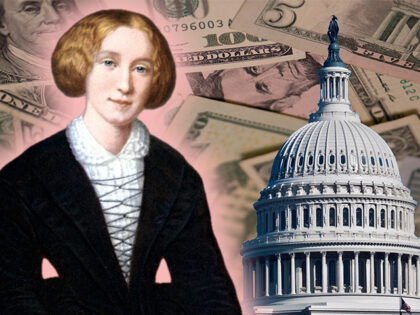
George Eliot’s short story “Brother Jacob” begins with a warning about the danger of the desire to be a provider of sweets. It’s a warning about inflation
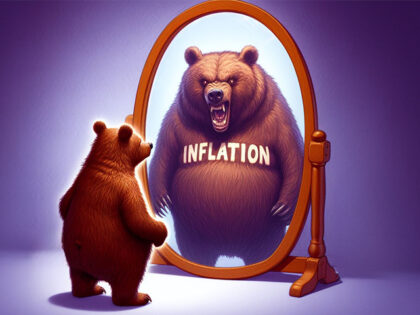
Inflation is rising, and the underlying indicators of price pressures suggest this is unlikely to reverse soon.
The economy did not grow quite as fast as previously thought in the third quarter, but the details should undermine any hopes that this might allow for earlier or deeper rate cuts from the Federal Reserve this year.
There is clearly a partisan component to consumer attitudes about current economic conditions.

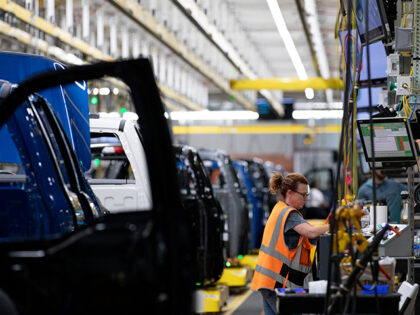
The manufacturing sector is hitting a note that’s been sorely missed in recent acts: the sound of recovery.
Fed Governor Christopher Waller argues that there is no reason to fear that we are sailing into a recession, which is the thing that usually prompts rate cuts from the Fed.

Nvidia has been described as the manufacturer of sieves, shovels, and pickaxes for the artificial intelligence gold rush. But what happens if the artificial intelligence boom goes bust?

The decision of the Fed to start cutting interest rates bears a strong resemblance to the decision to marry. It can be reversed but only with a great deal of awkwardness, some economic difficulty, and often a reputational cost.

The anticipated economic chill prompting rate cuts seems to be thawing before our very eyes.

The disinflationary forces that convinced so many that we were marching into a period of easing have receded. When Wall Street will recognize the pattern on the wall is still an open question.
We are in serious danger of entering a historically anomalous era of prolonged inflation.
The evidence is mounting, as solid and as undeniable as the ground beneath our feet. Inflation is here, it’s real, and it’s time to pay attention.
Inflation, having long since overstayed its welcome, announced on Tuesday that it was just getting comfortable.
The Federal Reserve justifiably received a lot of criticism for its tardy response to the surge of inflation. Now its critics accuse it of being too hesitant to lower interest rates.
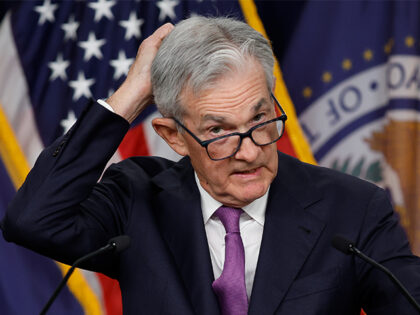
Monetary policy may be a dead end. Perhaps it’s time to start looking elsewhere for what is really driving inflation and growth.
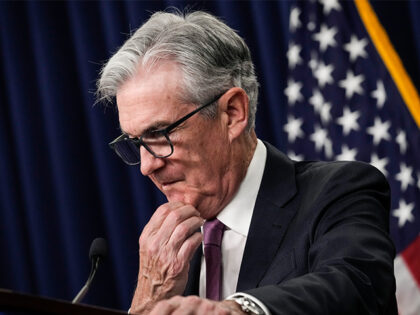
The economy appears to be able to operate at a high rate of growth with interest rates that would have been seen as highly restrictive in the pre-pandemic era.
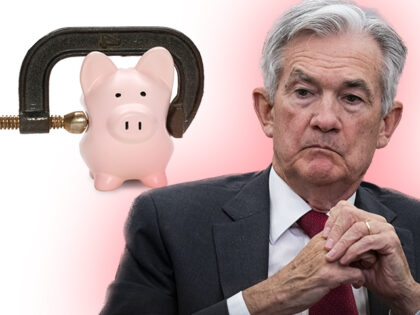
So, what does it sound like when doves cry?

The most underpriced risk in financial markets right now is a rate hike from the Federal Reserve.
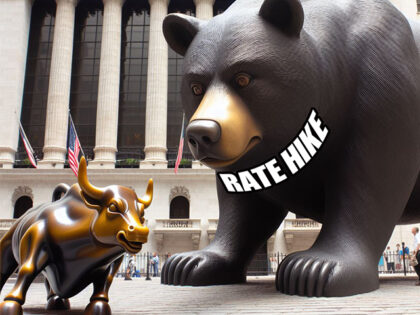
The Bond Market Is Like a Dog Walking on Two Legs We have it on the authority of James Boswell that in the summer of 1763 Samuel Johnson said that “a woman’s preaching is like a dog’s walking on his
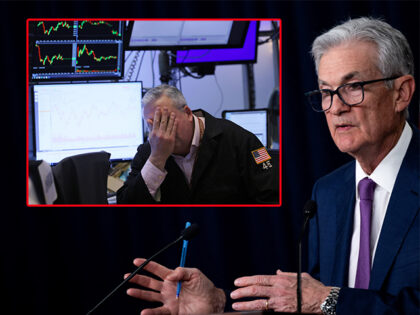
The much-better-than-expected jobs data for January demonstrates that the Federal Reserve was absolutely right this week to rule out a March rate cut. Even a May rate cut now looks unlikely.
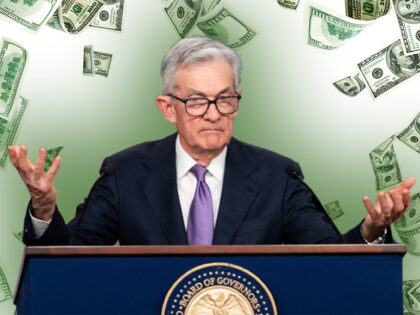
Jerome Powell’s No Cut Thunderbolt Groucho Marx famously said he would not join any club that would have him. What happens, however, when the club joins you? We have been arguing since early December that economic growth was too strong

The Fed Fights Back The Federal Reserve delivered a shock on Wednesday by announcing that it does not anticipate cutting rates until it gets more confident that inflation is moving toward two percent. “The Committee does not expect it will
The Shaky Edifice of Improved Consumer Confidence Americans are feeling better about the economy than they have in years. Or at least Democrats are. Consumer confidence—as measured by the Conference Board’s monthly survey—surged to a two-year high in January, the
Will the Fed defend the position it staked out in December or capitulate to the view of bond traders?
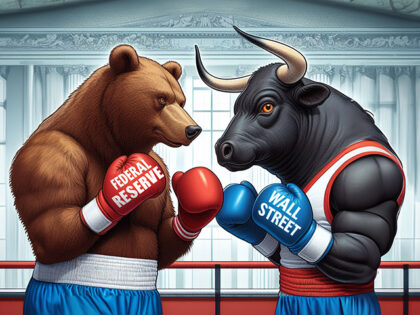
The Federal Reserve has a lot less influence over business activity than is commonly thought.
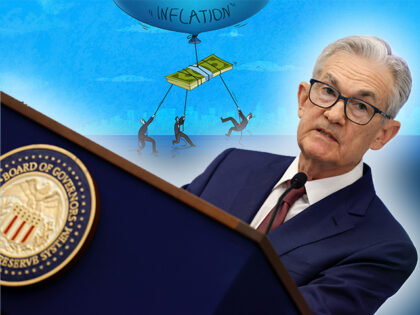
The Wall Street prognosticators got it all wrong.
The economy is signaling that it does not need a rate cut to keep growing. The question is whether the Federal Reserve is listening.
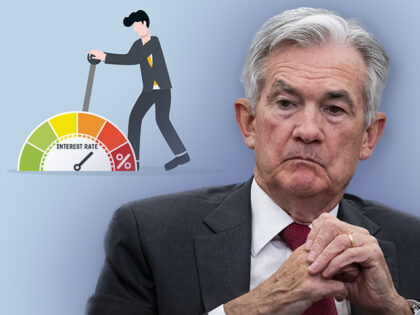
The Federal Reserve’s plans to cut interest rates this year have run into a powerful headwind: excessive government spending.
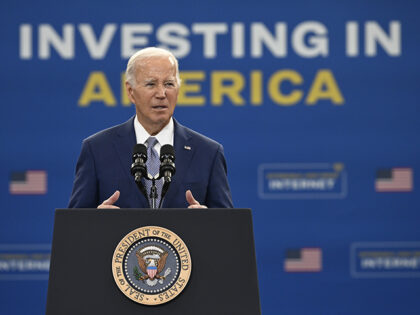
The market is slowly coming around to the view that the immediate threat to the economy is sticky or rising inflation and not a recession.
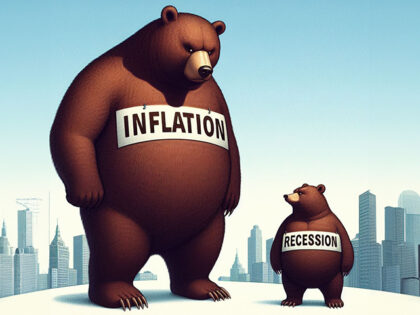
This week’s economic data very likely pushed the timing of a rate cut further out on the calendar.

The American consumer’s strength may be the force that wrestles the market out of the conviction that the Fed will cut interest rates this March.

The prospects of a soft landing for the economy is no reason for the Federal Reserve to rush into rate cuts.

The financial press once again ignored the details that indicate that the era of disinflation has come to a close and risks of higher inflation are increasing.
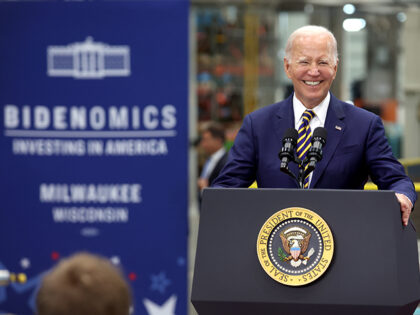
The case that the economy is headed for a “soft landing” received a sharp setback on Thursday with the release of data showing inflation accelerated at the end of last year.