Trump Touts Low Inflation a Year Removed from Biden: ‘We Have It Back on Track’
WASHINGTON–President Donald Trump touted low inflation on Friday while departing the White House en route to Fort Bragg with first lady Melania Trump.

WASHINGTON–President Donald Trump touted low inflation on Friday while departing the White House en route to Fort Bragg with first lady Melania Trump.
“Starting on day one, we will end inflation and make America affordable again, to bring down the prices of all goods,” President Trump said at an August 2024.
And he did it.
The December CPI data is clear: the tariff inflation crisis was an elite panic disconnected from economic reality.
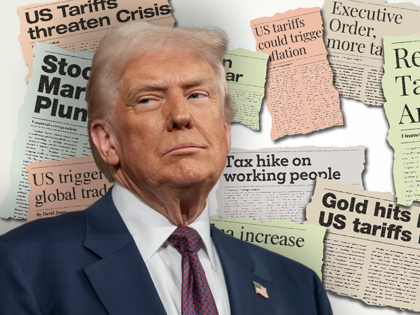
Inflation rose in August but there was no evidence of broad tariff pass-through to consumers.

June’s CPI data showed what tariffs can do and what they haven’t done. They’ve jiggled a few prices, but they haven’t unmoored the economy.

Tariffs aren’t squeezing consumers. They’re squeezing foreign suppliers and protecting the American wage base.

U.S consumer prices barely rose at all in May, the fourth straight month of mild inflation and a sign that the Trump administration’s tariffs have not raised prices on American households. The consumer price index, the government’s main inflation indicator,
Prices rose by 0.2 percent in April compared with March. Economists had forecast a 0.3 percent. Compared with a year ago, prices are up 2.3 percent, less than the 2.4 percent forecast.
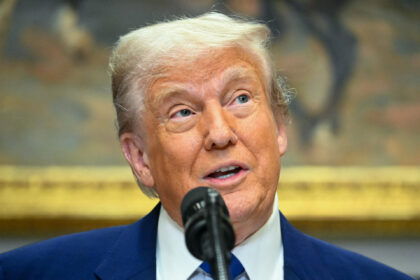
U.S. consumer prices climbed at a faster rate in December, capping off the inflation-plagued Biden administration’s final year and suggesting that the Federal Reserve’s efforts to bring down inflation may have run out of steam. The Consumer Price Index increased
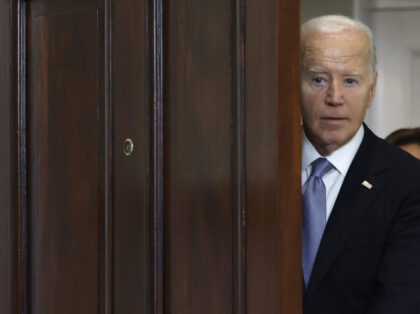
The nationwide rent average has shot up by 23 percent under the Biden-Harris administration, new Consumer Price Index (CPI) data from the U.S. Bureau of Labor Statistics shows.
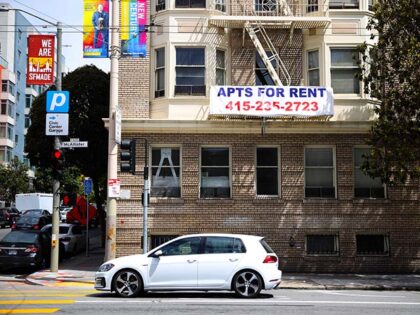
Americans are having a hard time finding the “joy” and “hope” Democrats have touted, as they struggle to pay their bills due to inflation.

Consumer prices have soared 20.2 percent since Vice President Kamala Harris and President Joe Biden took office 42 months ago.
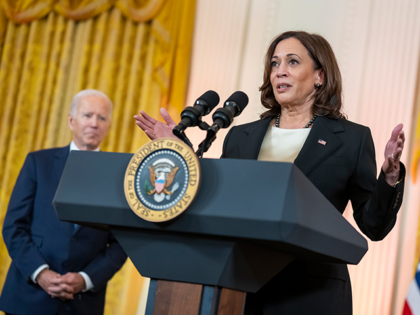
You have to go back to Jimmy Carter to find food prices rising this fast.
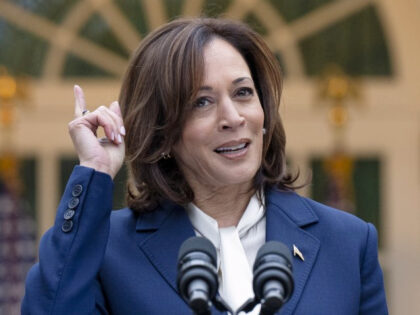
Inflation picked up in July, reversing the decline in prices seen in the prior month, but remained cool enough to lock in a rate cut from the Federal Reserve next month. The consumer price index climbed 2.9 in July from
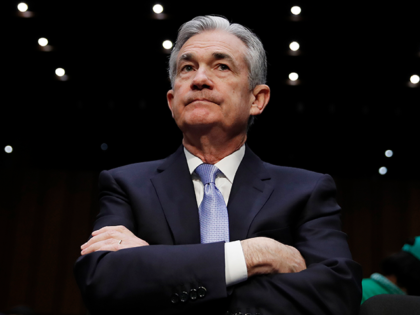
After the June decline, prices are up 18.8 percent since Biden took office. During the same three-and-a-half-year period of Donald Trump’s presidency, prices rose just 5.3 percent. Prior to the pandemic period, prices rose 6.2 percent under Donald Trump.
The prices of auto repair, auto insurance, and parking have surged since 2023, according to March Consumer Price Index (CPI) data.
Pet and veterinary service prices have spiked dramatically since 2023, according to March Consumer Price Index (CPI) data released Wednesday.

The costs of daycare and school have soared to nearly five percent since 2023, March Consumer Price Index (CPI) data shows.
The worse than expected inflation likely dashes hopes for a rate cut in June.
Inflation is re-igniting, and there is a danger of significant overheating. This should keep the Fed from cutting interest rates in June or July—and very likely for the rest of the year.
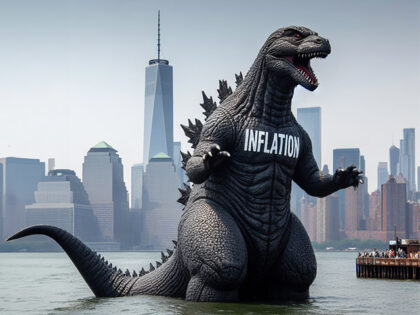
Last week’s inconclusive jobs data means that this week’s inflation data has the potential to be very consequential.

Inflation, having long since overstayed its welcome, announced on Tuesday that it was just getting comfortable.
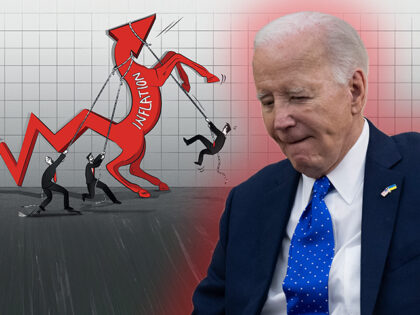
Monetary policy may be a dead end. Perhaps it’s time to start looking elsewhere for what is really driving inflation and growth.
Inflation picked up by more than expected in December as prices of energy, food, shelter, and services surged higher.
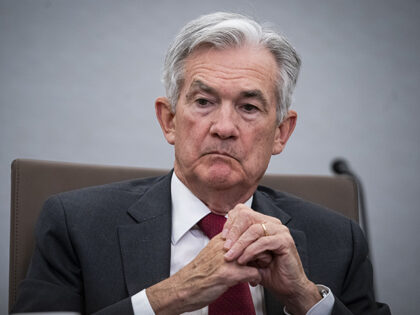
The consumer inflation report this week has the potential to upset the consensus view that the Federal Reserve will start cutting rates in the first quarter of this year.

The inflation report released Tuesday is unlikely to do much to support the idea that Bidenomics has been a boon for the American economy.
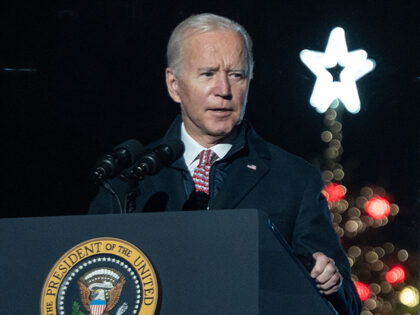
Inflation accelerated slightly in November, marking the thirty-second consecutive month with annual prices rising significantly faster than the two percent target seen as healthy by the Federal Reserve. The consumer-price index, the Labor Department’s broad measurement of what consumers pay
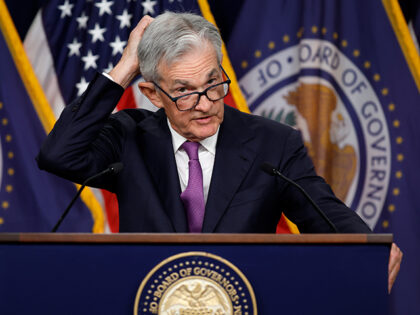
The Federal Reserve’s fight against inflation has faltered.
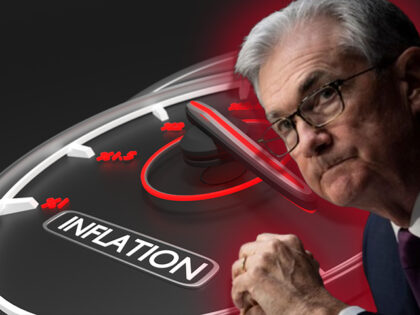
Economists had forecast a rise of 3.6 percent, down from 3.7 percent in August.
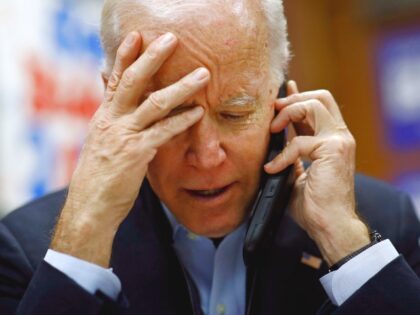
The risks of inflation persistence got harder to ignore with Wednesday’s release of the consumer price index for August, and rising energy prices played a big part.
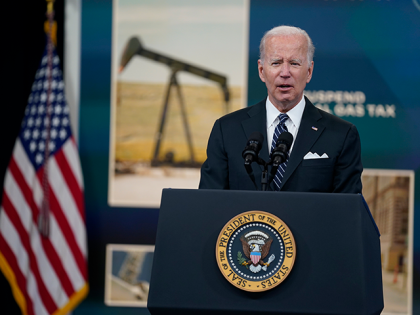
Prices rose rapidly as the summer wound toward its sweltering end in 2023, with monthly inflation rising at the worst pace in 13 months.
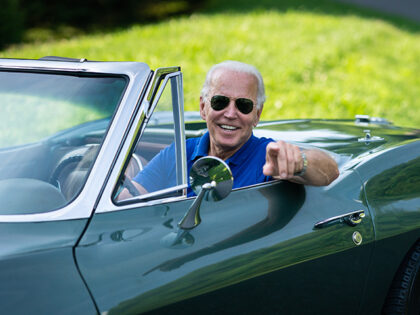
Inflation is proving sticky despite record Fed hikes.
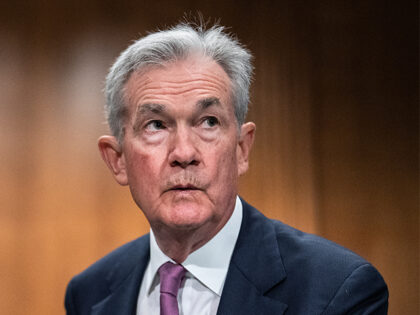
Inflation fell by more than expected in June.
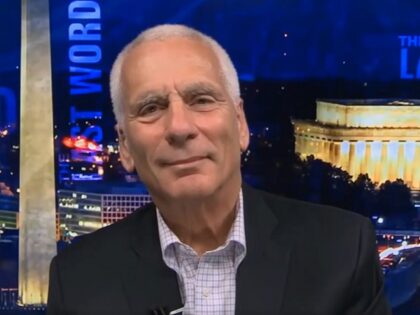
On Wednesday’s broadcast of MSNBC’s “Katy Tur Reports,” White House Council of Economic Advisers Chair Jared Bernstein stated that we have seen a trend of “CPI growing more slowly” and the growth in the Consumer Price Index (CPI) is less
The consumer price index, a key barometer of what consumers pay for goods and services, rose four percent last month from a year earlier, the Labor Department said Tuesday. Compared with March, the consumer price index (CPI) rose 0.1 percent. Core
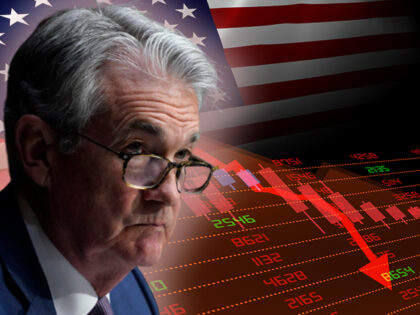
Inflation has eased from its worst levels last summer but progress has been slower than expected and prices are still rising too fast.
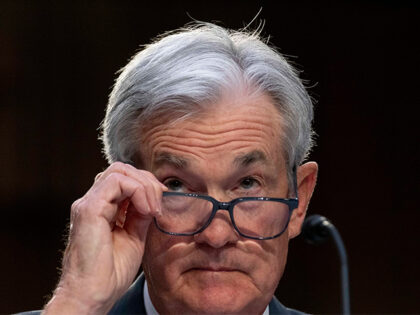
Headline inflation slowed on a month to month basis but core price increases picked up the pace.
As the U.S. inflation accelerates in January, despite the efforts to bring down the prices hikes with higher interest rates from the Federal Reserve, new data shows egg prices have increased 70 percent.
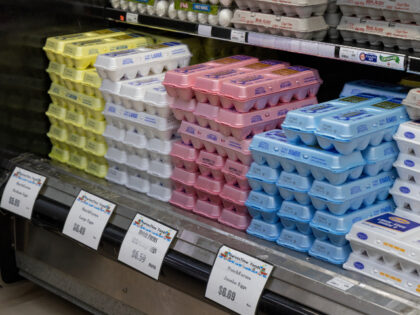
With the U.S. inflation accelerating in January, despite the efforts to bring down the prices hikes with higher interest rates from the Federal Reserve, many consumer categories are still being hit hard.

The consumer price index rose by half a percentage point in January.