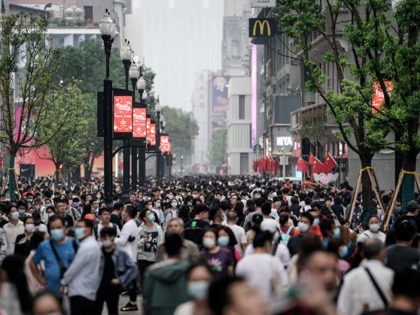
Breitbart Business Digest: The Economics of Saint Patrick’s Day
Saint Patrick’s Day is a $7.7 billion consumer event that is driven by consumption in the most literal sense: eating, drinking, dressing up, and going out.

Saint Patrick’s Day is a $7.7 billion consumer event that is driven by consumption in the most literal sense: eating, drinking, dressing up, and going out.
This week’s wrap is all about the long-awaited consumer price index report released Thursday, the one the legacy media immediately tried to bury because it wrecked their story about America caught in an affordability crisis.
This week, the government finally revealed the September jobs data, and we learned about the mysterious resignation of yet another Fed official.
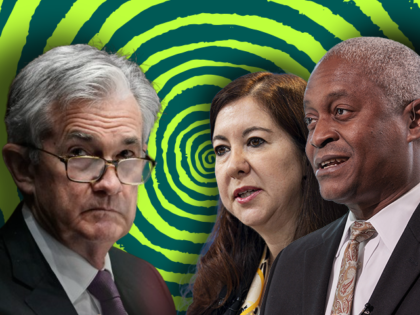
Core inflation slowed down in August, the Federal Reserve’s preferred gauge showed Friday, suggesting President Trump’s tariffs are not creating significant price pressures for American households.

The Federal Reserve’s Beige Book reveals the hidden mechanism dampening inflation pass-through from tariffs.

One reason economists continue to be surprised by incoming data is that American households are stubbornly refusing to behave the way models expect.
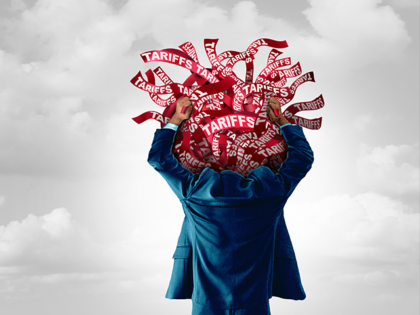
President Donald Trump’s economy is showing strong signs 6 months into his presidency, according to numerous key National Economic Council data points shared with Breitbart News.
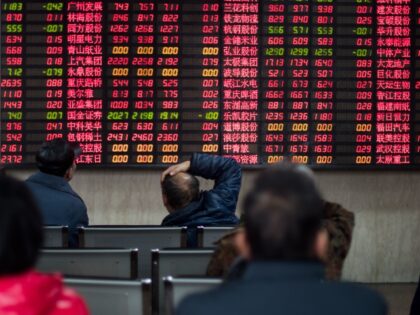
China’s problem with low consumer spending is getting worse as pay cuts and layoffs leave the Chinese working class with even less disposable income.
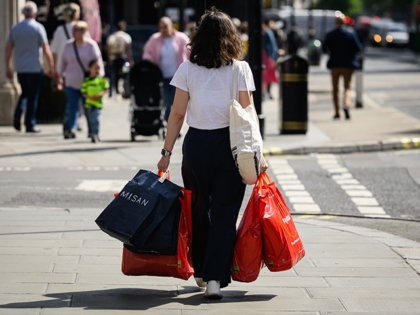
Retail sales fell in May, but beneath the surface, the picture of the American consumer remains solid—and in many categories, unexpectedly strong.

April’s CPI came and went with no sign of the Trump administration’s new tariffs pushing up inflation.
Yesterday’s Breitbart Business Digest explained that the front-running on tariffs came from businesses and not from consumers. Today we expand on the evidence and explain why this is bullish for the economy.
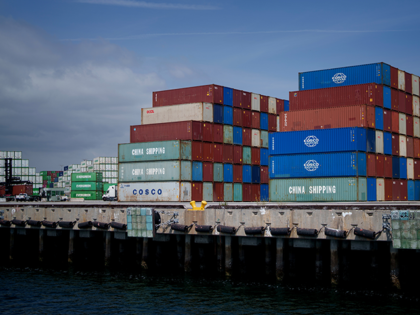
The supposed culprit of the import surge—consumer panic buying—simply isn’t real. Consumers are not front-running the tariffs, and that is good news.

The disappointing headline GDP number was enough to spark another round of recession hand-wringing across Wall Street and the financial press. But the details tell a different story.
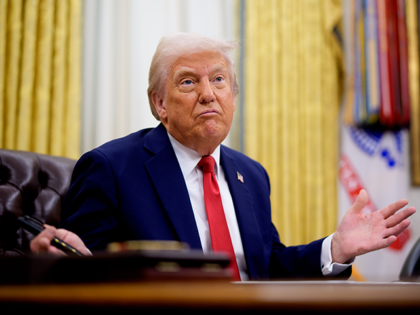
We’re seeing is a bizarre and persistent gap between what Americans are doing — spending more, earning more, feeling good about the country’s direction — and what consumer sentiment surveys claim they are feeling.

U.S. personal income and consumer spending both rose in February, suggesting that the economy remains resilient despite surveys showing gloomy consumer confidence.
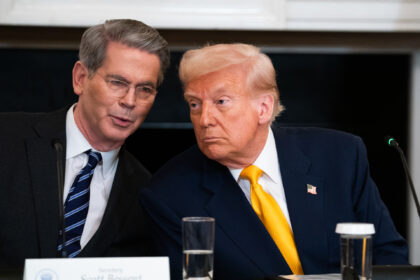
If someone were inventing a curse to fit our immediate economic era, they might put it this way: “May you live in an age of interesting revisions.”

Those looking at the Job Openings and Labor Turnover Survey (JOLT) and seeing it as a roadmap to a July rate cut have taken a wrong turn.

Inflation, high interest rates, and the exhaustion of excess household savings may finally be taking their toll on the economy. Consumer spending rose a modest 0.2 percent in April, the smallest increase in three months, data from the Department of

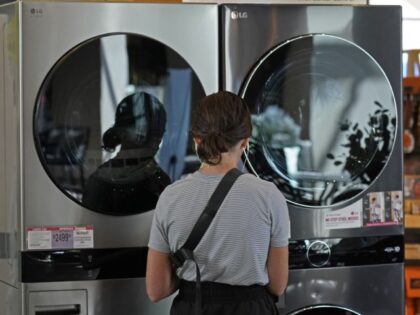
Between 2013 and 2023, Americans’ spending on home appliances jumped 53 percent. Adjusted for inflation, that’s an annual increase of $390 to $558. But the cost of appliances decreased by 12 percent during that same time.
Digital marketplace platform PublicSquare (PublicSq) CEO Michael Seifert told Breitbart News editor-in-chief Alex Marlow that boycotting the woke “is important, but it’s incomplete” unless consumers “shift their spending somewhere else.”

The majority of U.S. adults are living paycheck to paycheck heading into this holiday season, a report shows.

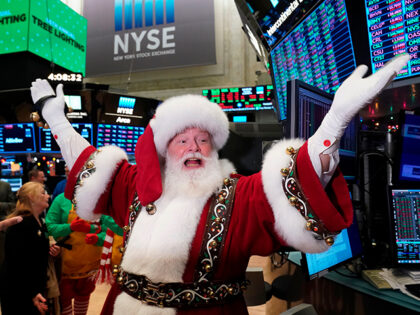
Santa Claus is not going on strike this year, but he may have a bit of an easier job hauling his sack from house to house.
The economic tide keeps rising even though the Fed has declared it is time for an ebb

Jerome Powell has frequently said that the Federal Reserve sees the stance of monetary policy as “restrictive.” The American consumer, however, begs to disagree.

The data this week that has inspired such confidence that we are heading for a soft-landing should likely be interpreted as signaling that monetary policy is not yet restrictive enough.
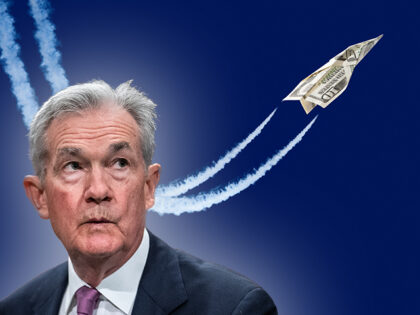
But inflation ran hotter.
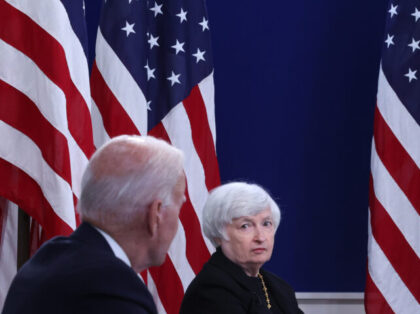
Holiday sales rose this year as American spending remained resilient during the critical shopping season despite surging prices on everything from food to rent, according to one measure.

Here we go again. The Commerce Department on Wednesday said that consumer spending grew by 1.3 percent compared with September, when spending was unchanged with the prior month. Compared with a year ago, retail sales were up 8.9 percent. Total

Spending and prices are rising faster than incomes.

Inflation-adjusted spending and income fell in May, raising concern that the post-pandemic economic recovery may have already run out of steam.
Sales were up but profits plunged and the company cut its guidance for the year as inflation and supply chain disruptions continue.
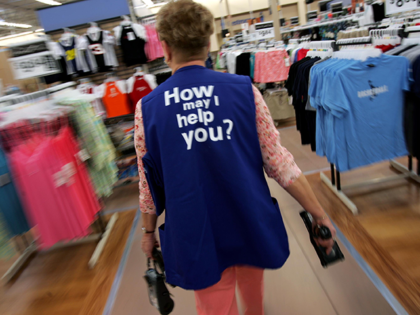
Prices are up but plans to spend on gifts actually declined slightly. That points to fewer gifts this year.
Consumer prices rose at their fastest annual pace since 1991.
Retail and food services sales were unchanged from the prior month, falling short of the one percent expansion forecast by economists. \

Excess household saving now totals around $2.3 trillion, calling into doubt the need for more government spending to support the economy
The U.S. economy boomed in the first three months of 2021, as states eased restrictions on businesses and vaccinations left consumers and businesses more confident.
Household spending and incomes were down by much more than expected in November, indicating a weakening economy.

Black Friday appears to be calm but not catastrophically slow across much of the United States.

Consumer spending and private sector wages rose even as income declined as government support ran dry.

The first week of October is referred to as the “Golden Week” in China, a week-long national holiday to commemorate the founding of the Communist government that normally produces a huge surge in tourist activity.