South Korea Sees End of MERS Threat After Outbreak Killed 36
SEOUL, South Korea (AP) — South Korea said Tuesday it is now virtually free of the deadly MERS virus that killed 36 people and sickened nearly 200 since an outbreak was declared in May.
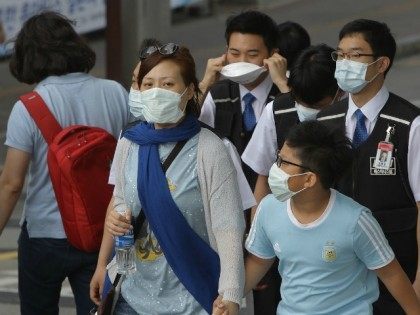
SEOUL, South Korea (AP) — South Korea said Tuesday it is now virtually free of the deadly MERS virus that killed 36 people and sickened nearly 200 since an outbreak was declared in May.
Pop star Ariana Grande may have laughed after licking unpurchased doughnuts at a local doughnut shop last weekend, but to public health experts, the incident is no joke.

The Liberian government announced on Monday that two separate tests had confirmed a 17-year-old boy had died of Ebola on June 28, the first Ebola death in that country in 49 days. The government has quarantined the town where the boy died and announced emergency measures to contain the disease.
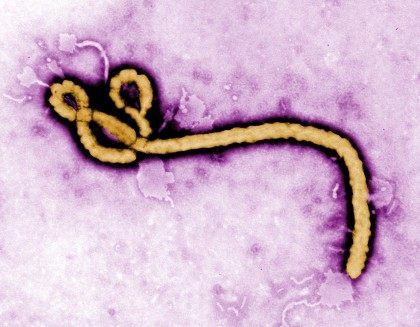
MONROVIA, Liberia (AP) — Liberia’s deputy health minister says the corpse of a 17-year-old man has tested positive for Ebola.
Healthcare workers in South Korea have begun experimental trials of a plasma treatment they think might help the fight against MERS. Health officials also announced a nineteenth death due to the disease.
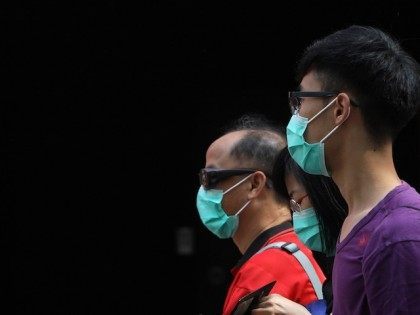
Medical workers in Guinea and Sierra Leone reported 31 new cases of Ebola in the pass week, a significant increase following two months of relative decline that had the United Nations close to declaring the outbreak over. Lax monitoring rules and potential smuggling of Ebola patients past medical officials may be to blame, journalists report.
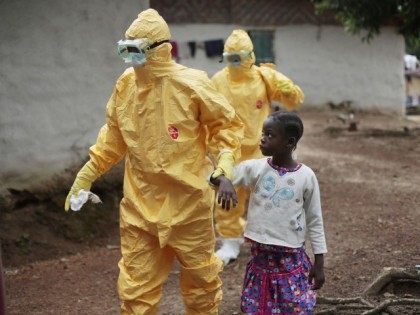
A new study on typhoid fever, an infection spread through unsanitary food and water, and prominent in parts of Asia and Africa, has found that an antibiotic-resistant clone has begun to spread in southern Africa, threatening to reach epidemic levels.
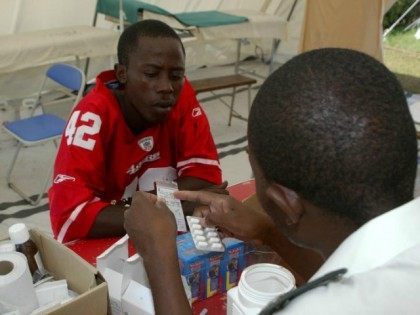
Using the fear triggered by recent deaths catalyzed by superbugs as a launching pad for spending another billion dollars, the Obama administration is going to announce the spending of over $1 billion over the next five years to combat the problem of antibiotic resistance.

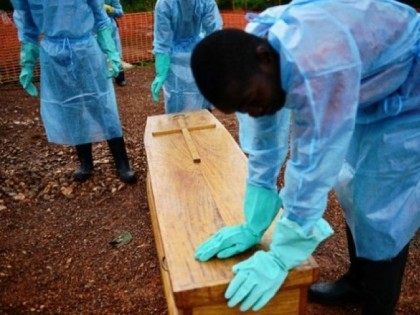
The World Health Organization (WHO) reports that, after a brief period of decreased cases, health officials are witnessing an increase in the number of Ebola cases in Guinea, Liberia, and Sierra Leone as people resume traditional–and dangerous–burial rituals.
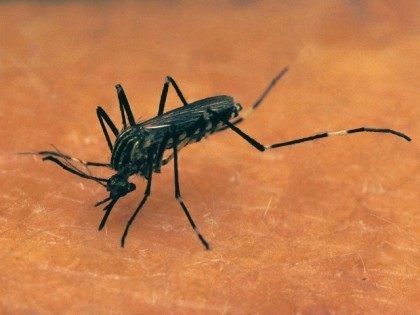
Chikungunya, a virus hailing from Africa and spreading rapidly in the Caribbean and South America earlier this year, may have just become an even bigger problem for Brazil, just as that nation’s summer is set to begin.
Back in 2005, two business-school professors, Max H. Bazerman and Michael D. Watkins, published a thoughtful book, Predictable Surprises: The Disasters You Should Have Seen Coming, and How to Prevent Them. A decade later, we can look ahead to the Predictable Surprises of 2015—and beyond.