Pressure on ‘Too Late’ Powell: Another Fed Official Signals Support for July Cut
Bowman’s comments come just days after Fed Governor Christopher Waller also said he could support a July cut. T
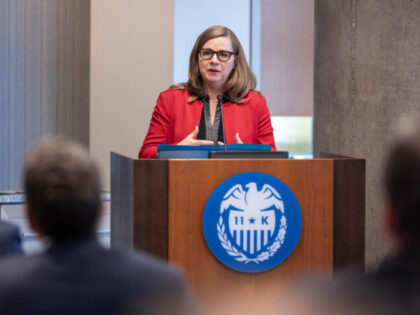
Bowman’s comments come just days after Fed Governor Christopher Waller also said he could support a July cut. T
Federal Reserve Governor Christopher Waller said Friday that the central bank could begin lowering interest rates as soon as next month, arguing that inflation has cooled and that policymakers should not wait for the labor market to weaken before acting.
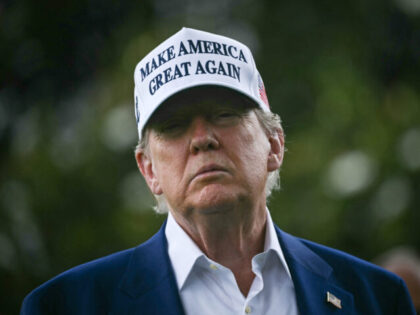
“TOO LATE’s an American Disgrace!” Trump wrote.
The Federal Reserve announced definitively on Wednesday that President Trump’s tariff policies are forcing a more aggressive stance on inflation.
Real wages are rising. Prices are not. The economy is healing—not in theory or through tortured revisions, but in real-time and at the household level.
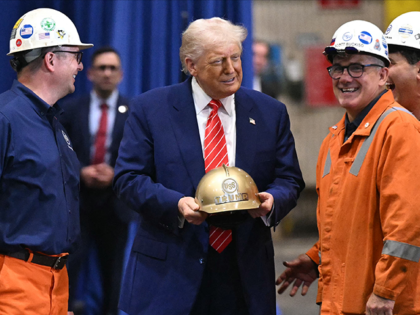
Trump is keeping up the pressure on the Fed to cut rates.
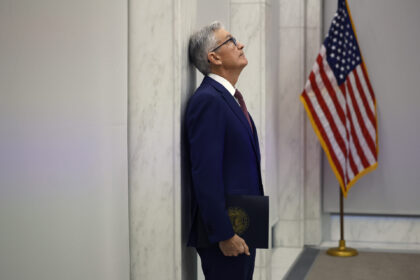
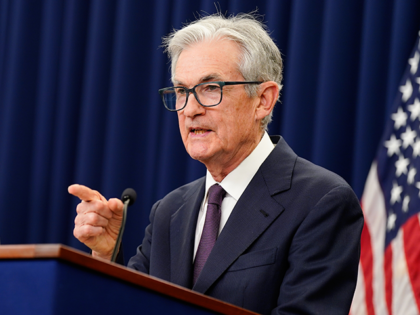
President Donald Trump once again took aim at Federal Reserve chairman Jerome Powell on Thursday, apparently unhappy with the central bank’s decision Wednesday to hold its interest rate benchmark steady.
The Fed is stuck between crosscurrents: too strong to ease, too shaky to hike. The best they can do is what they’ve been doing—waiting for the fog to lift.
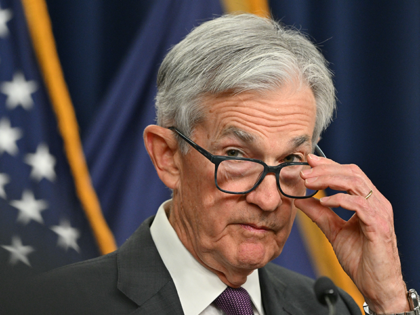
President Donald Trump has no plans to fire Federal Reserve Chairman Jerome Powell, whom he called a “major loser” in a Truth Social post on Monday.
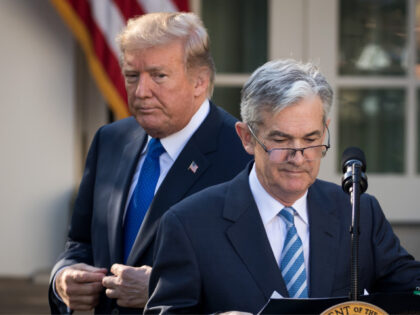
President Donald Trump on Friday called for Federal Reserve Chairman Jerome Powell to lower interest rates, contending it is the “perfect time” to do so.
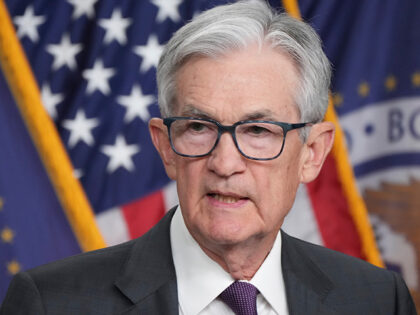
The Federal Reserve’s latest projections show that tariffs are not the primary driver of higher inflation forecasts.
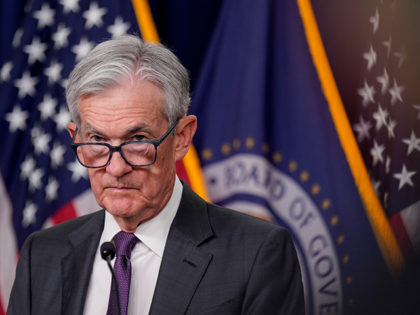
President Donald Trump is demanding the Federal Reserve cut interest rates, escalating a high-stakes clash between the White House and the central bank as his administration prepares to unleash a new wave of tariffs.
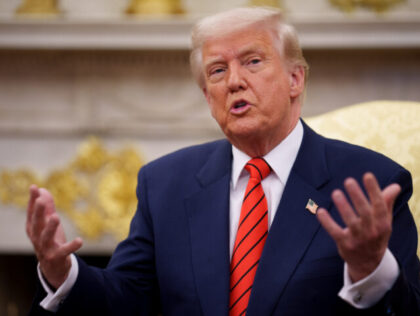
The Federal Reserve left its benchmark interest rate unchanged on Wednesday, holding steady at 4.25 percent to 4.5 percent for a second consecutive meeting.
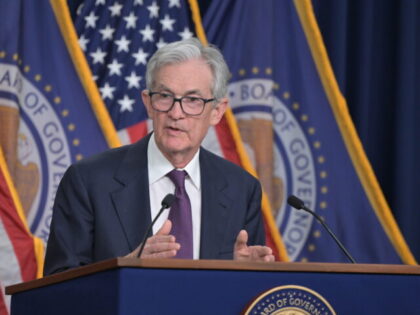
Existing-home sales stumbled in January, falling 4.9 percent from December to an annualized pace of 4.08 million, a sharper drop than the 2.6 percent decline economists had expected. The start of 2025 continues a prolonged period of weakness in home

Heads exploded across the establishment financial press on Wednesday when President Donald Trump proclaimed that tariffs and lower rates go hand in hand.
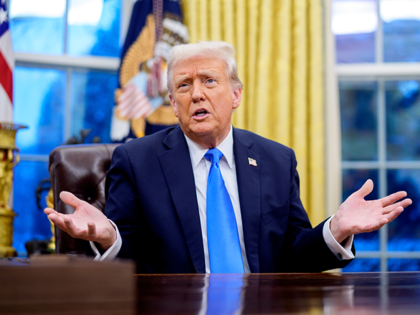
We got some powerful support this week for our argument that President Trump is not demanding that the Federal Reserve cut interest rates.
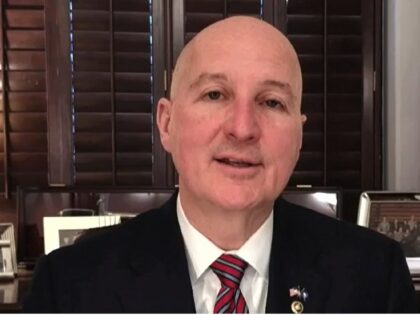
On Wednesday’s broadcast of NewsNation’s “The Hill,” Sen. Pete Ricketts (R-NE) stated that the proposal to cap credit card interest rates at 10% from Sens. Josh Hawley (R-MO) and Bernie Sanders (I-VT), which is an idea President Donald Trump has
Jerome Powell did a fine job at his press conference Wednesday of staying out of the way of politics despite being peppered with questions from reporters practically begging him to weigh in against President Donald Trump’s policies.
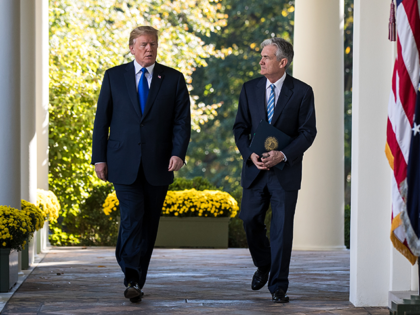
A resilient labor market, the improving outlook among small businesses, and persistent inflation pressures are signals that the Fed’s September and October rate cuts may have been premature.
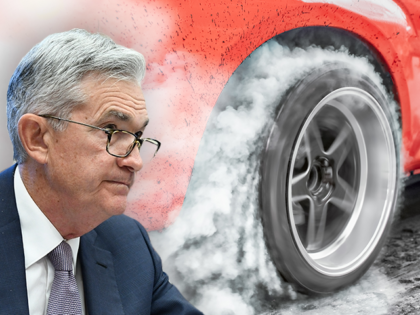
The Federal Reserve’s rate-cutting cycle has very likely come to an end—although it may take Fed officials several months to figure this out.
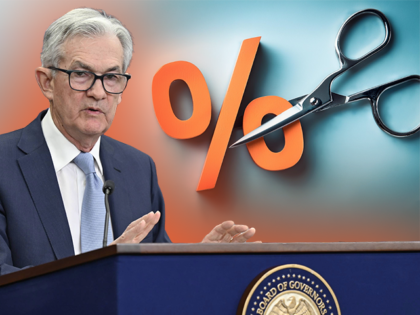
Federal Reserve officials this week came as close as they are probably ever going to get to admitting that the aggressive interest rate reduction they enacted weeks before the 2024 election was a mistake.
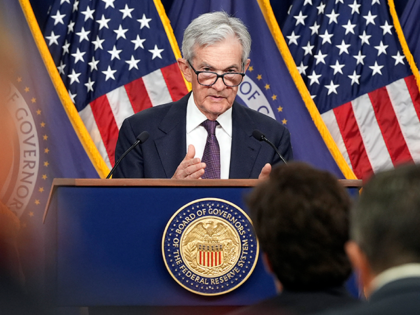
Federal Reserve officials appear poised to repeat the mistake of September and November by cutting interest rates again when the economic data clearly calls for a pause.

On Friday’s broadcast of Bloomberg’s “Balance of Power,” White House Council of Economic Advisers Chair Jared Bernstein stated that bond market interest rates and mortgage rates have increased and that’s partially due to “the stronger economy” under President Joe Biden,
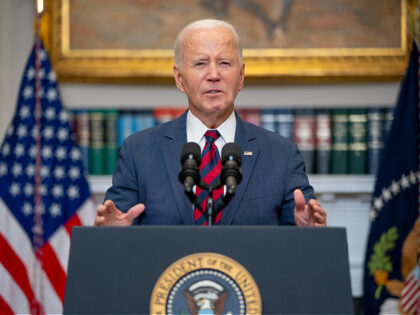
The latest economic data suggests that the Federal Reserve should halt any further rate cuts.
After the Fed’s surprise 50-basis-point cut in September, the burning question now is whether the central bank overplayed its hand.
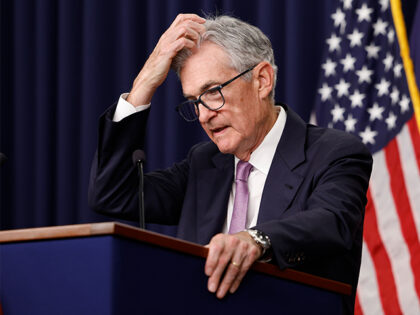
The Federal Reserve’s 50-basis-point rate cut in September wasn’t just premature—it was driven by political pressures.

During an interview with CNBC on Thursday, Treasury Secretary Janet Yellen responded to a question on if she thinks the Federal Reserve has rates that are too high by stating that the Fed’s members expect rates to be cut and
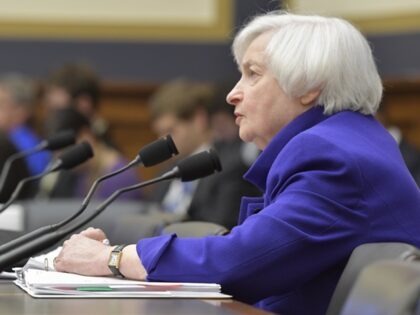
Fed officials now think it will take a higher rate to sustainably achieve two percent inflation.
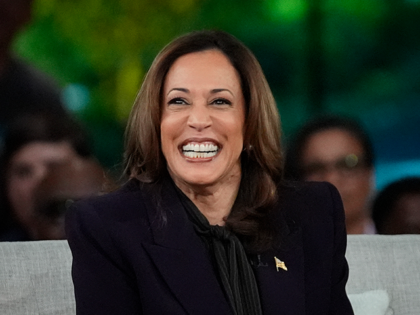
We have discovered something that the supporters of Kamala Harris and Donald Trump agree on: the Federal Reserve’s half-point interest rate cut this week was a political gift to Harris.
The Federal Reserve’s decision on Wednesday to begin lowering interest rates raises the question of how fast rates should be expected to decline.
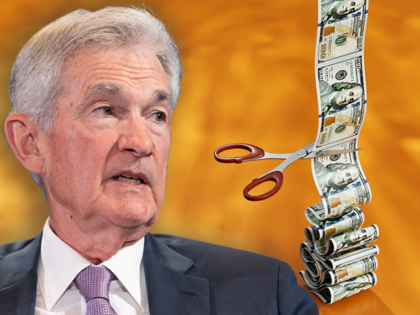
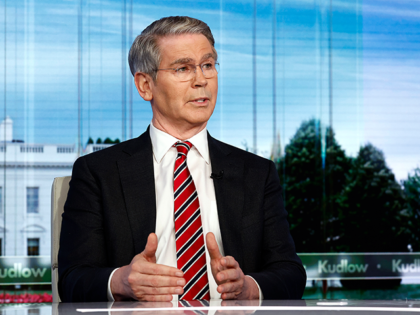
On Wednesday’s broadcast of the Fox Business Network’s “Kudlow,” Breitbart News economics editor John Carney stated that the Federal Reserve should have waited until after the election to make rate cuts and that by announcing a cut of 50 basis points
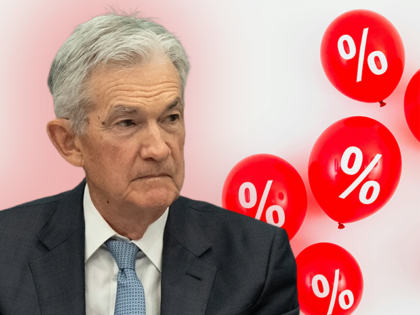
As the Fed prepares to cut rates again, it’s worth remembering that rate cuts are never free, even when they seem like an easy fix. For the market, it’s always fun while it lasts, but the reckoning is rarely far behind.
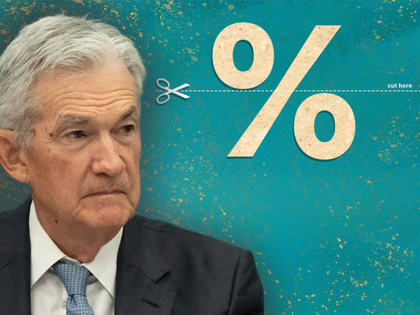
If the Biden-Harris administration’s policies are not hurting the economy, why are prominent Democrats urging the Federal Reserve to announce a super-sized interest rate cut?
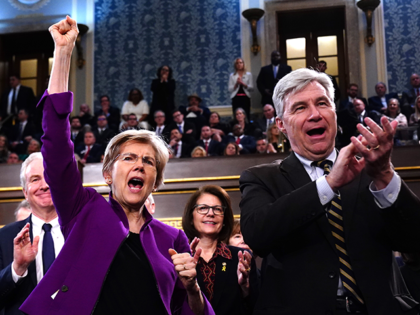
Another landmark for the Biden-Harris administration.
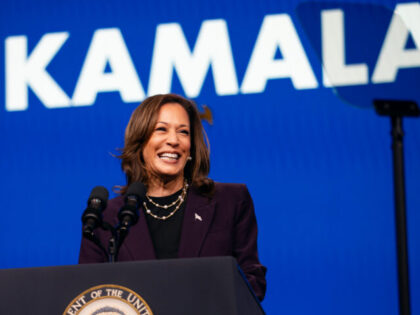
Home prices, and therefore the American Dream, are the most “unaffordable … in history,” according to the latest data.
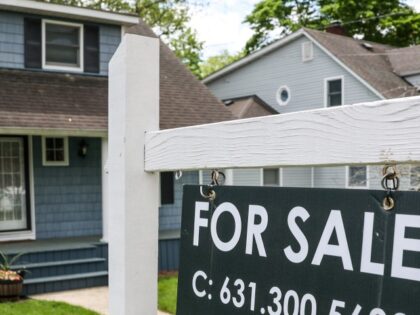
The federal funds futures market is pricing in a cut in each of the remaining three meetings of the Federal Open Market Committee this year.
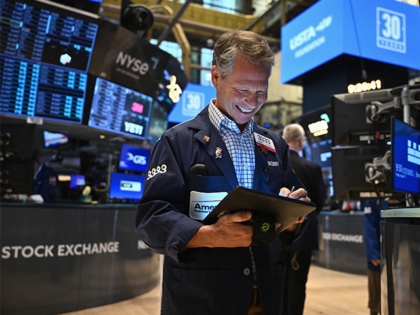
Cutting rates too quickly could lead to a resurgence of inflation, forcing the Fed into a tighter monetary policy stance down the road.

Kamala Harris has come up with economic ideas so awful even the pro-Kamala media are ripping them as “gimmicks” and “not sensible.”
Thanks to brutal inflation and equally brutal interest rates, 59 percent of Americans believe this country is in a recession.

The economists are probably right and the market is probably wrong when it comes to forecasting the Fed’s interest rate policy over the remainder of this year.