Final Push for Iran Deal as Netanyahu Blasts Western ‘Collapse’
Israeli Prime Minister Benjamin Netanyahu warned that Western powers had “collapsed” to nearly every single Iranian demand so far in the nuclear talks.
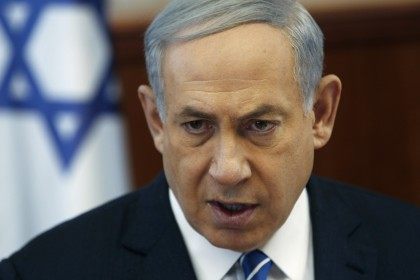
Israeli Prime Minister Benjamin Netanyahu warned that Western powers had “collapsed” to nearly every single Iranian demand so far in the nuclear talks.
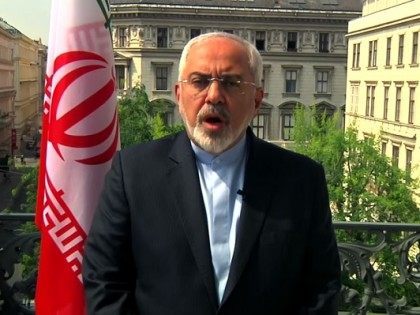
In a video message posted to YouTube on Friday, Iranian Foreign Minister Javad Zarif expressed optimism that the United States and Iran would reach a deal on the rogue nation’s nuclear program, as talks have been extended until July 7.
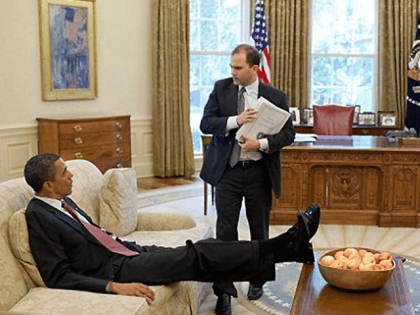
Deputy national security adviser Ben Rhodes–who lacks any prior qualifications for the post–has explained to the Atlantic’s Jeffrey Goldberg at the Aspen Ideas Festival on Monday that the administration believes that a bad Iran deal is worth doing because political reform inside the Iranian regime is more likely with the deal than without. Or, to use Rhodes’s own words: “We believe that the kiss of the nuke deal will turn the Iranian frog into a handsome prince.”
Although a June 30 deadline was agreed upon by all parties as part of the P5+1 nuclear talks with the Iranian regime, officials announced Tuesday that July 7 is now the official deadline for a final agreement.
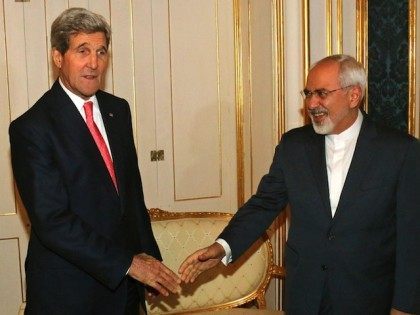
Several former advisers to President Barack Obama have rejected the likely terms of a nuclear deal with Iran, adding their names to an open letter that declares: “The agreement will not prevent Iran from having a nuclear weapons capability.”
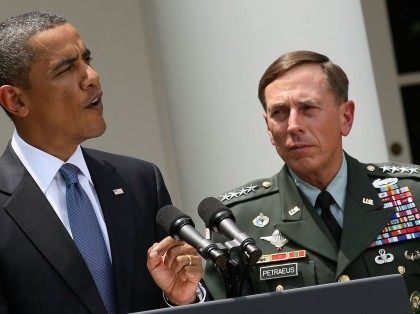
The Obama administration has caved on demands that Iran disclose the details of its past nuclear work, without which verification of its compliance with a future deal is impossible.
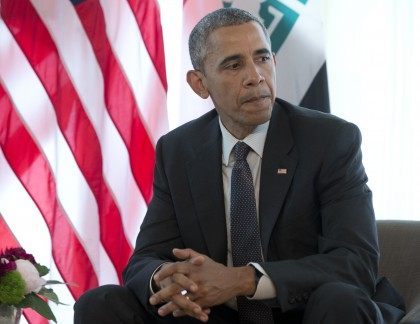
The debate over providing “fast track” authority for President Barack Obama to negotiate the Trans-Pacific Partnership (TPP) and other trade deals has touched on constitutional, economic, and political arguments. Yet the most important question is whether Obama should be allowed to negotiate anything at all after a dismal track record. When Obama is negotiating with anyone other than congressional Republicans, who fold easily, he makes one bad deal after another.
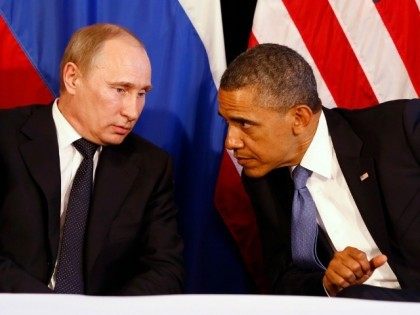
A new United Nations report suggests that the Obama administration and other western governments may be covering up Iran’s violations of international sanctions of ahead of the upcoming June 30 deadline for a final nuclear deal to be agreed.
Pistachios are undoubtedly one of America’s favorite nuts, and a staple export for the Golden State. However, the pending nuclear deal with Iran has created growing concern within the industry that the crop’s otherwise relentless expansion and success in the marketplace could be stifled, should the United Nations end trade sanctions against Iran.

President Barack Obama’s foreign policy in the Middle East is a failure, but he is responsible for at least one accidental success: bringing Israel and Saudi Arabia, once implacable foes, together in opposition to his agenda. On Thursday, Israel’s Dore Gold, the incoming director of the Ministry of Foreign Affairs, appeared in Washington, DC at the Council on Foreign Relations alongisde Anwar Majed Eshki, a former adviser to the Saudi ambassador to the U.S., and revealed secret Israeli-Saudi talks on Iran.

State Department spokesperson Marie Harf and White House Deputy National Security Adviser Ben Rhodes have launched an unprecedented effort to discredit, discount and deny the Times story that reports that “Tehran’s stockpile of nuclear fuel increased about 20 percent over the last 18 months of negotiations.”
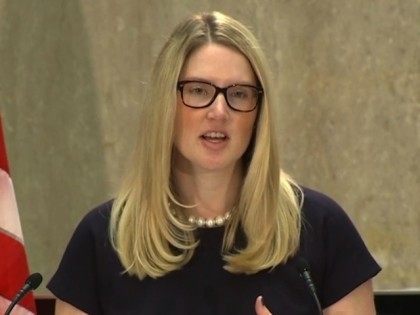
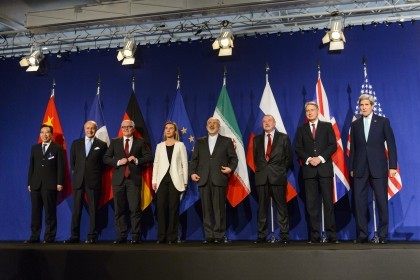
With one month left for talks, news has emerged that the P5+1–six powers negotiating with Iran (Russia, China, France, Britain, Germany and the U.S.)–have reached a deal on “snap-back” Iran sanctions–i.e. sanctions that would be removed as part of a nuclear deal but which would automatically be restored if Iran broke the agreement, due June 30. Reuters suggested that all that remained was for Iran to agree, and a major obstacle would be gone. Yet the snap-back “deal” has three fatal flaws.
President Barack Obama has defended the impending nuclear deal with Iran by promising Americans that there will be automatic “snap-back” provisions to restore sanctions automatically if Iran cheats on its obligations: “If Iran violates the deal, sanctions can be snapped back into place,” he said in April. On Wednesday, Russian UN Ambassador Vitaly Churkin told Bloomberg News that there would be no such provisions: “There can be no automaticity, none whatsoever,” he said.
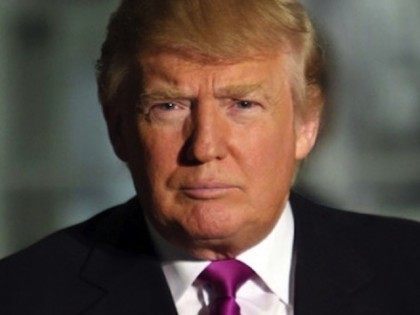
GREENVILLE, South Carolina — Donald Trump, real estate mogul and possible GOP presidential candidate, criticized President Obama’s ability to negotiate a deal with Iran, highlighting Obama’s previous failed terrorist negotiation where Obama traded five terrorists for Bowe Bergdahl.
On the most basic level, Israel seems to have the formula of statecraft right, prioritizing national security and economic growth above all else.

JERUSALEM, Israel — Israeli Minister of Defense Moshe “Bogie” Ya’alon told legal scholars at a conference on the laws of war that terrorists who failed to destroy Israel were resorting to new methods, which included “using our law against us.”

TEL AVIV, Israel — Secretary of State John Kerry appeared on Israeli television over the weekend, telling seven-million-plus Israelis that critics of the emerging Iran deal were guilty of “hysteria.” Israel, which sits a short missile flight away from potentially nuclear-armed Iranian warheads, and which has seen Iranian soldiers along its borders with Syria and Lebanon, has loudly protested the negotiations that the Obama administration has pursued with the Iranian regime.
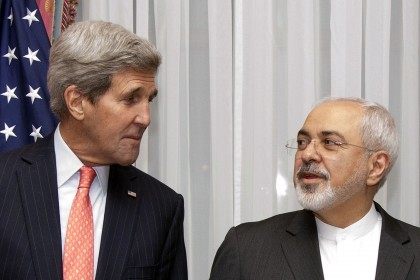
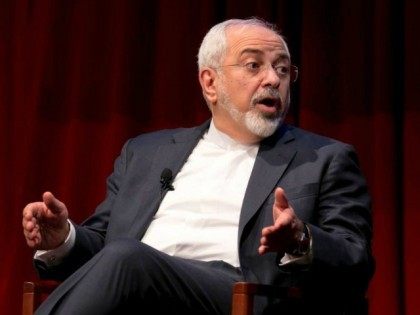
Introduced by a New York University (NYU) statement as H.E. (His Excellency), Iranian Foreign Minister Javad Zarif spoke to a Manhattan crowd Wednesday about U.S.-Iran relations, the ongoing nuclear talks with world powers, his disdain for Sen. Tom Cotton, Israeli Prime Minister Benjamin Netanyahu, and other issues of the day.
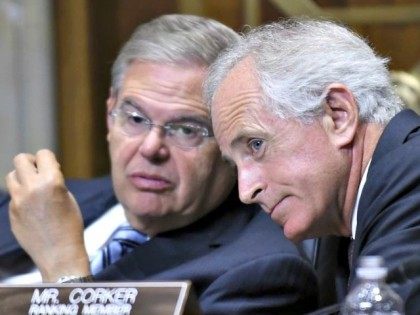
Senate Foreign Relations Committee Chairman Bob Corker (R-TN) opened debate up to the full Senate Thursday on the Iran Nuclear Agreement Review Act of 2015 that passed the Senate Foreign Relations Committee unanimously.
In the run-up to the Iraq War in 2003, New York Times columnist began to reconsider his support for the military option, as he became convinced that the Bush administration was going to mishandle the war and its aftermath. Fast-forward 12 years, and Friedman is making similar moves ahead of the final talks on a nuclear deal with Iran. In his Apr. 23 column, Friedman says that while a nuclear deal is desirable, the structure and context of the deal means “it will not be easy.”

SANTA ANA, California — An indictment hearing was held at the Ronald Reagan Federal Building and U.S. Courthouse in Santa Ana on Monday for Khosrow Afghahi, one of the five men who have been accused by the U.S. of “allegedly circumventing U.S. sanctions and illegally exporting controlled microelectronics to Iran.” The highly-sensitive technology is used for military-grade systems like surface-to-air and cruise missiles.
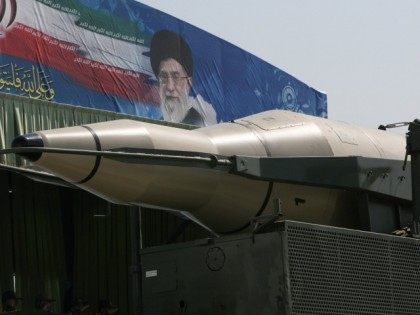
Eli Lake at Bloomberg View reports that President Obama’s administration has confirmed that Iran is “two to three months” away from developing a nuclear weapon, contradicting the White House’s rebuttal of Israeli Prime Minister Benjamin Netanyahu’s assertion that Iran is months away from the breakout.
As the U.S.S. Theodore Roosevelt heads to Yemen to confront a convoy of Iranian ships, including destroyers, it is worth asking why President Barack Obama is still talking to the Iranian regime about its nuclear program. The Iranians, who used the Houthi militia to knock over the American-aligned Yemeni government, clearly has no fear that Obama will suspend negotiations. If anything, Iranian tactics are winning more concessions.

Carly Fiorina, speaking with FOX News Radio’s Jared Halpern, said she is getting closer than 90 percent to running for president. “We’re getting closer – I’ll make a final decision and a formal announcement probably in the next several weeks,” said Fiorina.

Continuing its tradition of providing a propaganda platform for America’s enemies, the New York Times has published an op-ed by Iranian foreign minister Javad Zarif in which he demands that the United States choose “between cooperation and confrontation, between negotiations and grandstanding, and between agreement and coercion.” Enjoying the freedom of expression his government denies to its opponents, Zarif argues that the West should work with it toward regional peace.
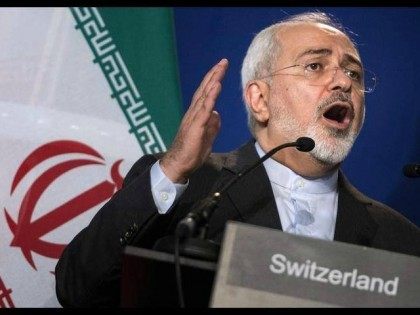
Three new dangers have emerged in the last few days alone that should scuttle any nuclear deal with the Iranian regime. If President Barack Obama were truly concerned about American security, he would have ended negotiations, told Congress to pass new sanctions, and prepared the armed forces for military action as a last resort. Instead, out of narcissism and a fear of war at all costs, he is pursuing a peace at any price–one that guarantees war in the future on unfavorable terms.
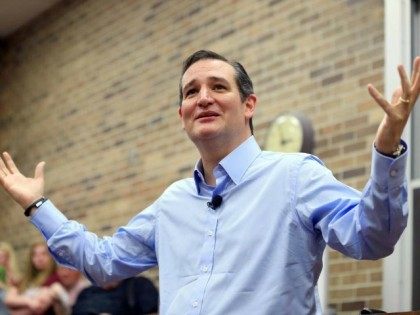
Texas Republican Sen. Ted Cruz ripped into the Obama administration and Democratic presidential candidate Hillary Clinton on Saturday, drawing applause for his red-meat remarks.
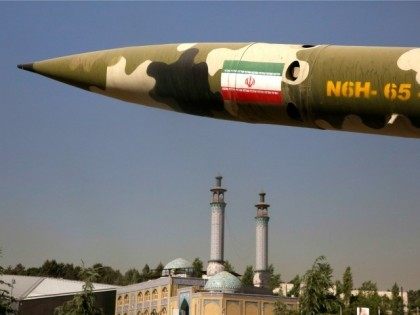
President Barack Obama appeared to yield Friday to Iran’s insistence that sanctions be removed immediately when a nuclear deal goes into effect, rather than over time. Rather than lifting sanctions only when Iran is shown to be complying with the agreement, Obama now wants sanctions to be able to “snap back” when Iran is found to be in violation of the deal.
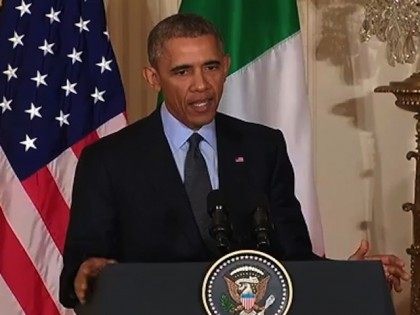
Adm. Mike Mullen, former Chair of the Joint Chiefs of Staff, has offered what he admits is a rather weak defense of the Iran deal: he hopes it will lead to regime change by strengthening reformists within the Tehran government. In an op-ed for Politico Magazine, Mullen claims that “Iranian reformists…support a nuclear deal because it would be a first step in the evolution they would like to see.” He also rules out a military option and says that Obama’s deal is the best deal possible.

Wisconsin Gov. Scott Walker, a possible Republican presidential candidate, weighed in on the Senate Foreign Relations Committee’s unanimous approval requiring President Obama to submit the Iran deal to Congress for final review.

An amendment requiring President Obama to guarantee Iran hasn’t committed terrorist acts against the U.S. or U.S. citizens was removed before the Senate Foreign Relation Committee voted on an agreement to require Congressional approval of any Iran nuclear deal.
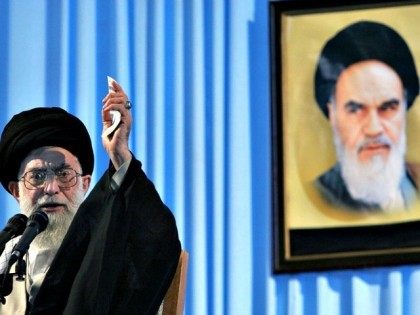
If you still wonder why our nation’s politics are so divided, look no further than Washington Post columnist Dana Milbank’s half-witted attempt to accuse Republicans—and Israelis—of hypocrisy in opposing the Iran deal. The same neocons and Likudniks who opposed any Iran deal, Milbank says, now want to stick with the interim deal, or argue for a “better deal” than the one President Barack Obama is proposing. Conclusion: they are liars, warmongers, and above all, Obama-haters.
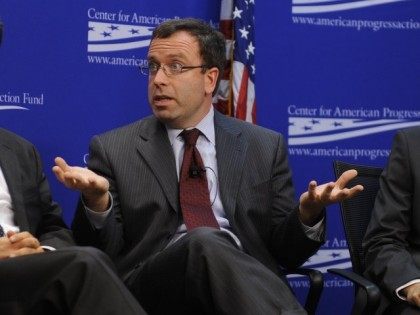
The Senate Foreign Relations Committee voted unanimously Tuesday afternoon to pass Sen. Bob Corker’s (R-TN) bipartisan Iran Nuclear Agreement Review Act of 2015, sending the legislation to the full Senate for final approval. The bill gives Congress time to review
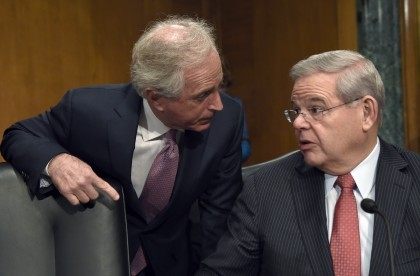
President Barack Obama’s White House is beginning to show signs it may fold under congressional pressure on the deal it struck with Iran over nuclear arms.
The opportunity for Congress to have a say in the Iran deal faces a big test Tuesday afternoon. The Senate Foreign Relations Committee will debate and vote on the bipartisan measure put forth by Sen. Bob Corker (R-TN).
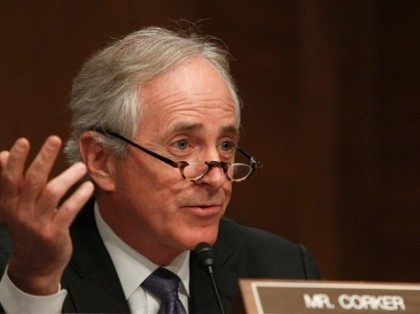
President Barack Obama met on Monday with a group of Jewish leaders at the White House in an effort to win their support for the Iran deal–and for passing that deal without approval from Congress. The details of the meeting were not posted, but The Hill reports that the Obama administration sees the outreach as a key part of its effort to prevent the Corker bill, which would require congressional approval of an Iran deal, from reaching the two-thirds majority threshold.
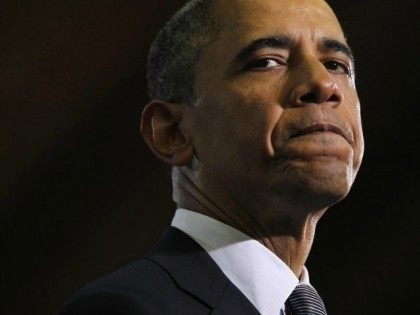
A series of polls makes the case that voters support President Barack Obama’s Iran deal, despite the objections of Republicans in Congress. The latest is the Quinnipiac swing state poll, which finds that voters in Colorado, Iowa and Virginia support a deal with Iran by a 3-to-1 margin. They also support letting Congress decide by a 3-to-1 margin, so the case against the administration’s position is solid. But the poll’s support for the deal is entirely dependent on bad wording that covers up what is actually going on.
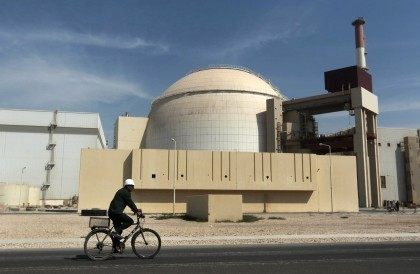
Sen. John Barrasso plans to introduce amendments if necessary to strengthen the Iran sanctions measure the Senate Foreign Relations Committee will consider this week.

The Senate Foreign Relations Committee will consider Sen. Bob Corker’s measure to secure congressional approval on the Iran deal Tuesday afternoon.
Russia announced Monday that it will sell Iran advanced S-300 surface-to-air missiles. The decision, which ends an embargo dating back to 2010, shows that President Barack Obama is rapidly losing control of the international consensus on Iran.