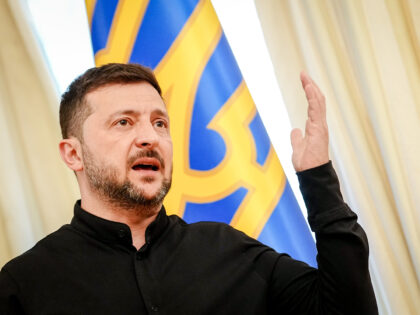
Leftist Irish Government Threatens to Deploy Army Against Farmer-Trucker Anti-Fuel Tax Protest
Protesters demanding the Irish government slash punishing taxes on farmers are successfully starving the country of fuel.

Protesters demanding the Irish government slash punishing taxes on farmers are successfully starving the country of fuel.
Amazon is implement a new fuel surcharge affecting third-party sellers who rely on its fulfillment network. The online giant will charge sellers an additional 3.5 percent fee to account for what it calls “elevated costs in fuel and logistics.”

Fed Chair Jerome Powell said that the Fed is inclined to look past the energy shock stemming from the war in Iran.
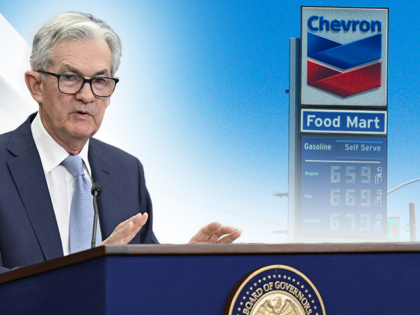
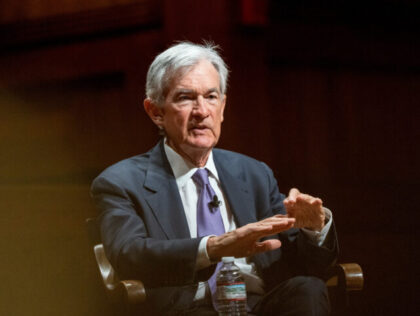
Speaking to undergraduate economics students at Harvard University, Powell said the standard central-banking response to energy shocks is to wait them out rather than react with policy changes.
This is the Breitbart Business Digest weekly wrap, where we review a selection of the economic and financial events of the past week without incurring any unnecessary labor costs or burning excess petroleum.
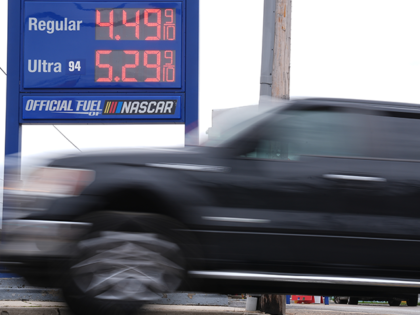
The government of Slovenia began fuel rationing measures this week amid the ongoing conflict in the Middle East, supply chain issues, and fuel tourism from neighbouring countries in Europe.
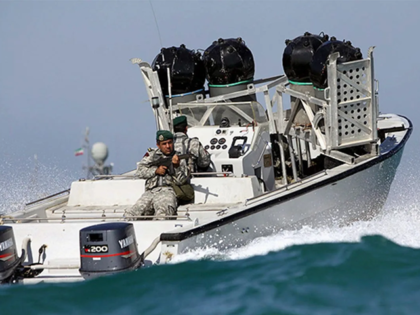
Iran has laid a small number of sea mines in the Strait of Hormuz, an anonymously-sourced report claims.
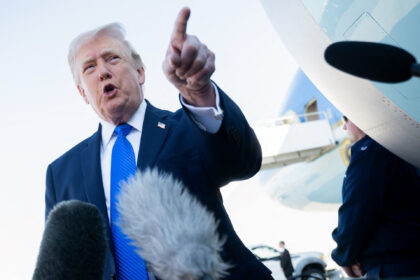
Talk of Iran deal sparked a major market rally Monday morning.
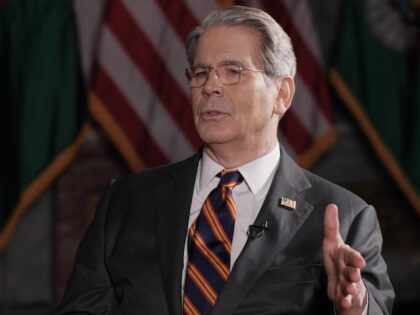
Sunday on NBC’s “Meet the Press,” Treasury Secretary Scott Bessent said the Trump administration was “jiu-jitsuing the Iranians” by “using their own oil against them.”
More than 20 nations spanning from Asia to Europe to the Gulf have expressed a “readiness to contribute” to the effort of opening up the Strait of Hormuz amid threats to ships by the Islamist regime in Iran.
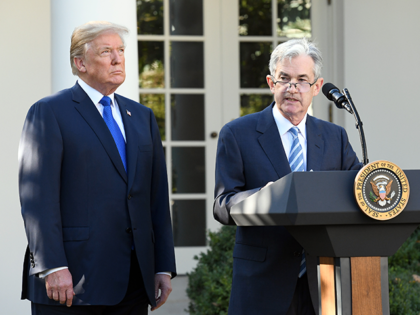
This week, we saw Jerome Powell insist that he can be Fed chairman forever or at least until his successor is confirmed, whichever comes first, we guess.
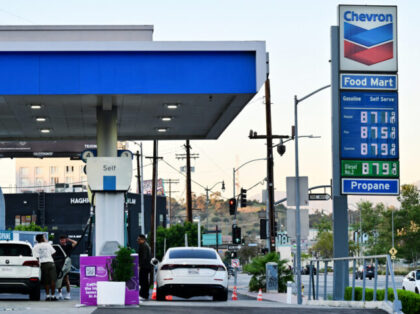
Brent crude spiked to nearly $120 a barrel Thursday morning before retreating, as the Iran conflict expanded to threaten major energy hubs across the Middle East. A drone struck a Saudi refinery, and President Trump issued a stark warning that
We have argued since the opening days of Operation Epic Fury that the economic consequences of the Iran war depend less on the price of oil this week than on one question: how long does this last?

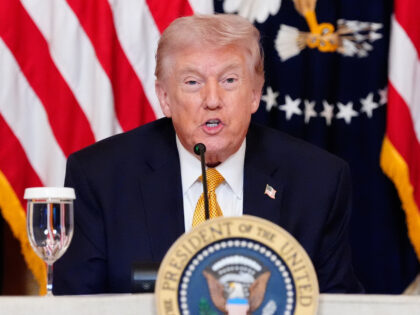
Trump says he feels vindicated in years of questioning fidelity of alliances, saying nations like Britain should have come with enthusiasm.
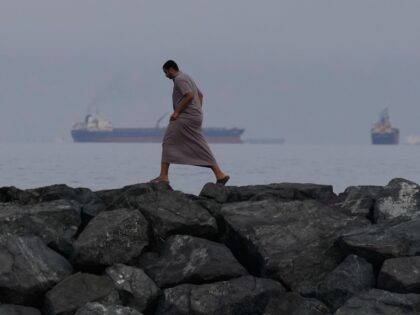
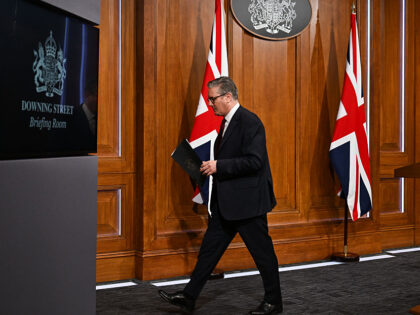
Reopening the Strait of Hormuz is critical to prevent an economic catastrophe, but the UK government isn’t sending warships yet because the Prime Minister has reservations about the lack of a legal basis for action, a “credible” plan, and the endorsement of the international community, he has said.
At least four crewmen from an American air refuelling tanker that crashed in Iraq while on Operation Epic Fury duties have died.
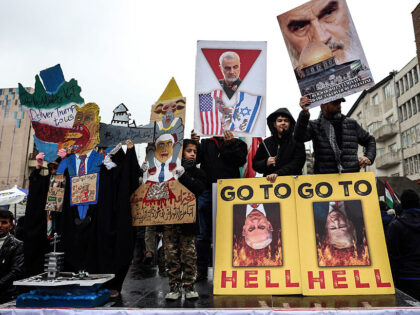
The Dow Jones Industrial Average dropped more than 500 points in midday trading.
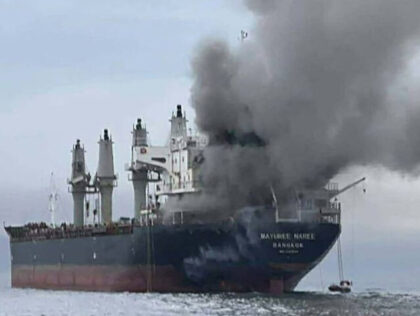
Iran and its proxies continue to launch strikes, including against oil tankers in the Gulf, while Israel says they scored “extensive” hits.
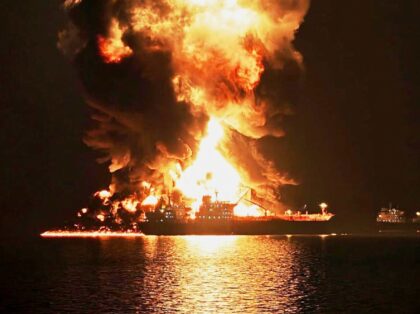
All eyes turn to the international energy markets as multiple cargo ships were attacked in the critical Strait of Hormuz supply chain chokepoint off the coast of Iran, while leaders of the world’s major economies are set to meet later today to discuss the largest ever release of emergency oil reserves.
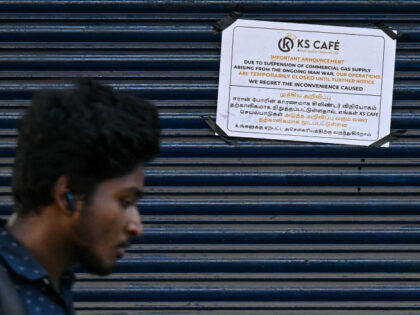
Asian nations are bracing for high costs and shortages of gas from the Iran war, as Tehran halts the flow of energy products.
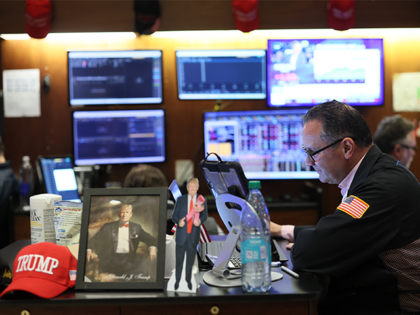
It took Wall Street a while to come around, but the stock market has finally embraced the president’s worldview.
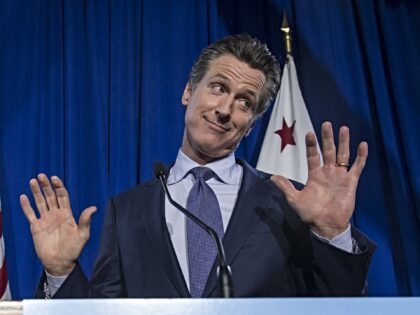
In just a few years, thanks to Gov. Gavin Newsom’s (D-CA) greedy, unnecessary, and punitive environmental regulations, the former Golden State has lost two refineries.
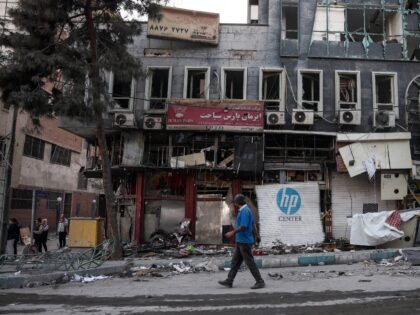
The market is doing the only honest thing it can do in the fog of war: trying to price the duration of the conflict.
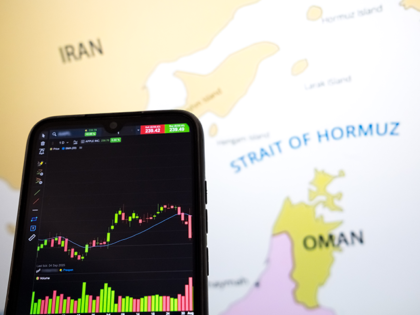
Financial markets on Monday indicated that any damage to the U.S. economy from the military conflict between the U.S. and Iran is likely to be minimal.
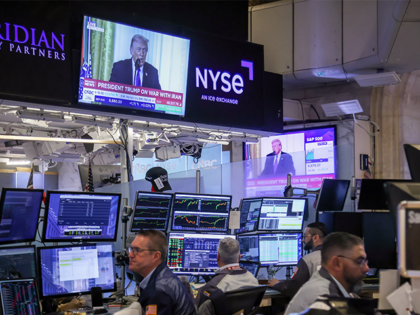
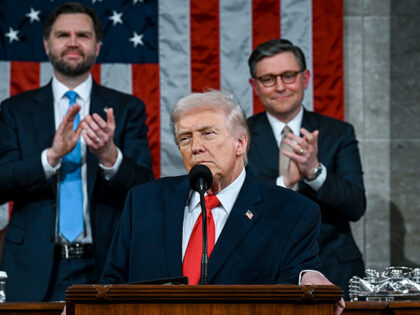
President Donald Trump announced during his annual State of the Union address on Tuesday night that the United States has received 80 million barrels of oil from the socialist rogue state of Venezuela this year, a development made possible by the arrest of its dictator, Nicolás Maduro.
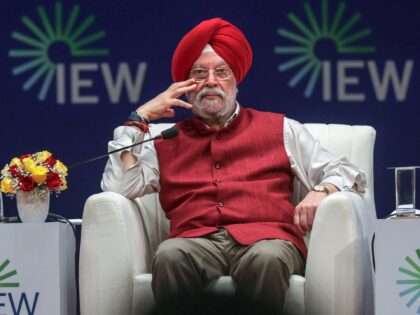
Indian Petroleum and Natural Gas Minister Hardeep Singh Puri appeared to confirm President Donald Trump’s claim that New Delhi would be expanding Venezuelan oil purchases in comments on Monday, stating that India was already buying Venezuelan oil and has refineries specially outfitted to handle crude from that country.
An unnamed “U.S. official” told the news agency Reuters in a report published on Thursday that America’s participation in the Venezuelan oil industry would not prevent communist China from buying such oil, but that they would no longer benefit from “unfair, undercut” prices.
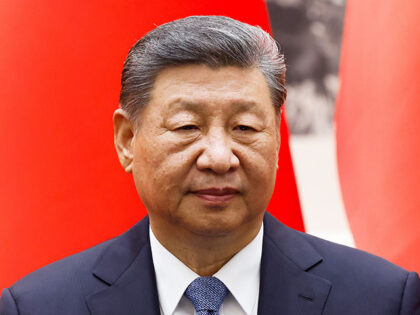
Acting Venezuelan President Delcy Rodríguez met with China’s ambassador to the country, Lan Hu, on Thursday, in an effort to reassure the chavistas’ communist patrons that their prime position in Venezuelan politics would be respected following the arrest of longtime dictator Nicolás Maduro.

The operation to remove Nicolás Maduro may prove more economically significant than most commentary suggests.

The growing initiative by the administration of President Donald Trump to curb Venezuelan profits from its illicit oil and drug industries is alarming socialists in Caracas – and their patrons and partners in crime on the other side of the world.
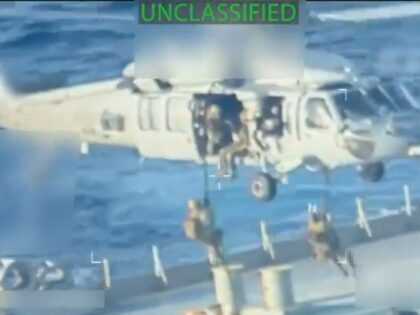
The Chinese Foreign Ministry condemned the administration of President Donald Trump on Monday for operations to stop Venezuela’s illicit trafficking of sanctioned oil, claiming that the seizures, and not the trafficking, were the true international crime.
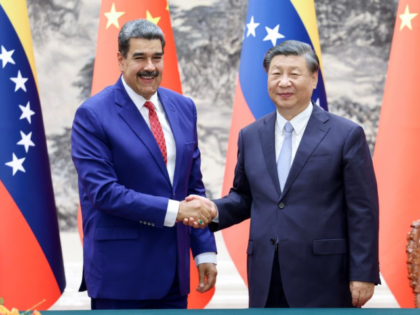
The International Energy Agency (IEA) documented a drop in Russian oil export revenue of over $13 billion between October and November in a report published on Thursday, a potential signal that President Donald Trump’s sanctions on Russia’s oil industry imposed in late October have begun to affect the market.
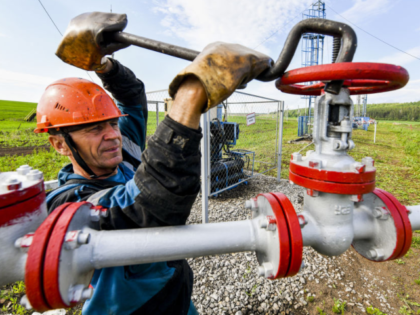
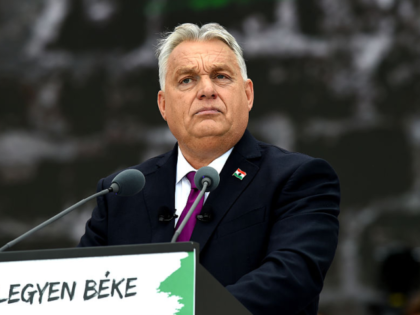
Hungarian Prime Minister Viktor Orbán, in Italy for meetings with his counterpart Giorgia Meloni and leaders at the Vatican, told reporters on Monday that he would travel to the White House soon to discuss sanctions on Russia, which he argued disproportionately hurt Hungarians.
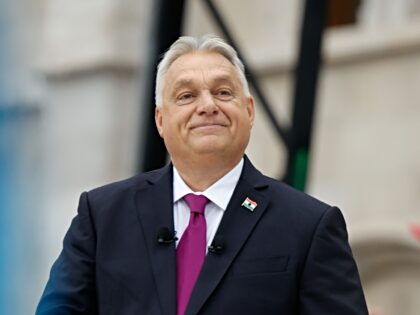
Hungarian Prime Minister Viktor Orbán said in an interview on Friday that his country was not planning to abide by President Donald Trump’s recent sanctions imposed on the Russian oil industry and was studying ways to “circumvent” them.
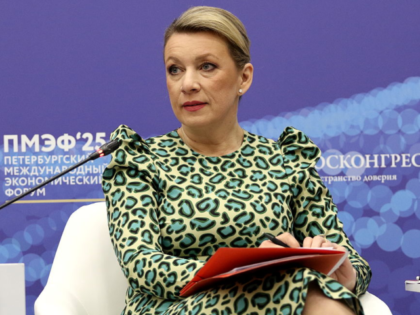
Russian Foreign Ministry spokeswoman Maria Zakharova responded to the U.S. Treasury Department’s latest round of sanctions against Russian oil on Thursday by dismissing them as irrelevant, claiming Russia will “not face any particular problems.”
Saudi Aramco, the national oil company of Saudi Arabia, posted a 22 percent decline in profits for the second quarter of 2025.

Energy Secretary Chris Wright on Tuesday walked through what the U.S. has done to become “energy dominant” under the leadership of President Donald Trump, explaining that the price of oil is a “great testament” to this agenda.
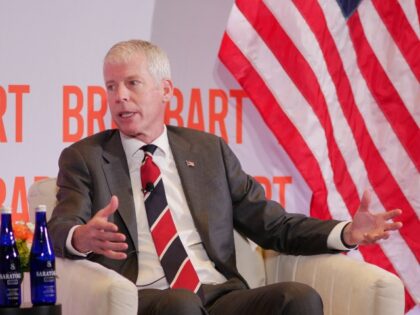
Oil prices sunk more than three percent early Tuesday morning.
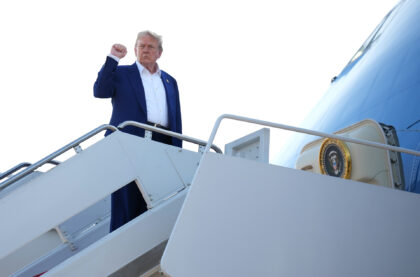
Oil prices fell around one percent Monday morning.
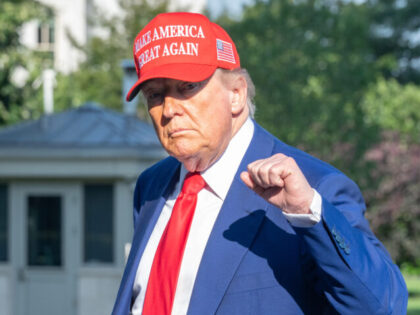
A sharp rise in global oil prices following Israeli strikes on Iran will benefit Russia and bolster its military capabilities in the war in Ukraine, Ukrainian President Volodymyr Zelensky said.