Wild Ride: Stock Futures Plunge on Iran War Panic Then Recover as Reality Takes Hold
The message from financial markets matches that of President Trump: “All is well.”

The message from financial markets matches that of President Trump: “All is well.”
The moves in stocks, energy, and bonds show no signs of acute concern following the news of the killing of Iran’s top military leader.

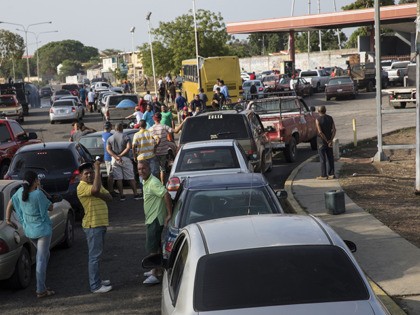
People in Venezuela have faced widespread gasoline shortages since Monday despite boasting some of the world’s largest oil reserves because the socialist regime failed to distribute supplies to fuel stations on time.
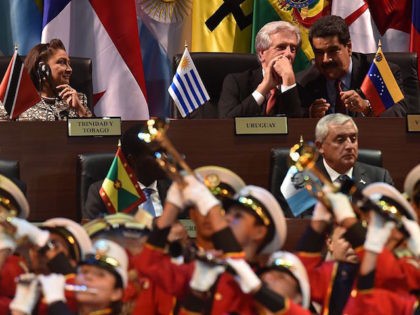
Given the hostility from the U.S. and other Western countries, foreign allies matter a great deal to Venezuela. Luckily for the regime, a cheap supply of oil also matters a great deal to its allies.
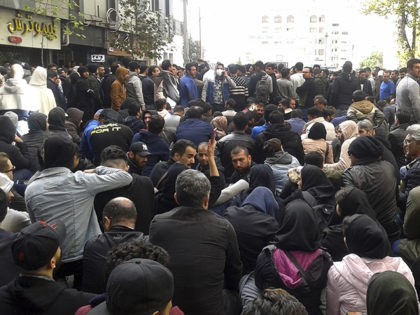
Protests in towns and cities across Iran continued Monday despite the use of lethal force against demonstrators by the regime plus a nationwide Internet blackout. The Islamic Revolutionary Guard Corps (IRGC), a designated terrorist organization, threatened “decisive” action if the protests do not end soon.
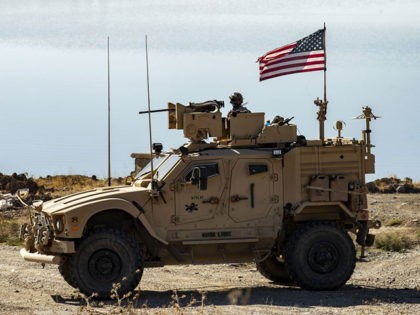
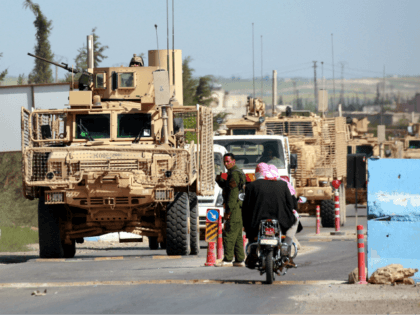
In an exclusive report on Wednesday, Kurdistan24 News described visiting two bases in eastern Syria to talk with the roughly 500 U.S. troops left behind to defend strategically vital oil fields. The soldiers said they are still working with the Kurdish-led Syrian Defense Forces (SDF) militia and conducting operations against Islamic State remnants.
“I think to shut down the shale industry, that would probably not be a good thing for the economy,” Powell said.
A Pentagon spokesman told reporters on Thursday that revenues from Syrian oil secured by U.S. troops will go to the majority Kurdish Syrian Democratic Forces (SDF), not to the United States.
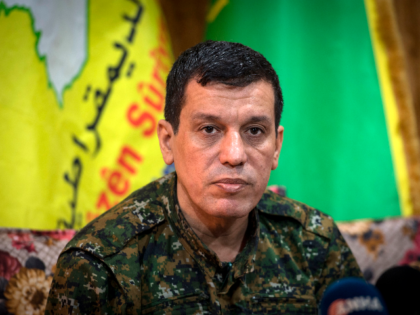
The commander of the Syrian Democratic Forces (SDF), Mazloum Abdi, told the Kurdish news outlet Rudaw in an interview published Tuesday Thursday that American troops are “definitely not” staying in Syria for oil.
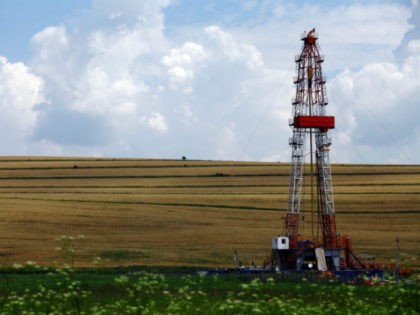
U.S. production of petroleum has skyrocketed in recent years thanks to new extraction methods such as fracking.
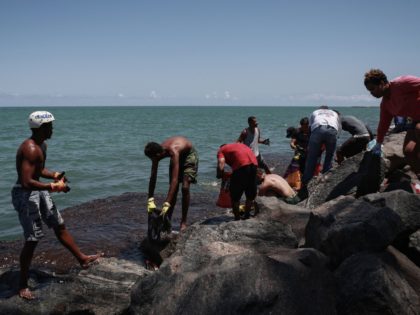
The CEO of Brazilian state-run oil giant Petrobras warned on Tuesday that the recent oil spills washing up on beaches along more than 1,240 miles of Brazil’s northeastern coastline may be the worst environmental incident in the country’s history.
Business conditions grew worse in October but optimism about the future increased.
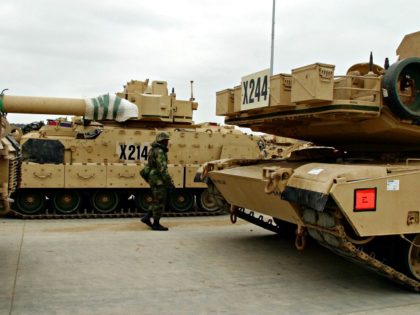
Multiple mainstream media reports claim Pentagon officials are reportedly seeking permission from the White House to deploy hundreds of U.S. troops and dozens of tanks to eastern Syria to protect valuable oil fields currently held by the Kurdish-led Syrian Democratic Forces (SDF).
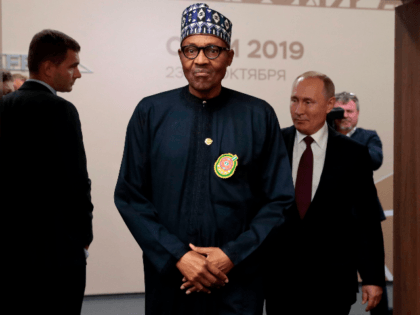
At a meeting in the Black Sea resort of Sochi on Thursday, Nigerian President Muhammadu Buhari signed agreements with Russian President Vladimir Putin for military cooperation and economic development, including Nigeria’s oil and gas resources. Nigeria is also working with Russia to construct a nuclear power plant.
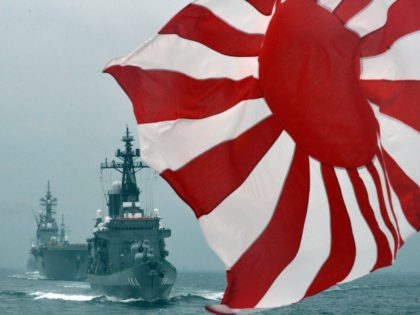
Japan’s government said Friday it has decided not to join a U.S. coalition to protect commercial vessels in the Middle East but is preparing to send its own force to ensure the safe shipment of oil to Japan.
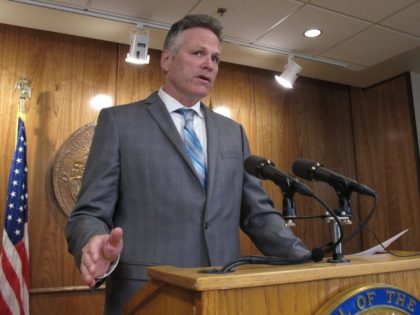
The fight is on in the northernmost American state as its newly-elected GOP Gov. Mike Dunleavy faces an effort pushed by leftist special interests to recall him after he delivered on his promises to reduce the size and scope of government and reignite the state’s economy.
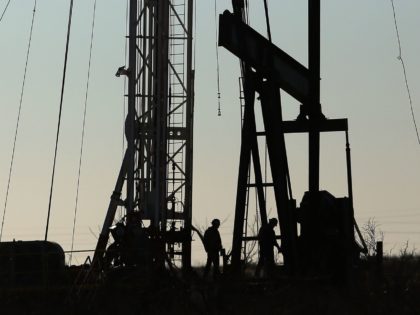
Nearly 725,000 acres of public land in California is no longer off-limits to oil and gas drilling, according to a decision by the Bureau of Land Management (BLM) made Friday.
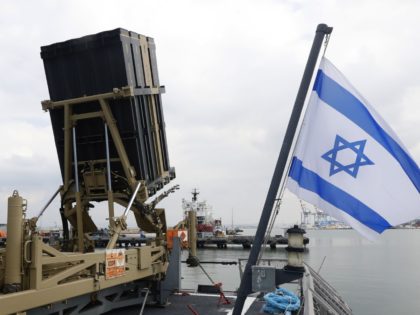
In a cabinet meeting on Sunday, Prime Minister Benjamin Netanyahu proposed a massive air defense system to defend against Iranian attacks, especially cruise missiles like those used in attacks on a Saudi Arabian oil facility last month, according to KAN.
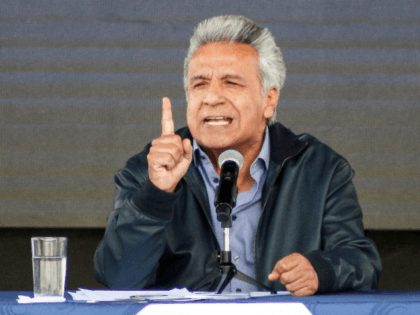
The Ecuadorian government announced on Wednesday that it will leave the Organization of the Petroleum Exporting Countries (OPEC) at the end of this year in order to increase their export revenue.
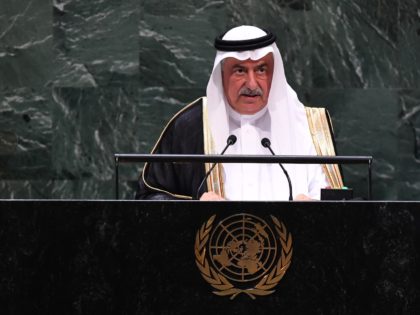
Saudi Arabia’s foreign ministry urged the world to unite against the “vile and cowardly” Iranian regime in his speech to the United Nations General Assembly on Thursday, identifying Tehran as a global threat that does not respond well to “appeasement.”
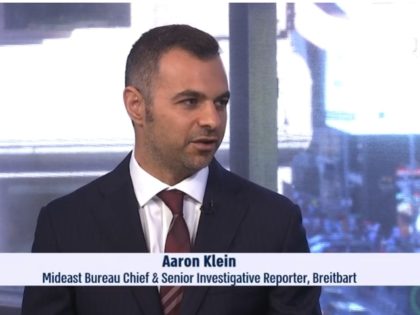
Aaron Klein, Breitbart’s Jerusalem bureau chief and senior investigative reporter, fingered Iran for carrying out aerial strikes on oil facilities in Saudi Arabia last weekend, warning the attacks were not a localized issue but a “war on the entire global economy.”
The U.S. backs Saudi Arabia’s sovereign “right to defend itself” after a weekend attack on a crucial processing facility and oil field, Secretary of State Mike Pompeo said Thursday.
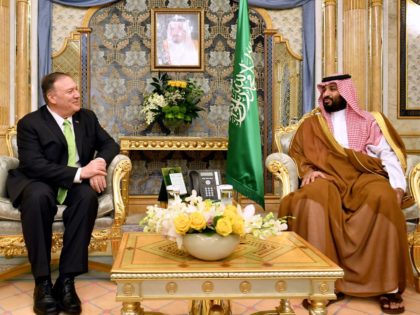
Saudi Crown Prince Mohammed bin Salman asked South Korean President Moon Jae-in for help in crafting an air defense system to prevent future attacks such as the drone strikes on Saudi oil facilities that occurred this weekend, Seoul revealed.
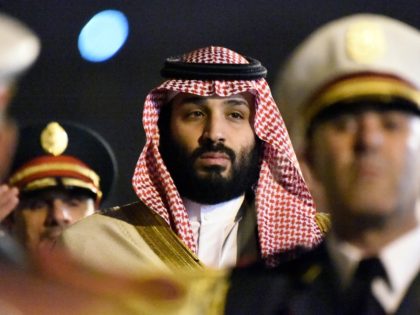
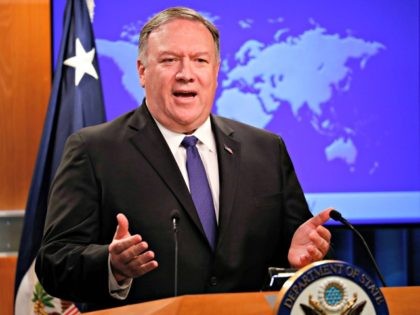
Speaking from Jeddah, Saudi Arabia, on Thursday, Secretary of State Mike Pompeo said last weekend’s drone and missile attack on Saudi oil facilities was an “act of war” perpetrated by Iran.
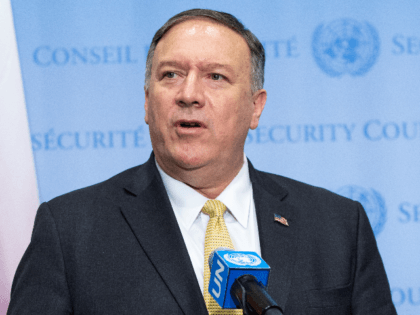
Saudi Arabian energy minister Prince Abdulaziz bin Salman said on Tuesday that oil production will be fully restored by the end of September following a drone and missile attack on oil facilities Yemen’s Houthi rebels have claimed.
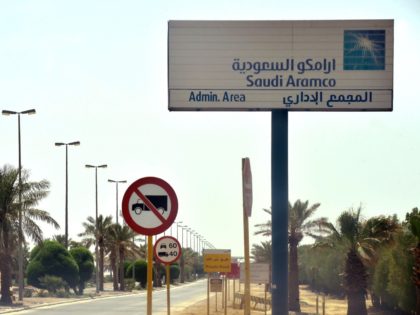
Members of the rogue terrorist regime in Iran praised Yemen’s Houthi insurgency on Wednesday for claiming a series of drone attacks on Saudi oil facilities over the weekend – but condemned Washington and Riyadh for claiming evidence implicated Iran.
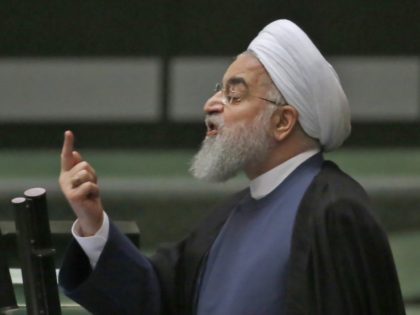
Saudi Arabia said Wednesday it joined Australia, Bahrain and the United Kingdom in a US-led maritime coalition to secure the Mideast’s waterways amid threats from Iran after an attack targeting its crucial oil industry.
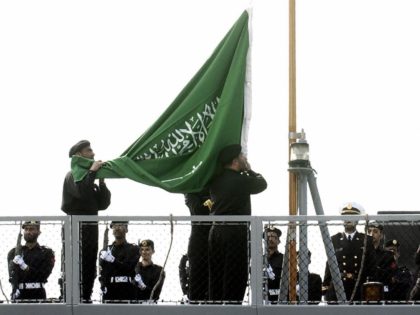
A national energy strategy to reduce carbon dioxide emissions yielded from the burning of fossil fuels requires the use of nuclear energy, determined Deputy Secretary of Energy Dan Brouillette, offering his analysis in a Tuesday interview on SiriusXM’s Breitbart News Daily with host Alex Marlow.
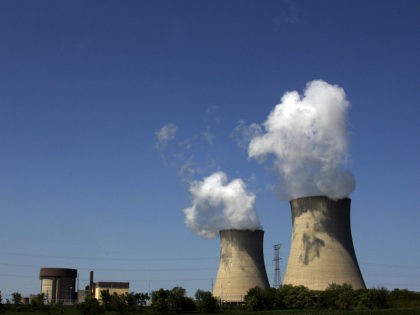
Iran’s Supreme Leader Ayatollah Ali Khamenei said Tuesday there will be no one-on-one talks with Washington after Tehran was blamed for weekend attacks on Saudi installations that sent global oil prices soaring.
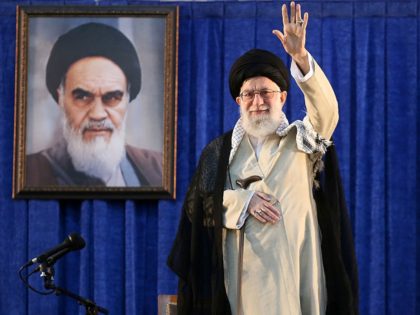
The U.S. is no longer as dependent on foreign oil as it once was and higher oil prices are no longer necessarily bad for the U.S. economy.
The military coalition assembled by Saudi Arabia to intervene in Yemen’s civil war said on Monday that the weekend attack on Saudi oil facilities was conducted with Iranian weapons, and those weapons were not launched from Yemen, despite claims to the contrary by the Iran-backed Houthi insurgency.
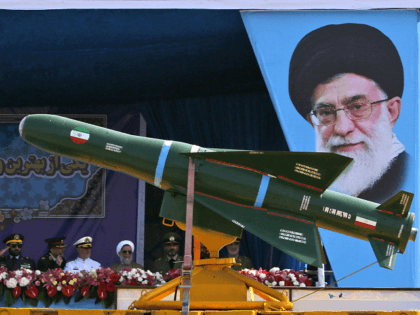
The international response to an apparent Iranian attack on Saudi Arabia’s oil fields urged caution and a careful investigation before assigning blame for the strike or taking retaliatory action. Many of these responses suggested the world’s oil supply is robust enough to absorb the loss of Saudi production without major economic disruptions.
Global energy prices soared Monday after a weekend drone attack on key oil facilities in Saudi Arabia caused the worst disruption to supplies on record.
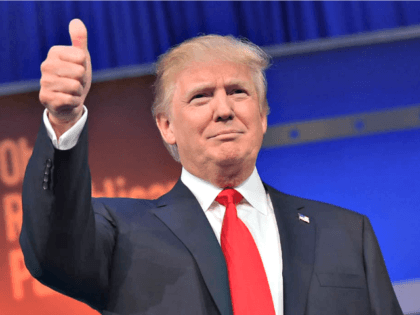
President Donald Trump appeared to tweet a threat Sunday to Iran over drone attacks Saturday by Iranian-backed Houthi rebels against oil fields in Saudi Arabia that were reported to have cut global oil production by 5 percent.
“Based on the attack on Saudi Arabia, which may have an impact on oil prices, I have authorized the release of oil from the Strategic Petroleum Reserve,” Trump wrote on Twitter.
Iran denied Sunday it was involved in Yemen rebel drone attacks that hit the world’s biggest oil processing facility and an oil field in Saudi Arabia, just hours after U.S. Secretary of State Mike Pompeo said Tehran was behind the
Swedish green teen Greta Thunberg took part in a youth climate change protest on Friday outside the White House.

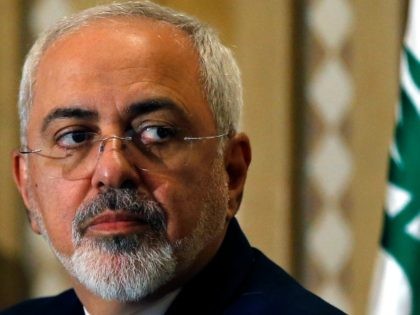
The U.S. Treasury is nothing more than a “jail warden”, Iranian Foreign Minister Mohammad Javad Zarif lamented Thursday, a day after Washington imposed fresh sanctions designed to end the illicit smuggling of oil by Iran shipping interests.
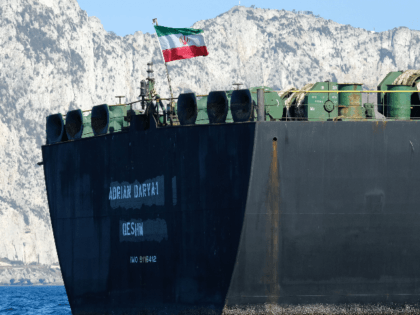
A large Iranian-registered shipping network created solely to transport and obfuscate the sale of Iran oil has been targeted with fresh sanctions by the Trump administration.
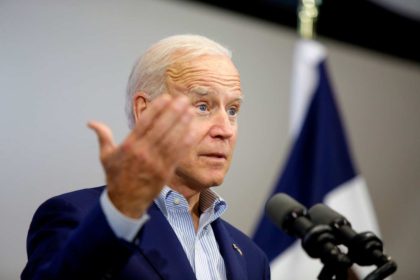
Former Vice President Joe Biden defended his decision to fundraise off Wall Street and oil interests at CNN’S climate change town hall on Wednesday.