Bidenflation: Producer Price Index Rises Faster Than Expected
A big jump in the producer price index for September shows inflation persists and is stronger than expected.
A big jump in the producer price index for September shows inflation persists and is stronger than expected.
Core PPI accelerated in August. The prices of raw materials sold business to business jumped 5.7 percent.
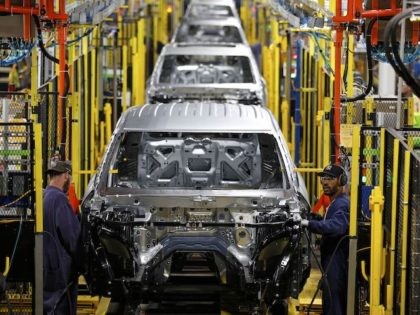
Also: here’s why food inflation matters more than headline or core prices.

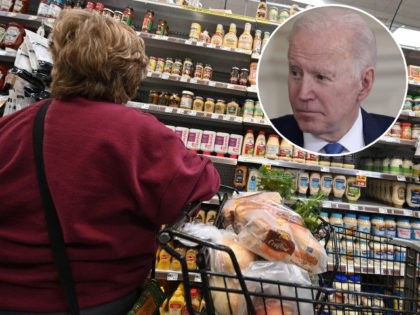
It sure doesn’t look like “zero inflation” at the grocery store.
This week’s second government report on the inflation that has gripped the country and rocked the economy for over a year now. Gasoline helped pull down the headline number but excluding energy prices kept rising.

Sixth month in a row of double-digit inflation.

Transporting goods across the U.S. keeps getting more and more expensive with each passing month. Pete Buttigieg call your office!

Prices charged by U.S. businesses for goods and services sold to households, businesses, and governments are up more than expected.

The April employment reports released Friday perfectly encapsulated the economic moment: everyone has a job and no one is happy about it because of inflation.

Alfredo Ortiz of Job Creators Network writes in TheHill that inflated wholesale costs have produced a crisis among small businesses, but Democrats in Congress are totally out of touch with their pressing concerns.

Prices keep surging higher.
The highest full-year producer price inflation on record.

Inflation in the prices of goods and services purchased by businesses soared in November.

Inflation continued to run hotter than expected in November.

This may be the most expensive Thanksgiving in history.

The Department of Labor issued its twin inflation reports, known as the Consumer Price Index and the Producer Price Index, this week. They both showed the prices of many popular holiday gifts have shot up over the past twelve months.

Think inflation is bad at the retail level? Take a look at what’s happening behind the scenes in Joe Biden’s economy.

Peeling back the layers of the supply chain reveals extreme inflationary pressures and bottlenecks in warehousing and shipping.

Orders for durable goods rose by less than prices of durable goods in August, suggesting there may have been an output contraction as supply-chain disruptions still stymie growth.
Prices charged by U.S. businesses jumped higher in August, data from the Department of Labor said Friday.

Furniture, appliances, and home electronics are all getting pricier.

Instead of cooling off, producer inflation came in even hotter in July.
Economists had been expecting an increase of 0.6 percent, below the 0.8 percent initially reported for May. On a 12-month basis, the consensus forecast was for 6.8 percent.

The Producer Price Index rose 6.6 percent in May from 12-months earlier, the highest recorded for the series since at least 2010.
Prices received by businesses for goods and services jumped 6.2 percent compared with a year ago.
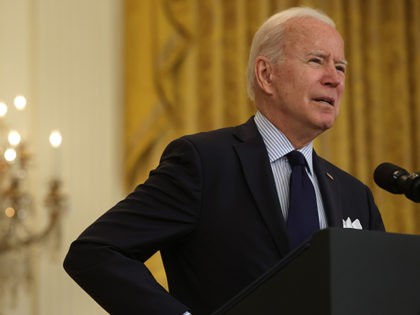
Black unemployment is up. Gasoline prices are up. Food prices are up.

Prices rose much faster in March than economists had forecast.

U.S. producer prices increased by the most since 2009 in January, according to a report released Wednesday by the Department of Labor.

Profit margins for many merchants rose in August, indicating healthier demand than expected amid the pandemic.

The price of gasoline jumped more than 10 percent in July while food prices fell.

Margins were squeezed in June as the economy grappled with an unsteady reopening, rioting, and widespread social unrest.

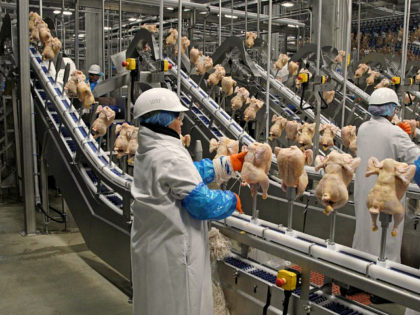
The price of chicken crashed while the price of beef soared.
Tariffs did not raise prices on consumers. But they did initially pressure profits. The latest price data shows that has eased.

Prices of light trucks, appliances, and computers all fell in September, once again demonstrating the tariffs aren’t taxing consumers.

The Department of Labor’s Producer Price Index fell 0.3 percent in September from a month earlier.

Prices of goods, less food and fuel, unexpectedly fell in July, once again demonstrating tariffs are hurting U.S. consumers.|

The acting White House chief of staff explained this morning’s price data. Importers pay tariffs but consumer prices aren’t rising.

Claims that the China or metals tariffs are squeezing consumers lack any basis in fact, the most recent inflation data show.

Neither the tariffs placed on steel and aluminum a year ago nor the more recent ten percent tariff on Chinese goods has pushed prices of goods sold to consumers up.

Lower than expected prices received by businesses indicates that inflationary pressures in the U.S. remain very weak.