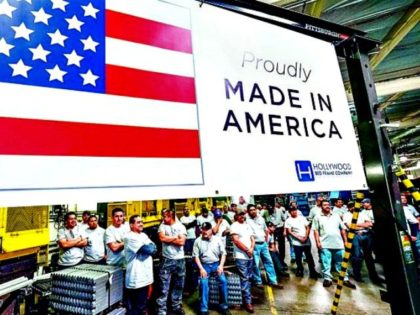
One Year After Metals Tariffs: Still Not Pushing Consumer Prices Up
Who pays for tariffs? A year after Trump announced tariffs on steel and aluminum, there’s no sign of tariff induced-inflation.
Who pays for tariffs? A year after Trump announced tariffs on steel and aluminum, there’s no sign of tariff induced-inflation.
The latest price data deals a sharp blow to the fearmongers who said consumers would pay for Trump’s tariffs.
Consumer prices once again demonstrate that American households are not being squeezed by tariffs on metals and China imports
Job openings in metals-using sectors are up sharply compared to a year ago, dispelling the myth that steel and aluminum tariffs hurt U.S. workers.
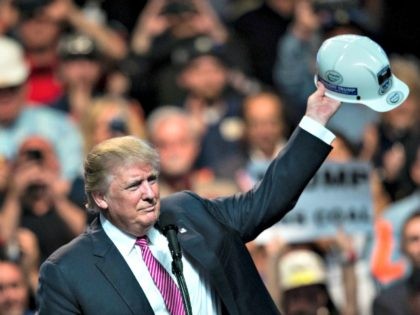
December price data defy predictions that tariffs would push price levels higher.
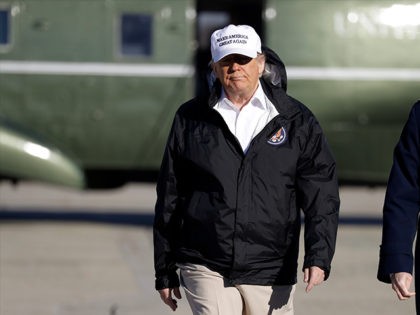
Consumer prices on many items subject to tariffs actually fell in December, defying predictions that the trade war would weigh on American consumers.
CNN White House correspondent Jim Acosta appeared to inadvertently make the case on Thursday for a steel version of President Donald Trump’s border wall.

So much for the blarney about tariffs hurting U.S. manufacturers.
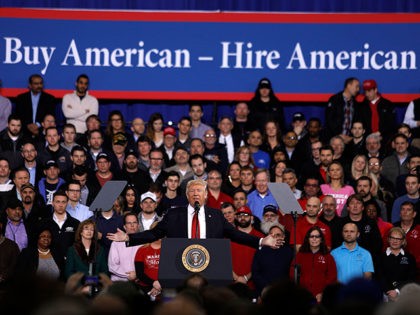
They keep saying tariffs are taxes on American consumers and forcing prices higher. And every month inflation data shows that is not true.
President Trump is celebrating plans for a new American steel mill that is set to create hundreds of high-paying U.S. jobs in the southwest.
They told us that the metals-using American businesses would get wrecked by steel tariffs. Instead, they are thriving.
They said tariffs would destroy jobs. That hasn’t happened.
Steel and aluminum using businesses keep adding jobs, defying predictions that tariffs would result in job losses.
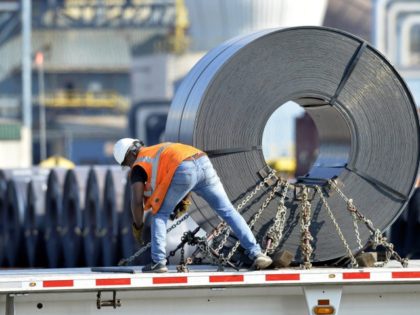
The Trump administration’s new trade pact with Mexico and Canada is much better than previous trade agreements in the area of workers rights, the United Steelworkers union leader said in a statement Monday.
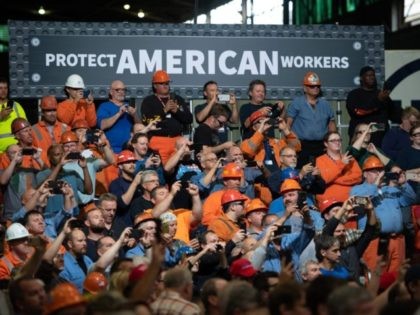
About half of U.S. business owners say President Trump’s tariffs on Chinese goods, as well as imported steel and aluminum, are good for business, calling them “positive” for the economy.
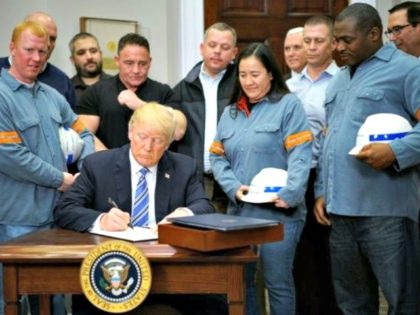
Critics said tariffs would be a tax on U.S. consumers. The recent data on producer prices, however, show higher costs are not getting passed on to American consumers.
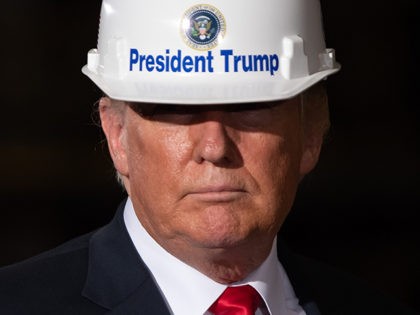
Tariffs were predicted to be a drag on productivity. Instead, U.S. worker productivity saw the biggest quarterly increase in three years after the Trump administration implemented steel and aluminum tariffs.
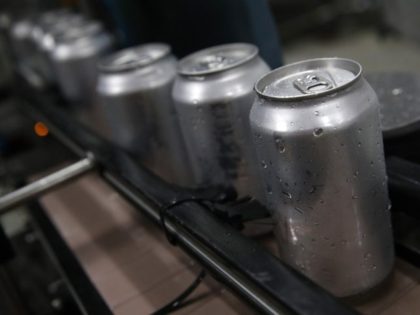
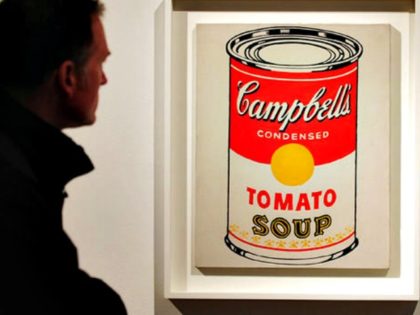
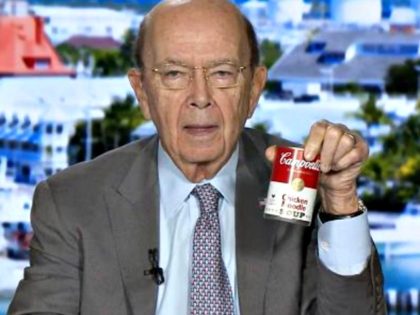
Remember when they said tariffs would raise the prices of beer, soup, and canned food? The latest data shows that prices are actually falling.
U.S. Steel will invest $750 million at their 110-year-old steel manufacturing plant in Gary, Indiana, crediting President Trump’s tariffs.
There are 20 times as many American jobs that have been created in the last six months thanks to President Trump’s tariffs on imported foreign goods than jobs that have been lost.
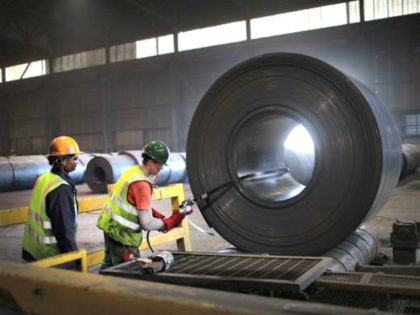
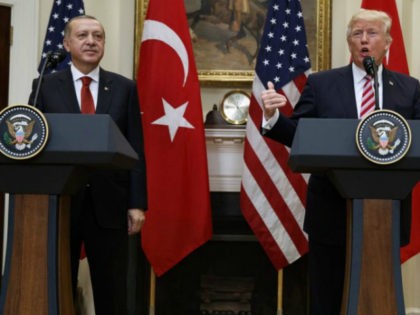
“Our relations with Turkey are not good at this time!” Trump wrote on Twitter.
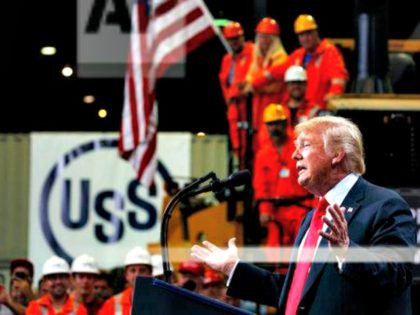
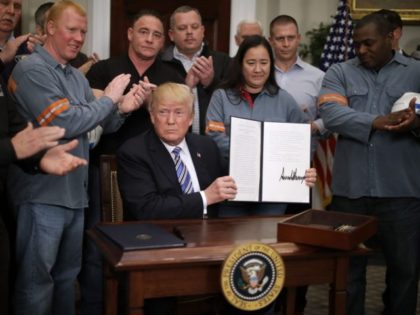
“They were dumping steel all over the country, dumping it like garbage, and they were putting you people out of work,” Trump told the workers at the factory, referring to subsidized cheap steel imports from countries like China.
Tax cuts boosted profits although metals tariffs raised the cost of raw materials.

Manufacturers say they are worried about tariffs and the tight labor market. But consumers are not feeling the bite of rising costs.
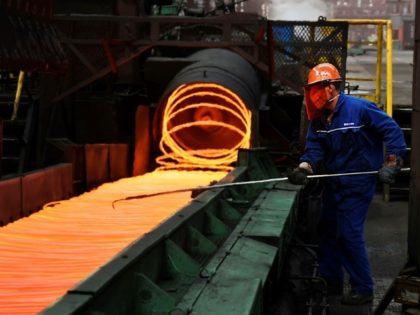
American workers in an Illinois steel town are finally seeing relief after years of job-killing free trade thanks to President Trump’s 25 percent tariff on imported steel.
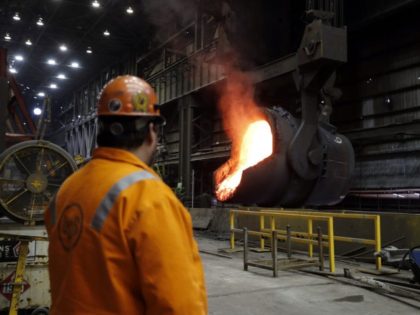
Experts said American industries that use imported metals were going to suffer under tariffs. Instead, they added 27,000 new jobs in recent months and wages for workers are rising.
Canada retaliated Sunday for U.S. tariffs on steel and aluminum by inaugurating tariffs on $12.6 billion in U.S. goods.
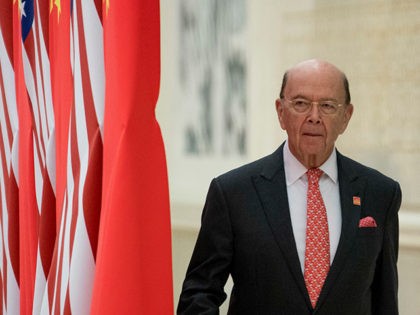
Testifying before the Senate Finance Committee Wednesday, Commerce Secretary Wilbur Ross took Senator Michael Bennet (D-CO) to task over the Trump administration’s plan to hold China accountable for dumping steel globally.
People were declaring it “game over” for the northern Minnesota region two years ago. Now the mines, factories, and business of the Iron Range are booming again.
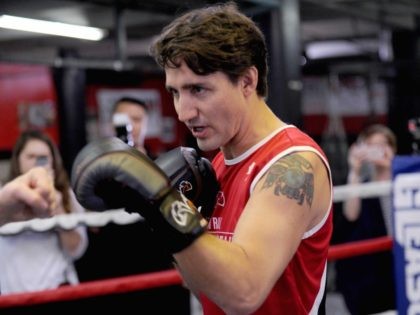
“There’s a bit of a patriotic boost going on these past few days,” Canada’s Prime Minister Justin Trudeau said this week.
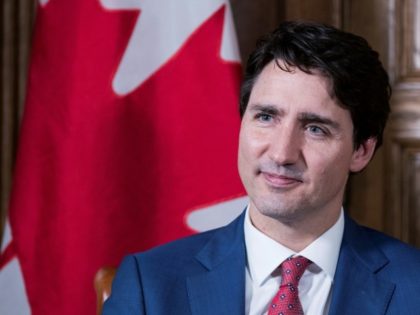
The European Union (EU) will retaliate against President Donald J. Trump’s metal tariffs by July, with €2.8 billion (£2.5bn) of levies on U.S. key exports, designed to do maximum damage to iconic American brands.

“It is simply ridiculous to view any trade with Canada as a national security threat to the US and we will continue to stand up for Canadian workers & Canadian businesses,” Canada’s prime minister said in a tweet.
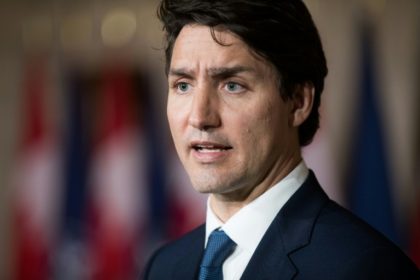
The United States ended a delay of steel and aluminum tariffs for the European Union, Canada, and Mexico with a proclamation on Thursday.
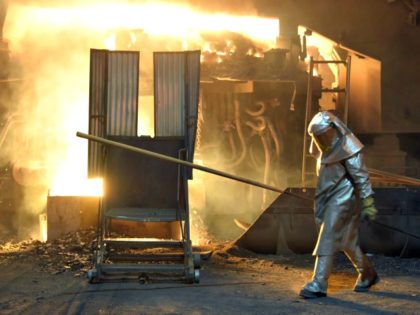
President Donald Trump hinted at the need for a “different structure” for a bilateral trade deal with China just one day after the Commerce Department’s Tuesday determination that China has been using Vietnam to circumvent anti-steel dumping measures.
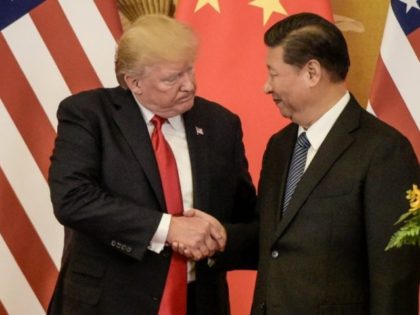
Massive increases in U.S. steel imports from Vietnam that coincided with led to a Commerce Department investigation and announcement on Tuesday that China is using Vietnam to circumvent anti-dumping and countervailing duty orders.
The United States will not lift tariffs on Chinese steel and aluminum, Treasury Secretary Steven Mnuchin said on Tuesday.
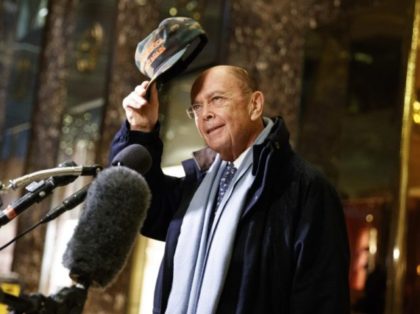
When Wilbur Ross went on CNBC to explain that tariffs wouldn’t hurt consumers, he held up a can of Campbell’s soup to make his point. The company reacted by claiming that prices would increase.
Gary Cohn says that he is, indeed, a globalist and that his biggest regret about his time in the White House was not being able to make the personal tax cuts permanent.
“If we’re going to impose it, we’re going to have to do it very soon, or else people will start gaming the system,” Commerce Secretary Wilbur Ross said Tuesday.
With all the talk of trade war and tariffs in the media lately, we often hear from economists and CEOs of major corporations, but we don’t often hear from the small business owners who feel the pain the most when costs are increased even by just a small amount.