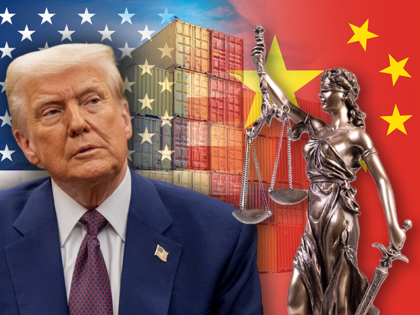
Amazon’s ‘Prime Day’ Discount Bonanza Alarms Chinese Sellers Feeling the Tariff Pain
Amazon’s big “Prime Day” sale runs from July 8 to 11 this year, arriving at the height of President Donald Trump’s tariff crusade.

Amazon’s big “Prime Day” sale runs from July 8 to 11 this year, arriving at the height of President Donald Trump’s tariff crusade.
The critics said tariffs would start a trade war. Instead, Donald Trump may have just ended one.
Vietnam runs a very large trade surplus with the U.S. and a trade deficit with China, essentially recycling dollars from the U.S. into China.
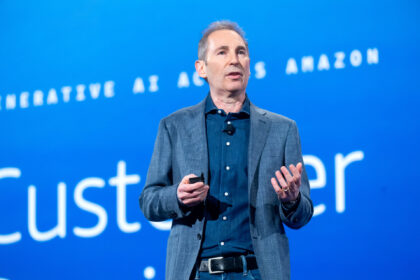
Andy Jassy, Amazon’s chief executive, said Monday that newly enacted tariffs on Chinese goods have not led to meaningful price increases on the company’s platform, joining a growing body of evidence suggesting that recent trade measures have not produced the
Indonesian officials said on Monday they will begin easing import restrictions and licensing requirements ahead of the July 9 deadline for U.S. tariff negotiations.
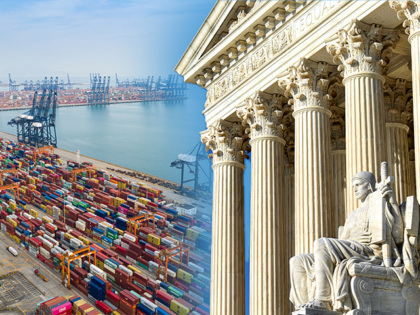
The Supreme Court’s decision on Friday in FCC v. Consumers’ Research didn’t just preserve a telecom subsidy—it delivered a serious setback to efforts to dismantle President Trump’s trade agenda.
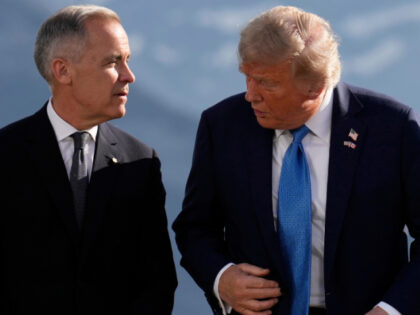
President Donald Trump terminated trade talks with Canada on Friday and will be announcing a tariff on Canadian goods in response to a Canadian tax on American tech goods.
Durable goods prices—the category most directly exposed to international trade—were flat month-over-month, showing zero growth after a 0.5 percent gain in April.
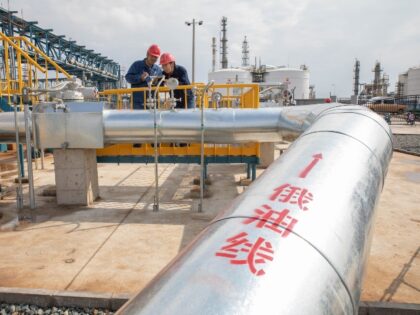
Chinese leaders are reportedly reconsidering the Power of Siberia 2 gas pipeline, a stalled project that would bring huge amounts of Russian natural gas to China, because the Iran conflict is making Beijing nervous about relying too heavily on the Middle East for energy.
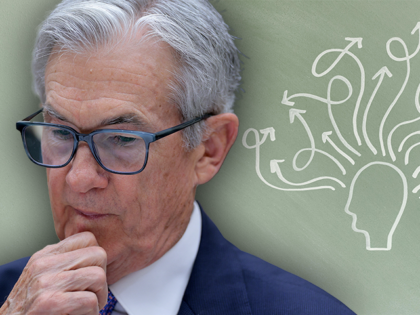
Fed Chair Jerome Powell’s belief that tariffs will push prices higher might be based on a new working paper from the Boston Fed that relies on a flawed model.
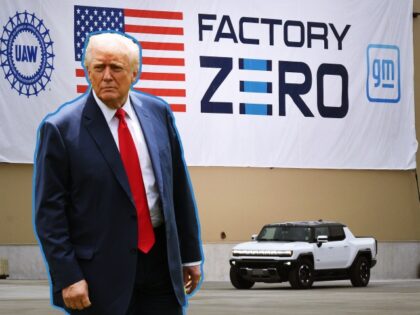
Executives with General Motors (GM) are working hard to curry favor with President Donald Trump’s administration.
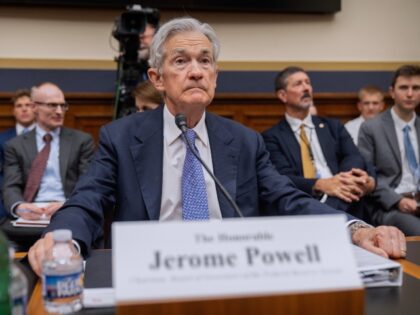
Federal Reserve Chairman Jerome Powell testifies before the Senate Banking, Housing, and Urban Affairs Committee on Wednesday, June 25.
The Fed chair once warned against using speculative forecasts to drive policy. Now he’s doing exactly that.
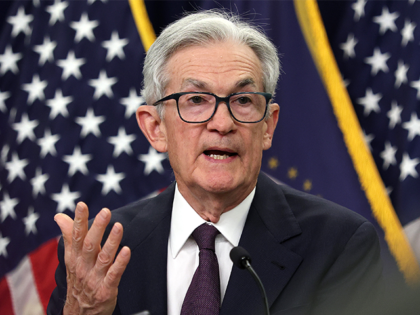
Fed chair tells lawmakers inflation could rise again due to Trump’s tariffs, keeping rate cuts on hold for now.
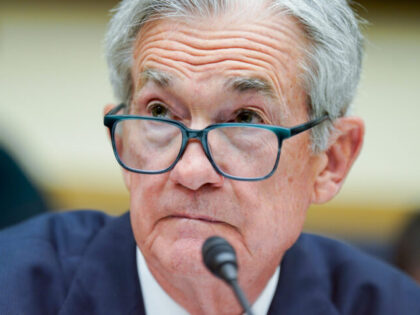
Federal Reserve Governor Christopher Waller said Friday that the central bank could begin lowering interest rates as soon as next month, arguing that inflation has cooled and that policymakers should not wait for the labor market to weaken before acting.
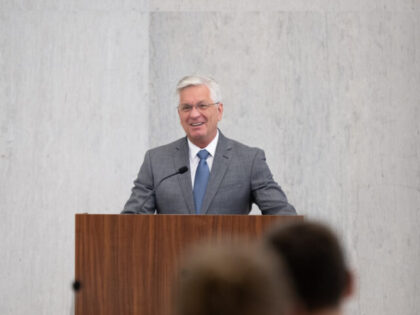
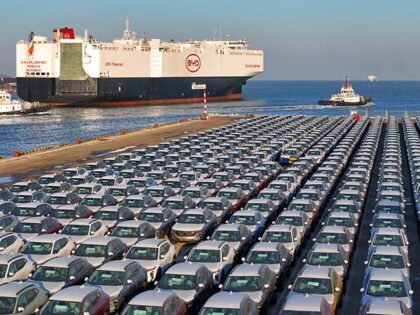
Brazilian automobile industry executives and labor leaders are growing uneasy about the flood of cheap electric vehicles (EVs) pouring in from China, because the Chinese onslaught is crushing Brazilian manufacturing.
or years, critics have warned that presidential use of tariff authority threatens the separation of powers.
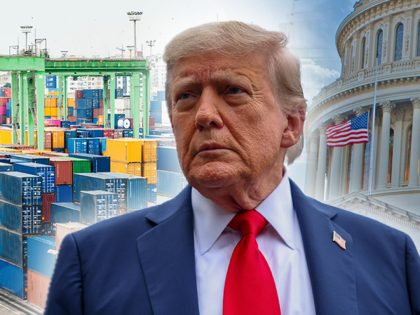
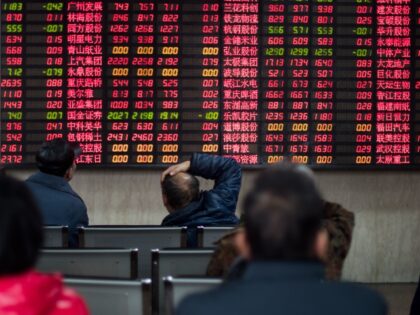
China’s problem with low consumer spending is getting worse as pay cuts and layoffs leave the Chinese working class with even less disposable income.
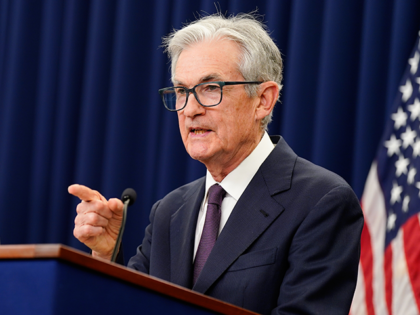
The Federal Reserve announced definitively on Wednesday that President Trump’s tariff policies are forcing a more aggressive stance on inflation.
Retail sales fell in May, but beneath the surface, the picture of the American consumer remains solid—and in many categories, unexpectedly strong.

Pre-tariff measures show subdued cost pressures despite trade tensions.
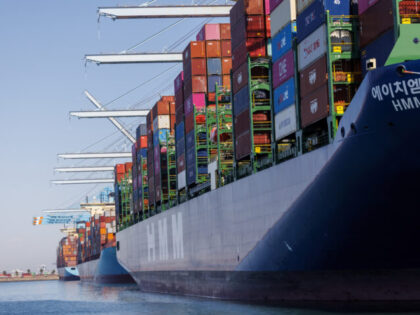
A closer look at the data shows continued strength in several core spending categories, underscoring the unusual dynamics created by shifting tariffs, falling inflation, and front-loaded demand earlier in the spring.

Trump dropped the deal on the floor when attempting to present it to the press, sending Starmer scrabbling.

Tariffs aren’t squeezing consumers. They’re squeezing foreign suppliers and protecting the American wage base.
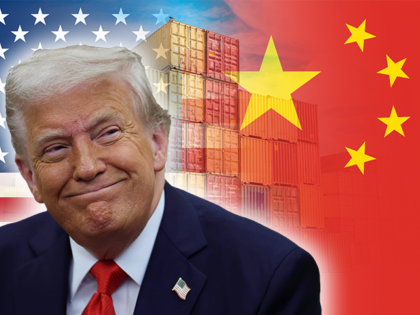
Tariffs are not raising prices for final demand goods and services in the U.S., as another round of inflation data comes in softer than expected.
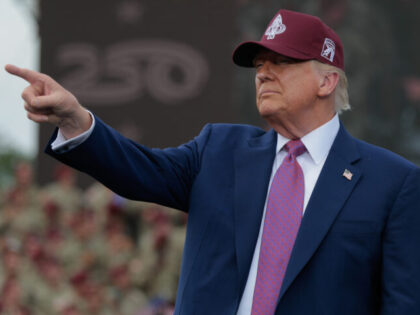
LONDON — The United States and China have agreed to a new trade framework aimed at restoring a stalled truce and stabilizing key economic ties. The agreement, reached during two days of talks at Lancaster House in London, includes provisions on critical mineral exports, tariff levels, and Chinese student access to U.S. universities.
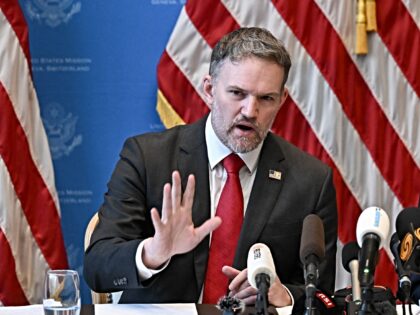
LONDON — High-level trade negotiations between the United States and China resumed on Tuesday, as both sides seek to ease tensions over technology exports and critical mineral shipments.

Commerce Secretary Howard Lutnick, Treasury Secretary Scott Bessent, and Trade Representative Jamieson Greer met with high-level Chinese officials in London on Monday to seek a resolution to the trade dispute between the world’s two largest economies.
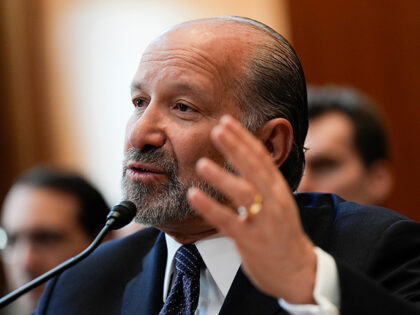
President Donald Trump will come out on top when it comes to the feud with Elon Musk, who has a fundamental issue with the commander-in-chief’s position on tariffs. However, Trump is “committed to his trade agenda and making deals”— just like he did with the United Kingdom — Breitbart News’s Washington Bureau Chief Matthew Boyle said during an appearance on BBC, noting that other world leaders should look to British Prime Minister Keir Starmer as an example of how to work with Trump on this front.
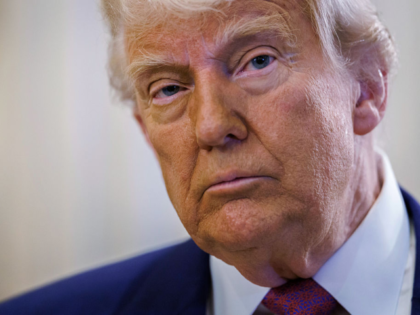
The One Big Beautiful Bill Act isn’t a break from conservative economic thought. It’s a return to first principles: a belief that growth, not austerity, is the engine of prosperity.
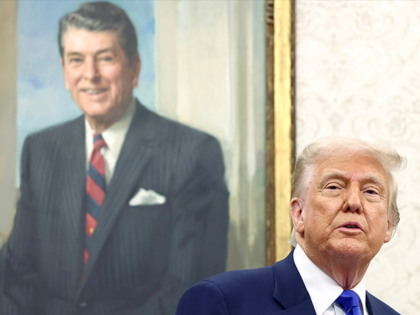
Tariffs aren’t just tools of trade. They’re instruments of tax reform. And in the hands of a new generation of economic nationalists, they’re poised to become something more: a new foundation for American prosperity.
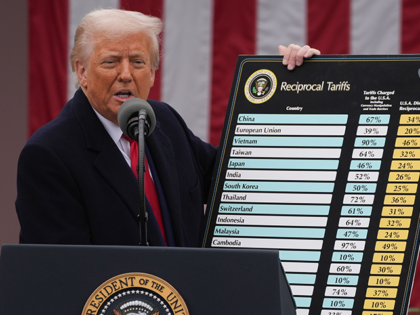
President Donald Trump confirmed plans on Thursday to visit China as soon as possible — and to host genocidal Chinese dictator Xi Jinping in America, as well.
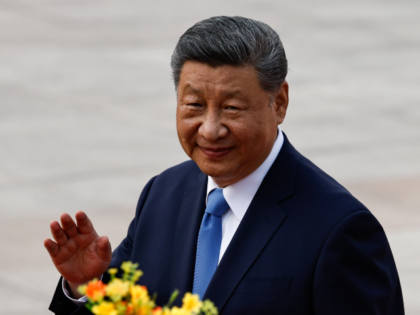
“We’re going to solve a lot of problems together,” Trump said. “And we’re going to do it very soon.”
President Trump’s policy combination of renewed tariffs and extended tax cuts amounts to a reallocation of the tax burden away from domestic work and production and toward imported goods and global supply chains.
The revenue from the tariffs would more than offset projected losses from tax cuts.
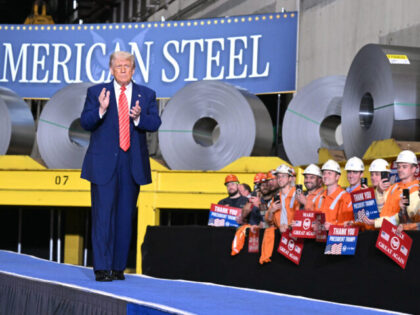
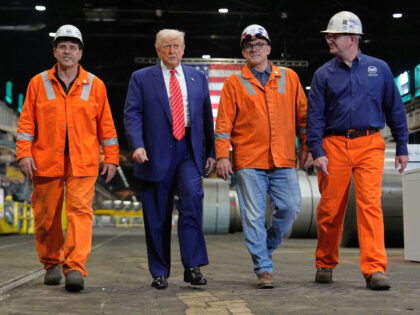
President Donald Trump has not doubled tariffs on steel imports from the United Kingdom despite raising them to 50 percent for countries around the world.
Ecuador’s Production and Foreign Trade Ministry announced on Monday all packages shipped from China by companies such as Temu and Shein under a specialized personal courier shipping modality will be subject to a $20 tariff.

If Christopher Waller’s view prevails at the Fed, it will mean that Washington no longer has to choose between stable prices and national economic strategy. Tariffs can be a tool, not a threat.
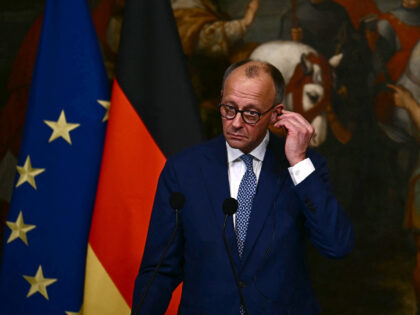
German Chancellor Friedrich Merz will travel to Washington next week to meet U.S. President Donald Trump, with the war in Ukraine and trade tensions among the items on the agenda, the German government said Saturday.
Trump’s trade actions are not outside the law—they are exactly what the law was designed to enable.