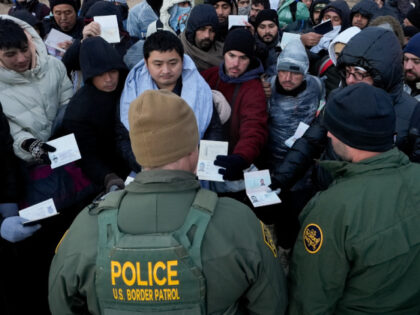
The U.S. Conference of Catholic Bishops (USCCB) has released a statement denying “false claims” that Catholic nonprofit organizations are complicit in human trafficking, smuggling, harboring, or child exploitation across the country’s southern border.
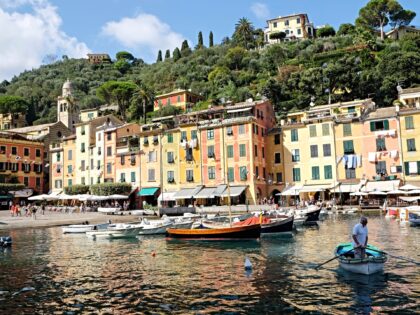
A police crackdown on unauthorized air conditioning units in the seaside Italian resort town of Portofino has ignited local “vendettas” as neighbors spy and report on one another for the infraction, local media report.
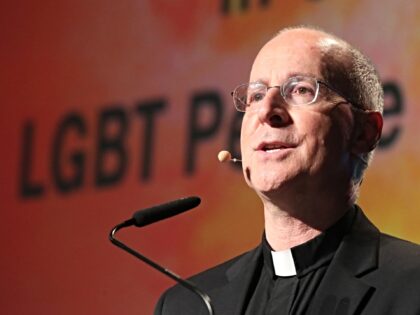
Openly gay priest Father William McNichols has created a new icon of Pope Francis kissing Jesus Christ’s feet for Father James Martin’s August LGBT outreach event.
A report released Monday by USC’s Understanding America Study (UAS) suggests that the use of hyperbolic terms to describe global warming has no effect on people’s perceptions of the urgency of climate change.
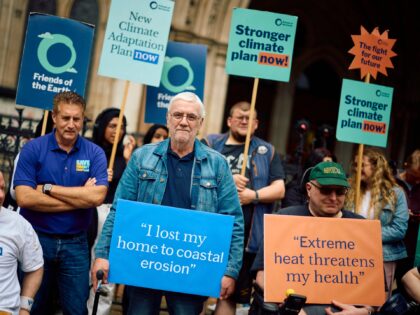
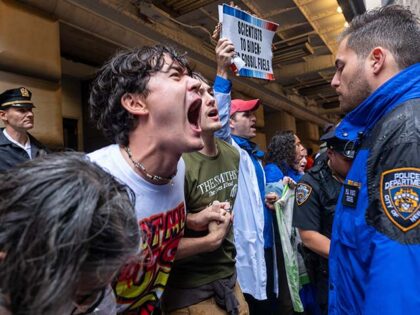
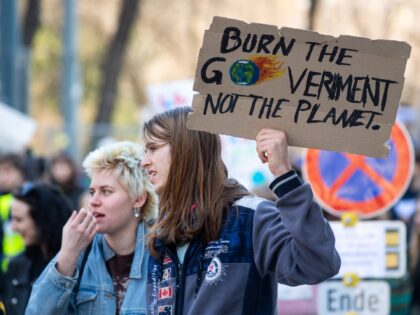
Anti-global warming organizations and agitators have been falling over themselves to endorse Democrat presidential candidate Kamala Harris, insisting her record of green-friendly activism speaks for itself.
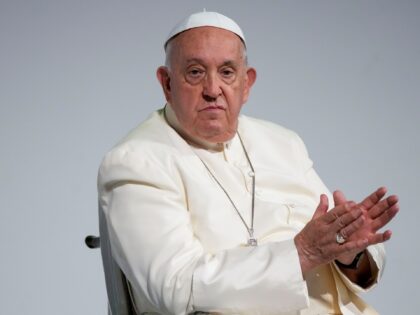
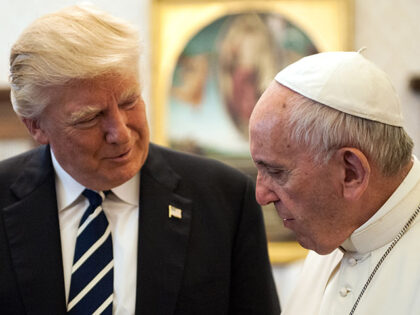
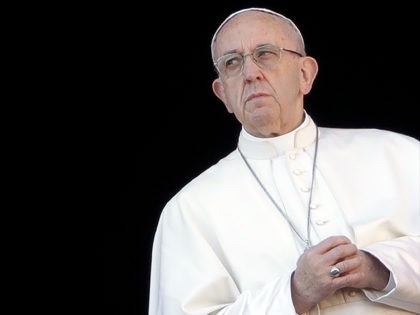
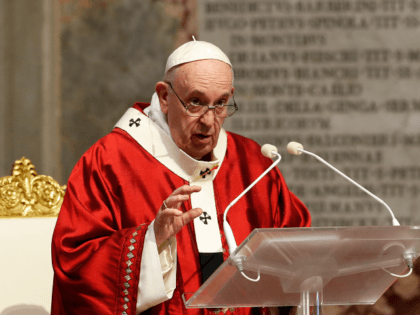
Pope Francis prayed Sunday for the victims of the 1945 atomic bombing of the cities of Hiroshima and Nagasaki, a topic he has returned to on numerous occasions.
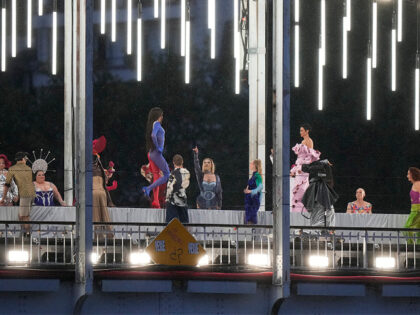
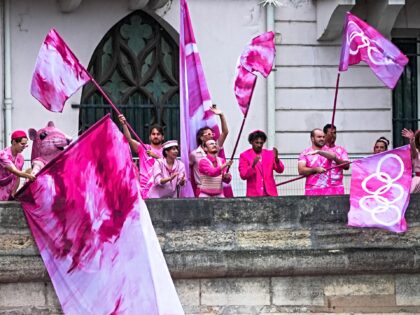
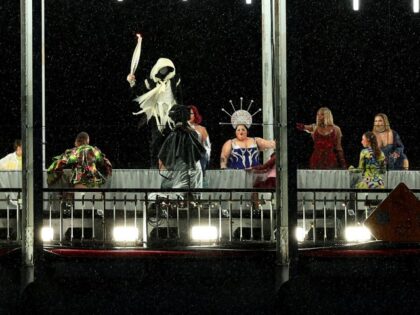
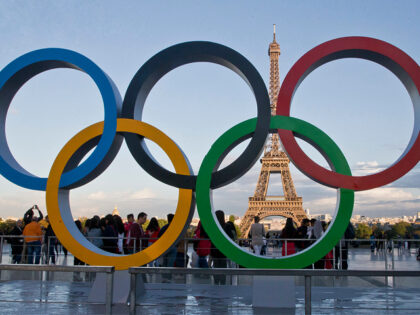
The Vatican said this weekend it was “saddened” by the drag queen parody of the Last Supper on display during the July 26 opening ceremony of the Paris Olympics, after critics complained loudly over the Vatican’s silence on the matter.
Organizers of the opening ceremony for the 2024 Paris Olympic Games have issued a non-apology apology for any offense “taken” by Christians from a drag queen parody of Jesus’ Last Supper.
The French bishops have released a statement expressing their consternation over the anti-Christian parody of the Last Supper at the opening ceremony for the 2024 Olympic Games in Paris Friday night.
Minnesota Bishop Robert Barron has denounced the drag queen parody of the Last Supper for the opening ceremony of the Paris Olympics as a “gross mockery” of Christianity.
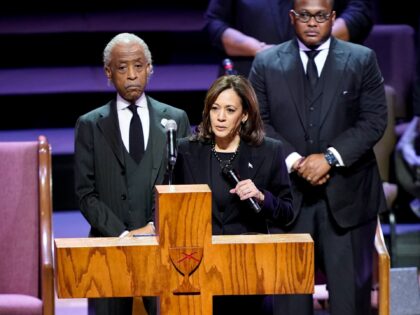
Catholic League president Bill Donohue pointed out Thursday that Kamala Harris got the nod as Joe Biden’s VP because she was a black woman, which is the very definition of a DEI hire.
Democratic presidential candidate Kamala Harris has come under fire from a number of faith-based groups for her well-known record of “anti-Catholic bigotry.”
Climate alarmists are lamenting July’s warm weather, asserting that earth saw its hottest day on record this week and likely “the hottest day in thousands of years.”
Climate and environmental activists warn a possible second presidential term for former President Donald Trump poses an “extreme” threat to animals and must be fought tooth and nail.
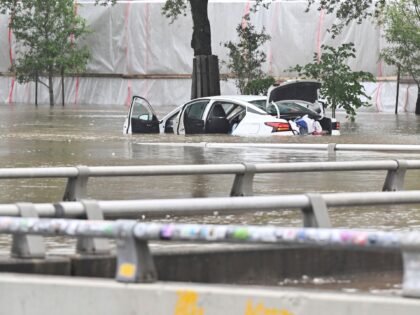
Climate-fueled weather disasters in Texas are tied to “a government hostile to the very concept of climate change,” Bloomberg Opinion editor Mark Gongloff declared Tuesday.
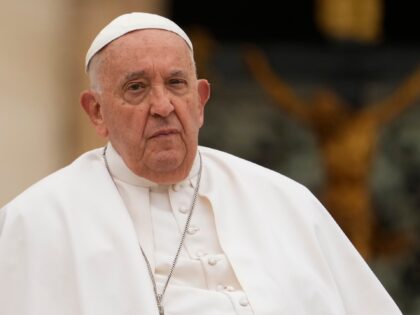
ROME — Pope Francis warned Sunday democracy is in “crisis” around the world, likely with an eye to a rise in right-wing parties across Italy, Austria, Argentina, Netherlands, and Germany.
Leaders of the Church of England have been scrambling to assure the faithful that their proposed £1 billion fund for slavery reparations will not come from donations to parishes.
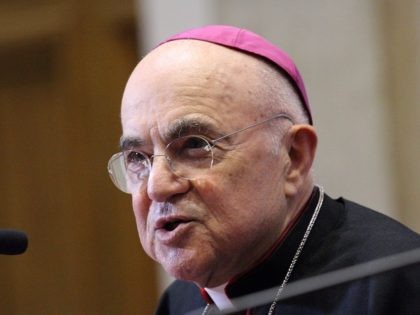
The Vatican’s doctrinal office has found former papal nuncio Archbishop Carlo Maria Viganò guilty of “schism,” declaring him excommunicated from the Catholic Church.
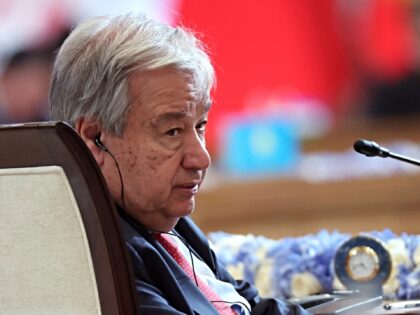
United Nations Secretary-General António Guterres warned of the evils of climate change Thursday, urging “greater ambition” to move away from fossil fuels.
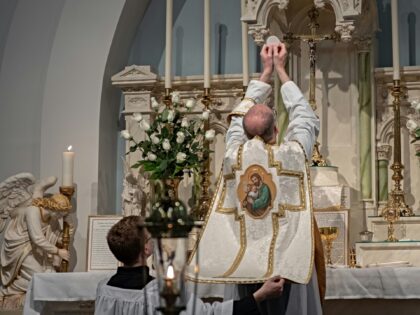
ROME — San Francisco Archbishop Salvatore Cordileone has thrown his support behind a petition for mercy on the Traditional Latin Mass (TLM) launched by a group of prominent UK personages.
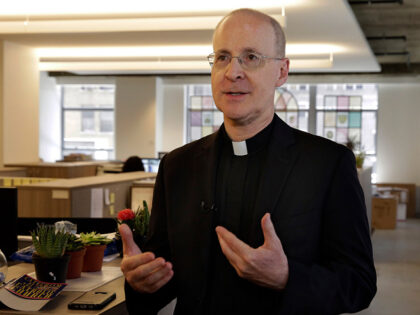
Jesuit Father James Martin has blasted the Supreme Court for its immunity ruling, warning that “the President can now order the execution of his political enemies.”
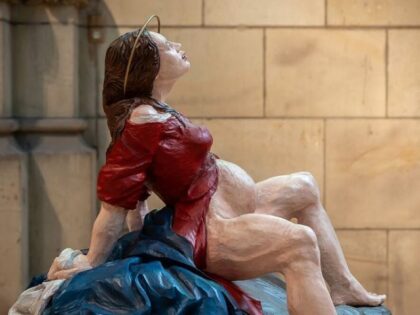
An unidentified vigilante sawed off the head of a provocative sculpture of the Virgin Mary in the act of giving birth to Jesus that had been exhibited in the Catholic cathedral in the Austrian city of Linz.
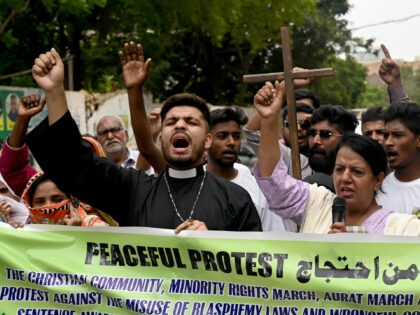
Pakistan’s anti-terrorism court has sentenced young Christian Ehsan Shan to death for allegedly reposting a blasphemous image of a desecrated Quran on social media.
The Vatican announced Monday that Pope Francis will canonize eleven Christians hacked to pieces by radical Muslims in 1860 rather than renounce their faith in Jesus.
Former Vatican emissary Archbishop Carlo Maria Vigano has refused to obey a summons to the Vatican to face charges of schism, restating he does not recognize Pope Francis as the head of the Catholic Church.
Father Mikah Suleiman was abducted by armed gunmen in northwest Nigeria this weekend, the third such kidnapping of a Christian pastor in the past month.