Trump Calls for Qatar, Saudi Arabia, Others to Join Abraham Accords
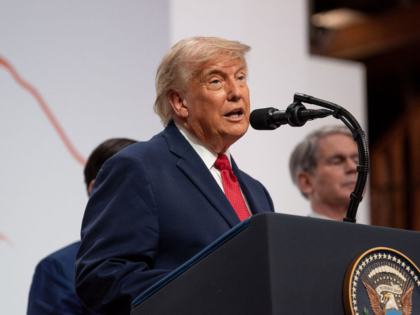
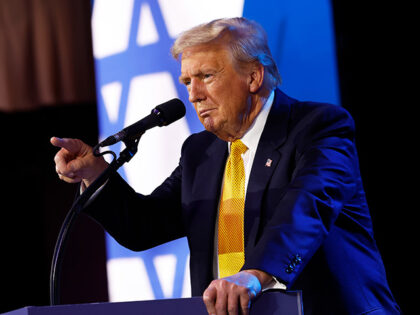
President Donald Trump is calling on Qatar, Saudi Arabia, and other Middle East countries to join the Abraham Accords amid progress in negotiations toward a deal with Iran.
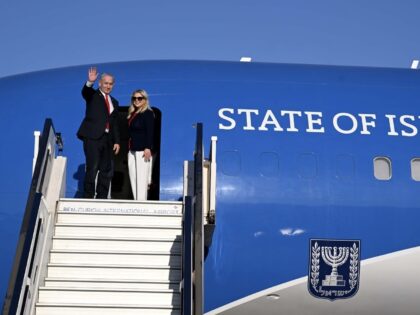
President Donald Trump is calling on Qatar, Saudi Arabia, and other Middle East countries to join the Abraham Accords amid progress in negotiations toward a deal with Iran.

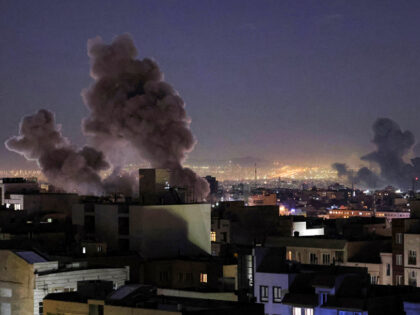
President Donald Trump on Sunday forcefully defended the emerging U.S.-Iran peace framework as “THE EXACT OPPOSITE” of former President Barack Obama’s nuclear deal, insisting Tehran would receive no sanctions relief or economic concessions unless it surrendered its enriched uranium and permanently abandoned any path toward a nuclear weapon as negotiators worked to finalize what administration officials described as a nearly completed agreement.

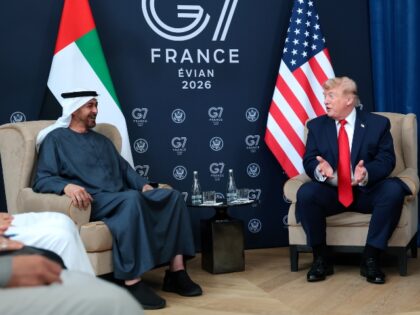
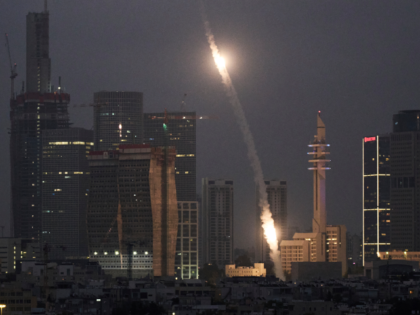
A report from Axios on Sunday claimed Israel deployed its famed Iron Dome defense system to the United Arab Emirates (UAE) early in Operation Epic Fury, and the system was able to intercept many of the missiles and drones Iran launched at its neighbor.

Israel quietly deployed its Iron Dome air defense system along with dozens of IDF troops to the United Arab Emirates in the early days of the Iran conflict, according to reporting, marking the first operational use of the system outside Israel and the United States as Tehran unleashed a sustained and intense missile and drone barrage against the Gulf state.

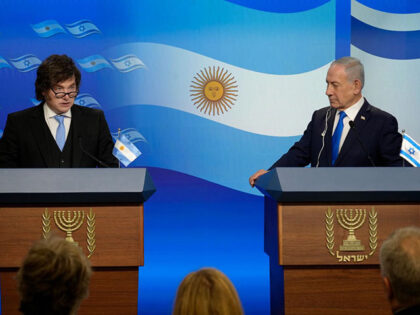
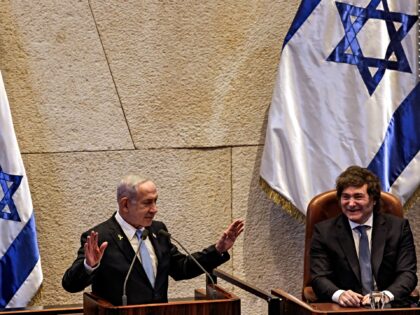
President of Argentina Javier Milei and Israeli Prime Minister Benjamin Netanyahu on Sunday launched the “Isaac Accords,” a new strategic framework aimed at strengthening cooperation between Argentina, Israel and like-minded partners in the Western Hemisphere.

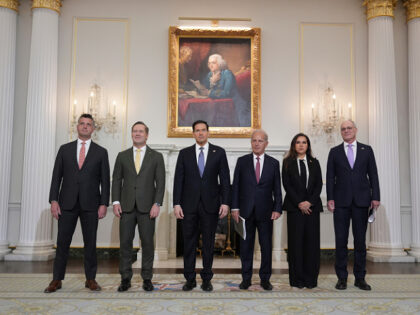
Secretary of State Marco Rubio called it a “historic opportunity” as Israel and Lebanon launched what officials described as their first direct talks in more than four decades on Tuesday, with envoys signaling they are “on the same side” against Iran-backed Hezbollah and expressing cautious optimism the effort could lay the groundwork for a durable peace.

Joe Kent’s resignation from his national security post over opposition to military action against Iran follows earlier public statements in which he warned about threats posed by the country and supported striking its ballistic missile and nuclear capabilities.

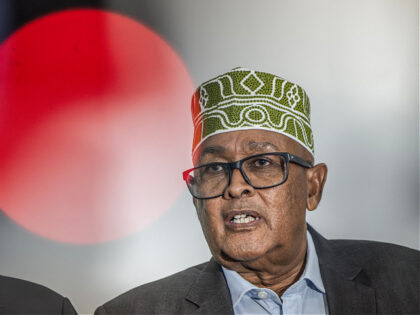
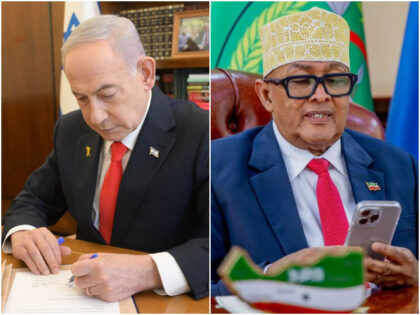
Somaliland President Abdirahman Mohamed Abdullahi said his nation is ready to enter into a full security and economic partnership with the United States, arguing that it occupies what he called “perhaps the most strategically positioned territory in the region” — positioned along a maritime corridor that carries 30 percent of global container traffic, with abundant critical minerals and a stable, pro-Western foothold in a volatile corner of the world.

Israel formally recognized Somaliland as an independent and sovereign state on Friday, with Prime Minister Benjamin Netanyahu calling the move “historic” and saying it reflects a shared commitment to stability, peace, and regional cooperation “in the spirit of the Abraham Accords.”

Israel’s Knesset Speaker Amir Ohana and House Speaker Mike Johnson on Tuesday unveiled what they called a first-of-its-kind global parliamentary bid to nominate President Donald J. Trump for the 2026 Nobel Peace Prize, declaring that “no one has ever deserved that honor more” and that “no person in the world has done more for peace over the past year.”

Argentine President Javier Milei formally launched the “Isaac Accords,” declaring Argentina would serve as a “pioneer” with the United States in advancing a new regional framework to expand political, economic, and cultural cooperation with Israel.

President Donald Trump appears to have suffered two diplomatic disappointments this month, as first Syria and then Saudi Arabia chose not to join the Abraham Accords.

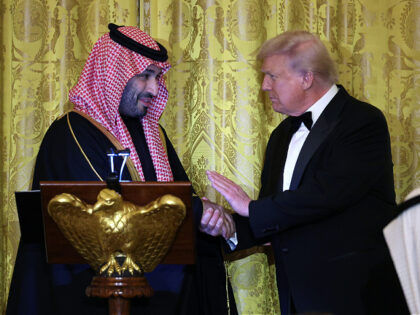
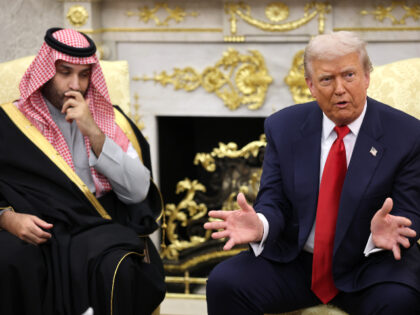
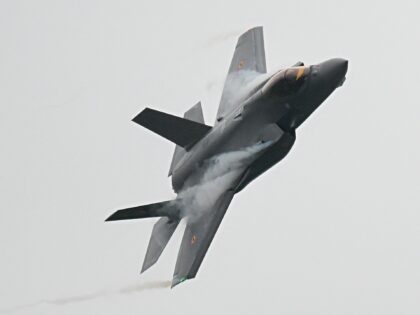
U.S. President Donald Trump said Saudi Arabia “should get top of the line” F-35 fighter jets “pretty similar” to Israel’s during an Oval Office meeting with Crown Prince Mohammed bin Salman, adding that Jerusalem is “aware” of the emerging deal and “is going to be very happy” as the two also discussed Riyadh potentially joining the Abraham Accords.

President Donald Trump’s meeting with Saudi Crown Prince Mohammed bin Salman leaves nuclear power and the Abraham Accords unresolved.

Crown Prince Mohammed bin Salman, chief executive of Saudi Arabia, meets with President Donald Trump at the White House on Tuesday.

IIsrael is pressing the Trump administration to condition any sale of advanced F-35 stealth fighter jets to Saudi Arabia on Riyadh agreeing to normalize relations with Jerusalem and join the Abraham Accords.

Syrian Information Minister Hamza al-Mustafa announced on Monday that his country signed a “political cooperation declaration” with the U.S.-led Global Coalition to Defeat ISIS, becoming a “partner in combating terrorism and supporting regional stability.”

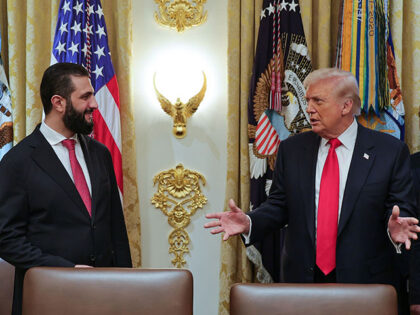
President Donald Trump hinted that Syria could possibly join several agreements, which included joining an anti-ISIS coalition and the Abraham Accords, after meeting with Syrian President Ahmed al-Sharaa on Monday.

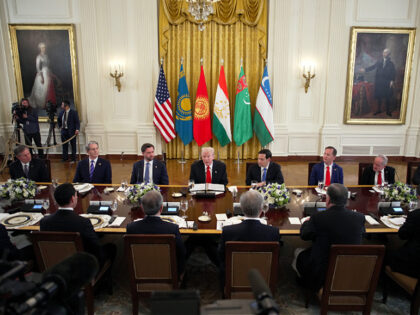
Kazakhstan is becoming the newest participant in the Abraham Accords, with President Donald Trump indicating that additional countries are preparing to enter the agreements as well.

Following what many in Israel considered a snub by the Nobel Committee on Friday, after it awarded the Peace Prize to Venezuelan opposition leader María Corina Machado, Israel Prize laureate Ronny Douek formally nominated U.S. President Donald J. Trump for the country’s highest civilian honor, hailing him as “a leader who, more than any other in our generation, has proven through his actions an unwavering commitment to Israel’s security and to peace in the Middle East.”

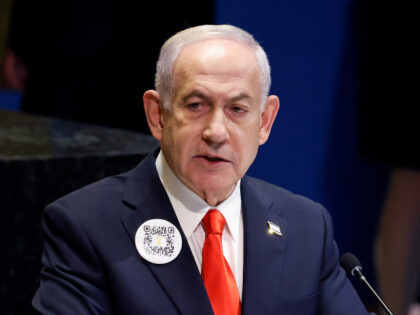
Israeli Prime Minister Benjamin Netanyahu declared in his address to the United Nations General Assembly Friday that “the long-suffering Iranian people will regain their freedom” and “make Iran great again,” predicting that the Middle East will look “dramatically different” in the years ahead.

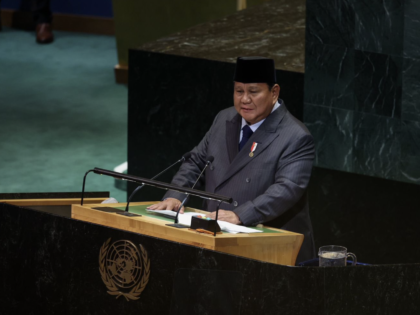
Indonesian President Prabowo Subianto, who leads the world’s most populous Muslim nation, surprised observers by calling for peace and security for the Jewish state of Israel in his speech Wednesday at the opening of the United Nations General Assembly in New York.

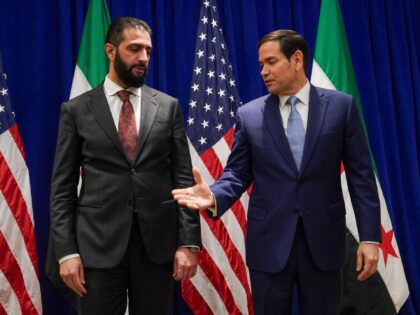
Secretary of State Marco Rubio met with Syria’s interim President Ahmed al-Sharaa, the head of the jihadist organization Hayat Tahrir al-Sham (HTS), on the sidelines of the U.N. General Assembly (UNGA) in New York City on Monday.

President Donald Trump is reportedly weighing a sweeping postwar plan for Gaza that would place the territory under American trusteeship for a decade, rebuild the enclave through massive public and private investment, transform it into a Middle Eastern tourism and economic hub, and offer Palestinians voluntary relocation packages to help them restart their lives.

Israeli Prime Minister Benjamin Netanyahu extended an olive branch to Lebanon on Monday, reacting positively to a decision earlier this month by the Lebanese government to disarm Hezbollah.

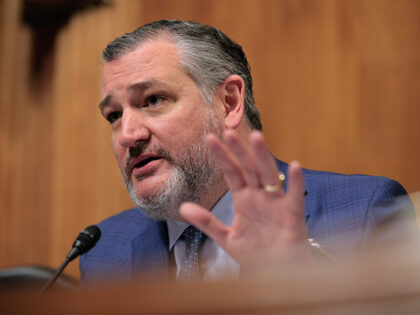
U.S. Sen. Ted Cruz (R-TX), chairman of the Senate Foreign Relations Subcommittee on Africa and Global Health Policy, has formally urged President Trump to recognize the Republic of Somaliland as an independent state, citing its pro-Israel stance, democratic stability, and strategic importance in countering Chinese influence in the Horn of Africa.

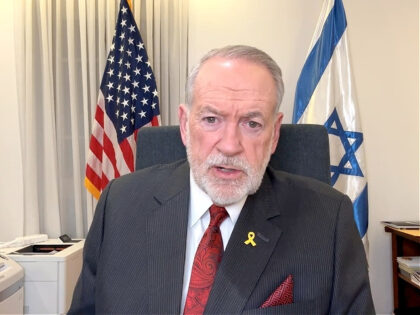
Former Arkansas Gov. Mike Huckabee, current U.S. Ambassador to Israel, said that Americans might be surprised at the list of nations to join the Abraham Accords in the future.

Israeli Prime Minister Benjamin Netanyahu declared Thursday that Israel “intends to” take full control of the entire Gaza Strip to eliminate Hamas and transfer authority to non-hostile Arab forces, outlining his most comprehensive vision yet for ending the war as his security cabinet met to approve the operation.

President Donald Trump told Breitbart News exclusively last week that when he finishes the objective of making America great again he will leave behind “a much more peaceful nation” and a more “peaceful world.”

Israel expects a consortium of Gulf Arab states to administer Gaza, once the Israeli military has completely uprooted Hamas and the remaining Israeli hostages are returned home, according to a senior Israeli official.

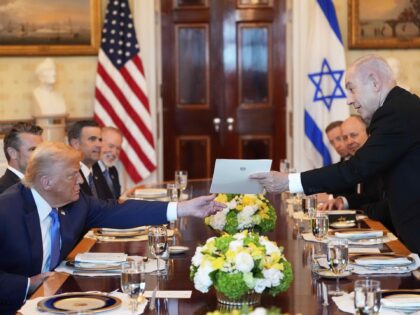
Israeli Prime Minister Benjamin Netanyahu informed U.S. President Donald Trump during a dinner at the White House on Monday night he had nominated him for the Nobel Peace Prize for his Middle East policies.

Muslim leaders from across Europe met with Israeli President Isaac Herzog in Jerusalem to promote a message of peace on Monday.

Israeli Prime Minister Benjamin Netanyahu arrived in Washington, DC early Monday morning for meetings with President Donald Trump that could prove to be fateful for Israel, the Middle East, and indeed the world.

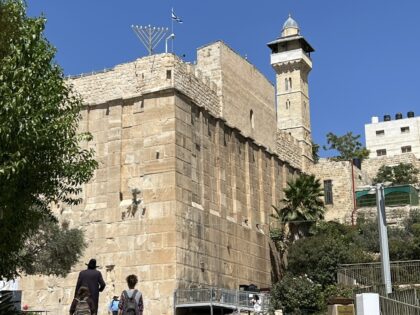
A group of Palestinian sheikhs in the holy city of Hebron has written to the Israeli government formally asking to be given sovereignty over the area as an emirate, and not as part of a larger Palestinian state.

A billboard has gone up in Tel Aviv, Israel, depicting Israeli and Arab leaders — including the Palestinians — uniting in peace, with President Donald Trump leading the throng.

Israeli foreign minister Gideon Sa’ar revealed Monday on CNBC that Israel is, in fact, seeking a peace deal that includes Syria and Lebanon — but would not negotiate away the Golan Heights.

Saudi King Salman bin Abdulaziz Al Saud has reportedly given 1,000 Palestinian relatives of terrorists a free trip to participate in the Mecca pilgrimage, raising eyebrows as the kingdom considers peace with Israel.

The threat of a nuclear Iran has been one of the most urgent problems in national security for the past 20 years. The Israeli government was raising alarms about Iran’s nuclear intentions 30 years ago, but it took several more

U.S. President Donald Trump and Israeli Prime Minister Benjamin Netanyahu are putting together a comprehensive Middle East peace plan, beginning with an end to the war in Gaza within two weeks.

The end of the Iranian regime is the prerequisite for a Middle East in which the U.S. no longer has to fight “forever” wars.