Chernobyl and Zaporizhzhia Nuclear Plants Go Dark After Russian Bombings
The Ukrainian Ministry of Energy reported on Tuesday that a blackout at the infamous Chernobyl nuclear power plant (NPP) was caused by Russian air attacks.
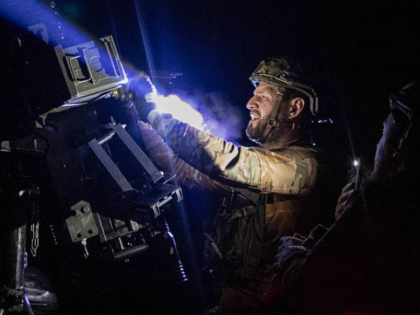
The Ukrainian Ministry of Energy reported on Tuesday that a blackout at the infamous Chernobyl nuclear power plant (NPP) was caused by Russian air attacks.
The United Nations Security Council adopted “snapback” sanctions on Iran on Saturday, due to the regime’s refusal to cooperate on nuclear monitoring, restoring sanctions to where they were before President Barack Obama’s deal.
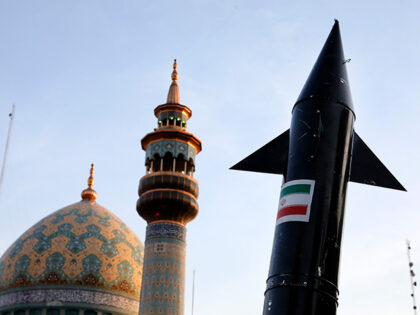
Iranian President Mahmoud Pezeshkian, who is subservient to “supreme leader” Ayatollah Ali Khamenei, spent much of his Wednesday meeting with European leaders, pressuring them not to implement “snapback” measures that would restore sanctions on his country over its illicit nuclear development.
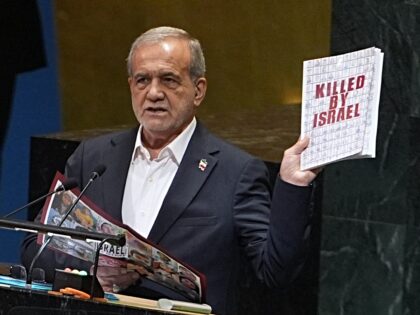
The Chinese Foreign Ministry on Friday condemned France, Germany, and the United Kingdom for invoking the “snapback” provision of the Iran nuclear deal, beginning a 30-day countdown for United Nations sanctions to resume against Iran.

Rafael Grossi, the director-general of the International Atomic Energy Agency (IAEA), confirmed this week that he would campaign to become the next secretary-general of the United Nations in 2026.
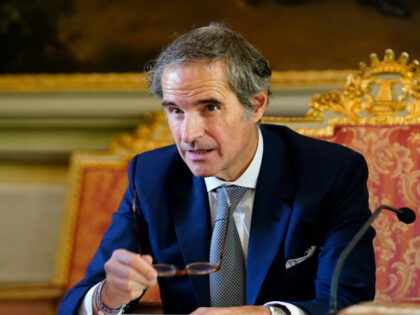
The E3 nations – France, Germany, and the United Kingdom – initiated the process of imposing “snapback” sanctions on Iran at the United Nations on Thursday.
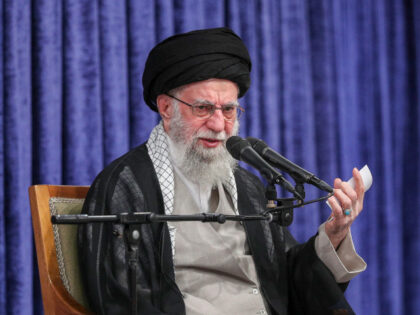
A senior official with the International Atomic Energy Agency (IAEA), the United Nations’ nuclear watchdog body, is expected to land in Tehran on Monday for talks with the rogue Islamist regime – less than two months after Iran outlawed cooperation with the agency.
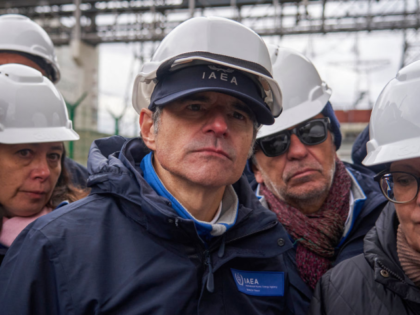
Iranian Foreign Minister Abbas Araghchi suggested in a letter to senior United Nations leaders, Iranian media reported on Monday, that the heads of France, Germany, and the United Kingdom “be held to account in international criminal tribunals as defendants for complicity in war crimes” for their support of Israel.
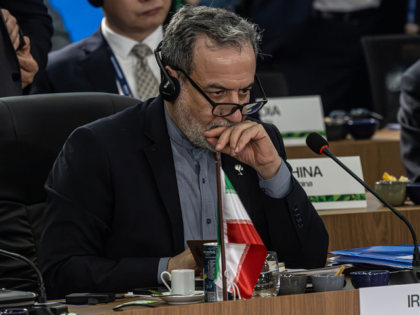
Iranian Foreign Minister Abbas Araqchi said on Tuesday that the uranium enrichment facility at Fordow was “seriously and heavily damaged” by U.S. bombers on June 21. He said Iranian officials are still assessing the full extent of the damage.
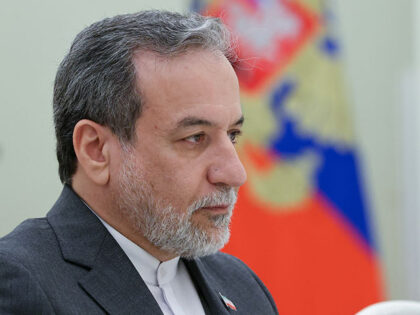
President Masoud Pezeshkian of Iran, who is subordinate to elderly “supreme leader” Ayatollah Ali Khamenei, signed a parliamentary bill into law on Wednesday ending all cooperation with the International Atomic Energy Agency (IAEA).
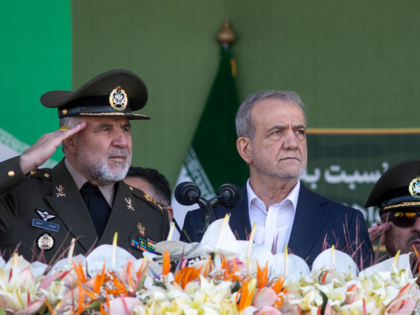
Maj. Gen. Yahya Rahim-Safavi, senior military adviser to Iranian Supreme Leader Ayatollah Ali Khamenei, on Monday claimed Iran was capable of far more devastating retaliatory strikes against the U.S. and Israel than it has been able to launch thus far, and Iran is ready to attack targets beyond the Middle East if necessary.
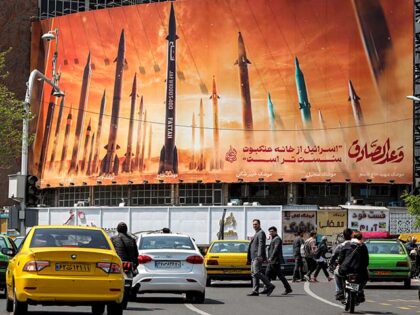
International Atomic Energy Agency (IAEA) Director-General Rafael Grossi said on Sunday that Iran could conceivably resume enriching uranium in a “matter of months,” although he resisted putting an exact timetable on the resurrection of Tehran’s nuclear weapons program after U.S. and Israeli airstrikes.
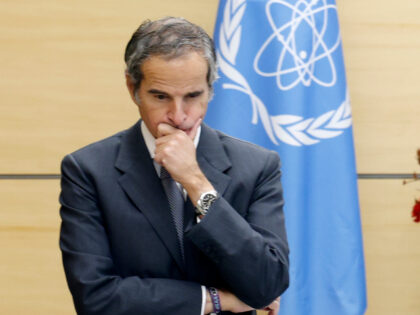
Iranian Foreign Minister Abbas Araghchi suggested in an interview on Thursday that Iran will be demanding “compensation for damages” to its illicit nuclear development sites in any future diplomatic engagements with America after President Donald Trump approved airstrikes targeting the facilities.
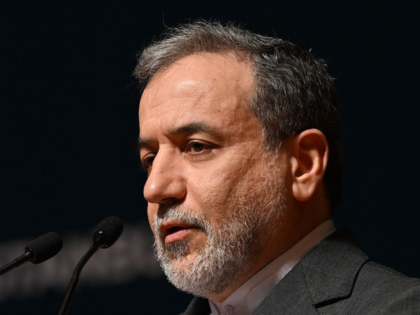
International Atomic Energy Agency (IAEA) Director-General Rafael Grossi said on Thursday that Iran’s heavily-fortified uranium enrichment plant at Fordow is “no longer operational” after a massive U.S. airstrike.
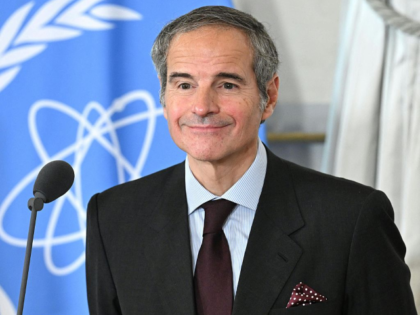
Iranian officials chanted “Death to America” as they voted to expel nuclear inspectors and accelerate uranium enrichment, following President Donald Trump’s bold strike on Tehran’s nuclear infrastructure — a move that also helped force a ceasefire and avert a prolonged regional war.
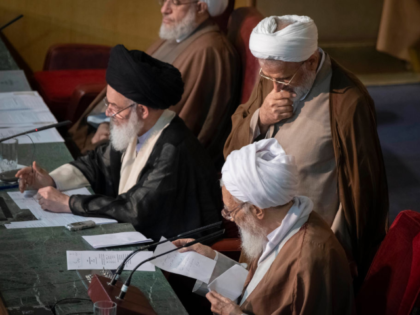
The Islamic theocracy of Iran stated on Wednesday that it would work to preserve its illicit nuclear program “under any circumstances,” denying that the American airstrikes on key uranium enrichment facilities had marked an end to its nuclear ambitions.
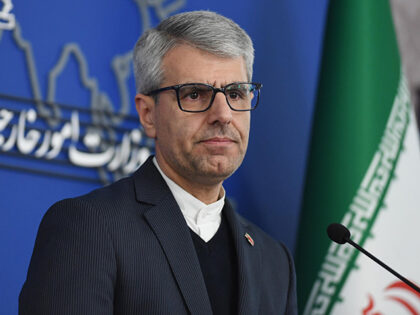
The IAEA does not know the whereabouts of Iran’s enriched uranium stash, which could include up to 900 pounds of near-weapons-grade material.
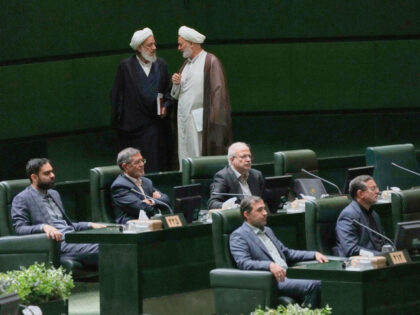
Iran’s rubber-stamp parliament greenlit legislation banning the International Atomic Energy Agency (IAEA) from working with the country.
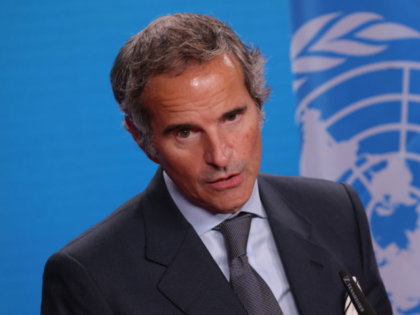
During an interview with the Fox News Channel aired on Tuesday’s broadcast of “The Story,” IAEA Director General Rafael Grossi said that Iran’s “nuclear program has been set back significantly.” And there’s a “night and day” difference between Iran’s nuclear program
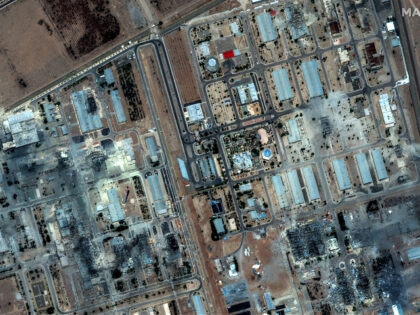
Iran claims it is already making plans to restore its nuclear industry after heavy airstrikes by Israel and the United States.
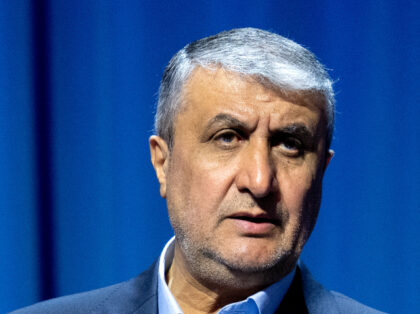
Ali Larijani, an advisor to Iranian “supreme leader” Ayatollah Ali Khamenei, threatened the head of the International Atomic Nuclear Agency (IAEA), Rafael Grossi, this weekend, vowing to “settle accounts” with him following the end of the current conflict.
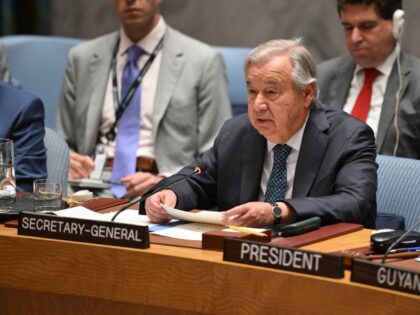
U.N. Secretary General Antonio Guterres swiftly condemned President Donald Trump’s strikes on Iran’s illegal nuclear weapons program as a “dangerous escalation” and a “direct threat to international peace and security.”
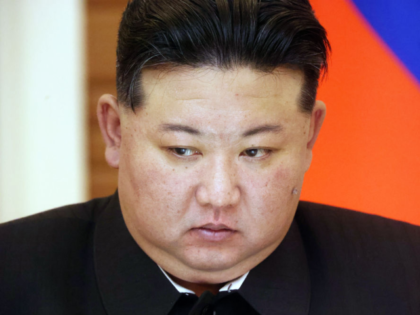
The Foreign Ministry of North Korea issued an enraged statement on Thursday in defense of its allies in Iran, declaring Israel a “cancer-like entity… destroying global peace and security” for its recent military operation hindering illicit nuclear development in neighboring Iran.
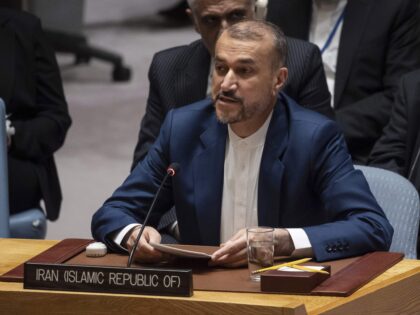
Iran has asked the United Nations Security Council to condemn Israel for attacking it — after Iran attacked Israel first, both directly and indirectly, for years, and violated UN obligations on nuclear non-proliferation.
Iranian Foreign Ministry spokesman Esmail Baghaei on Thursday blasted the U.N.’s International Atomic Energy Agency (IAEA) and its director, Rafael Grossi, for condemning Iran’s nuclear program.
On Wednesday’s broadcast of Fox News Radio’s “Guy Benson Show,” Rep. Ritchie Torres (D-NY) responded to arguments that Israel has warned of Iran being on the threshold of nuclear weapons many times before so they’re wrong now by pointing to

Rafael Grossi, director of the International Atomic Energy Agency (IAEA), on Friday offered to travel to Iran and assess the damage to its nuclear sites following Israel’s airstrikes.
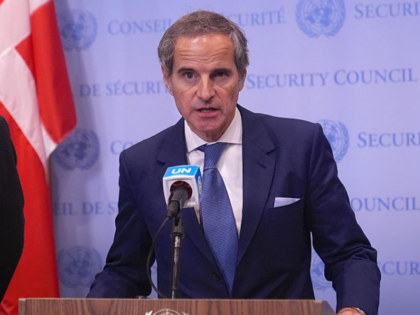
The Islamic Republic of Iran enthusiastically condemned the International Atomic Energy Agency (IAEA), a United Nations oversight body, on Thursday for passing a resolution condemning Iran’s illicit nuclear development — and announced plans to build a new uranium enrichment facility.
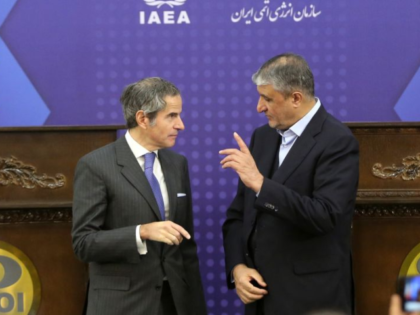
For the first time in nearly 20 years, the IAEA has formally declared Iran in breach of its nuclear non-proliferation obligations.
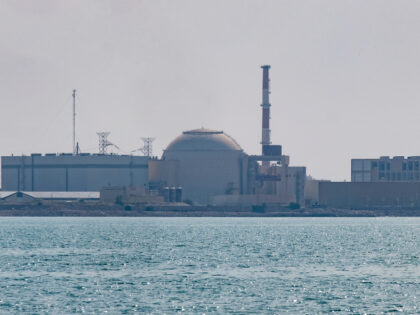
Iranian Defense Minister Aziz Nasirzadeh said Wednesday that Iran will attack American military bases across the Middle East if the U.S. or its allies take military action against Iran’s nuclear weapons program.
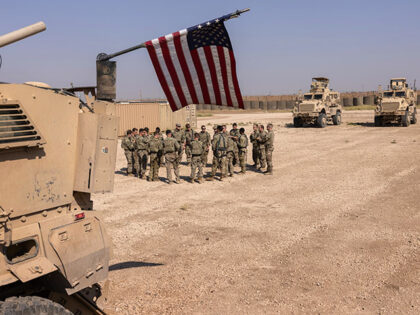
A delegation of the International Atomic Energy Agency (IAEA) concluded a six-day safety review of El Salvador’s site selection process for its first nuclear power plant, the agency announced on Monday.

A report by the International Atomic Energy Agency (IAEA) whose contents were revealed by multiple international media outlets this weekend expressed “serious concern” with the rapid rate of Iran’s uranium enrichment, which it reportedly claimed was enough to make one nuclear bomb a month in the past three months.
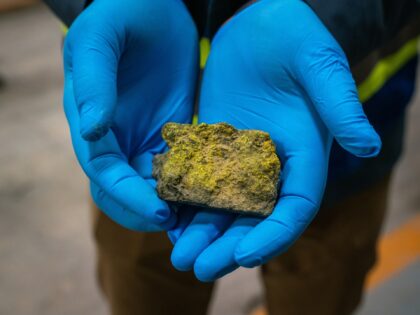
The Congressional Research Service (CRS) issued a report on Friday that found North Korea has produced enough fissile material — i.e. atomic bomb fuel — to build up to 90 nuclear warheads, a dramatic increase from the 20 to 60 warheads it was believed capable of building last year.
Iran is developing “boosted” nuclear warheads at a secret military site disguised as a chemical plant, according to intelligence presented by Iranian dissident group NCRI, which accuses Tehran of expanding its nuclear arsenal with hydrogen bomb capability.
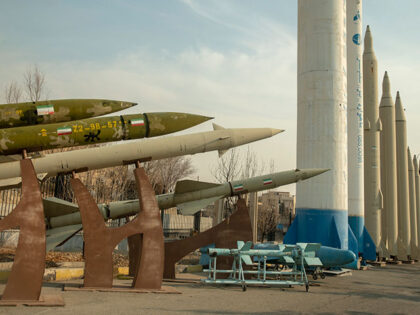
The head of the International Atomic Energy Agency (IAEA), Rafael Grossi, urged the world to engage North Korea in remarks this week, emphasizing the threat of having a nation with a “completely off the charts” nuclear arsenal.
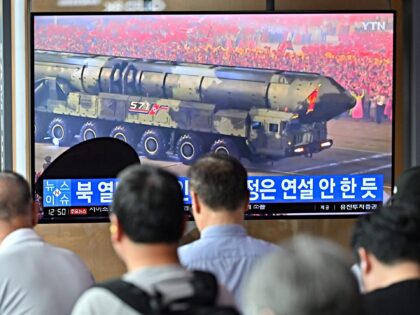
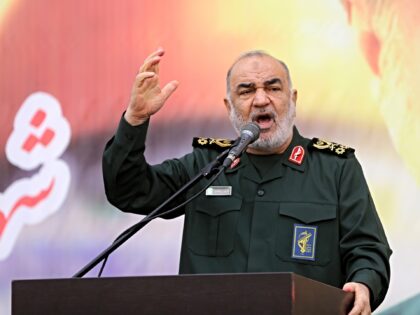
Gen. Hossein Salami, commander of Iran’s Islamic Revolutionary Guard Corps (IRGC), said on Monday that Iran will respond “decisively and destructively” to any act of U.S. “aggression.”
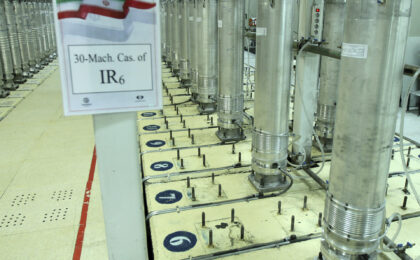
The International Atomic Energy Agency (IAEA) said Wednesday that Iran has accelerated its enrichment of uranium since the election of President Donald Trump in November, apparently racing toward a nuclear weapon before he can stop it.
Iranian Foreign Ministry Abbas Araghchi on Wednesday claimed President Donald Trump’s policy of “maximum pressure” against Iran’s nuclear ambitions was a “failure” during Trump’s first term, and would fare no better during his second.

The Iranian regime has “intensified” its secretive development of nuclear detonators at covert facilities, the National Council of Resistance of Iran (NCRI) revealed, citing intelligence that exposes alarming advancements in weaponization technologies.
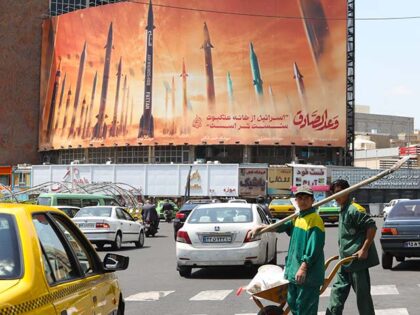
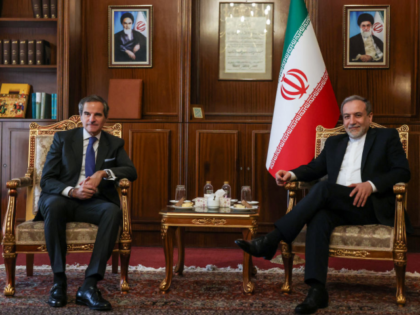
Iranian officials signaled they might be willing to return to nuclear negotiations under the second Trump administration after meeting with International Atomic Energy Agency (IAEA) Director-General Rafael Grossi in Tehran last week.