Private Payrolls Soar: 202,000 Jobs Added In December
The U.S. private sector added 202,000 positions in December, according to an estimate from ADP and Moody’s Analytics.

The U.S. private sector added 202,000 positions in December, according to an estimate from ADP and Moody’s Analytics.
The bottom 25 percent of American wage earners secured the largest wage hikes year-to-year compared to all others for November, newly released data reveals, thanks to President Trump’s tightening of the United States labor market.
Another sign that the economy is finding a firmer footing as we move away from the summer of 2019’s imaginary recession.

The imaginary recession of 2019 is over.

Jobless claims fall back down toward record lows.
The U.S. labor market displays surprising strength going into the holiday season.

The labor market continues to show signs of strength, supporting consumer spending and ongoing economic growth.
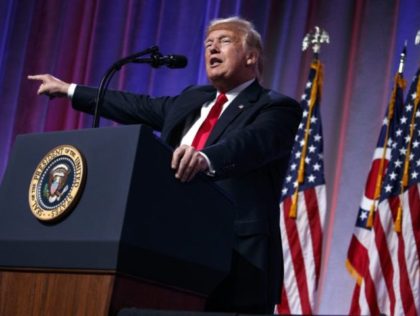
In a speech to a busines group in New York, Trump touted rising wages as “great for our country.”

The strike by workers at General Motors plants across the country is the clearest demonstration of a shift in the U.S. economy that began nearly two years ago.
Fewer women get married when fewer men earn a decent salary in an unstable economy, says a study from Cornell University.

Jobless claims fell to a seasonally adjusted 209,000 for the week ended August 17, suggesting recession fears are overblown.

Elaine Parker of Job Creators Network writes at Fox News that the $15 federal minimum wage bill passed in the House would lead to lay-offs and sabotage young Americans just entering the workforce.

Elaine Parker writes about how the emphasis on four-year liberal arts colleges creates a gap in the labor market by neglecting to promote the attainment of valuable skills that could be taught for less money by vocational or trade schools.
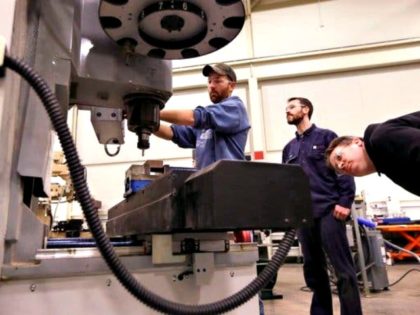
The picture of the economy painted by the Fed’s Beige book is a little brighter than it was earlier this year.

More than 12 million Americans have remain sidelined from the U.S. workforce despite their wanting full-time employment, federal data suggests.
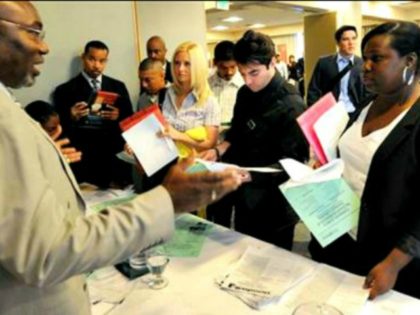
Job growth picked up in March after a dismal February.

Economists had expected jobless claims to fall to 225,000. Instead, they fell all the way down to 216,000.
President Trump is reversing his campaign commitment to reduce overall legal immigration levels to the United States and thus raise the wages of America’s working and middle class, as he is now demanding more immigration.
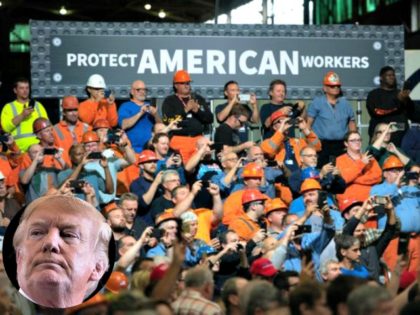
The New York Times said on November 2 that President Donald Trump’s high-pressure economy “is the best time for the American labor market in at least 18 years and maybe closer to 50.”
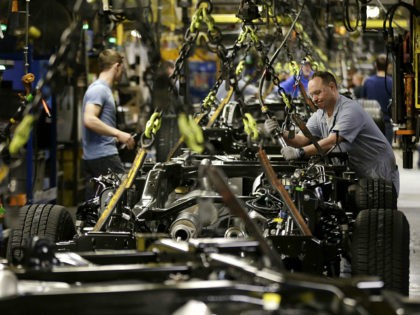
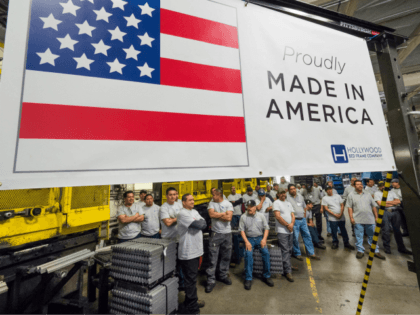
The United States has not seen an October this strong for manufacturing employment since before the turn of the century.
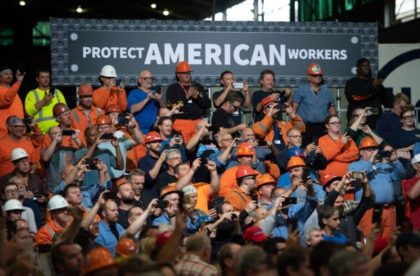
Layoffs remain ultralow, defying predictions that the trade war with China would weigh on the U.S. labor market.
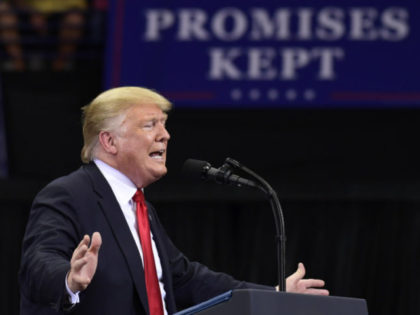
The most job openings ever. And for the fifth month in a row, more jobs than unemployed workers.

Multinational tech corporation Amazon has increased its minimum wage for its workers to $15 an hour, a benefit of President Donald Trump’s tightened labor market.
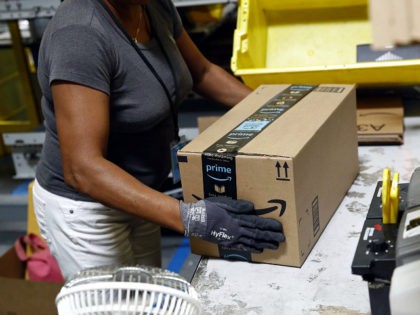
First-time claims for state unemployment benefits came in at 201,000, down from 204,000 in the previous week. Economists had predicted a rise to 210,000.

Economists had expected 213,000 jobless claims, level with the prior week.

No signs of net job losses due to the trade dispute with China.
Initial claims for state unemployment benefits rose by 1,000 last week to a seasonally adjusted 218,000. Economists had forecast 220,000.

President Donald Trump’s increasingly tight labor market, through strict immigration enforcement, is delivering jobs for Americans with disabilities in the south suburbs of Chicago, Illinois.
Nearly half of Americans now say that illegal immigration to the United States reduces wages of the working and middle class, a new poll finds.
New filings for unemployment benefits fell by 4,000 to 218,000. Economists had expected a rise to 225,000.

Fed officials appear to be convinced that tax cuts and the recent federal budget agreement would add to economic growth. Tariffs on steel and aluminum were not seen as threatening, although federal officials did worry about foreign retaliation.
“Despite the modest retreat in confidence, the index levels remain historically high and suggest further strong growth in the months ahead,” said Lynn Franco, director of Economic Indicators at The Conference Board.

Wages for UK workers grew at their fastest rate in more than two years in January, and unemployment has fallen back down to historic lows, the Office of National Statistics (ONS) has revealed.

Nonfarm payrolls soared in February, rising by 313,000 jobs vs. 200,000 expected by economists. Unemployment remained at 4.1 percent.

“The job market is red hot and threatens to overheat,” Mark Zandi, chief economist at Moody’s, said in a statement.

Economists had been expecting 226,000 new jobless claims, a rise over the previous week. Instead, claims unexpectedly fell by 10,000 to 210,000 in the week ending on February 24.
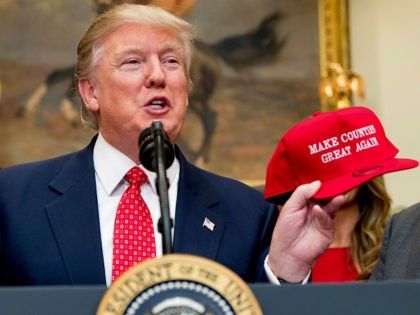
Economists had expected unemployment claims to rise to 232,000. Instead, they fell 9,000 to 221,000.
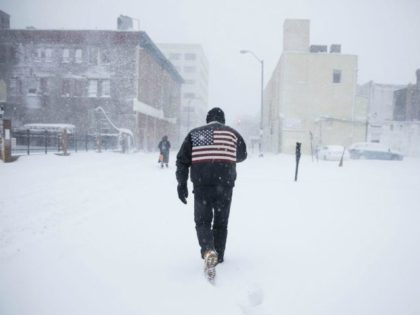
A new $950 million casino construction project is now underway that will bring Springfield, Massachusetts 3,000 new jobs, a report says.

African Americans families have been losing savings, property, and wealth for thirty years, and now are predicted to reach a median wealth of zero in 2053, predicts a new study by left-wing groups.
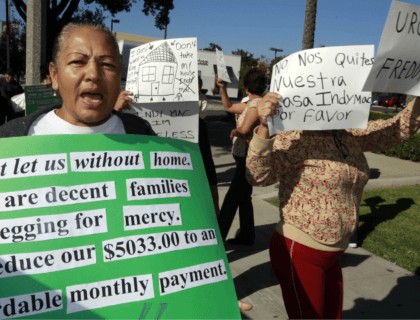
Jobless claims by U.S. workers posted their biggest decline in nearly two years, a further indication of the strengthening of the U.S. labor market.