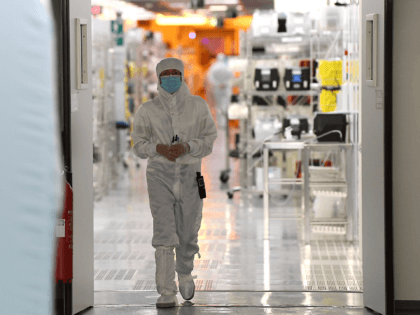
Factory Orders Flat in August as Manufacturing Sector Slows
Core capital goods order rose 1.4 percent, suggesting business confidence.
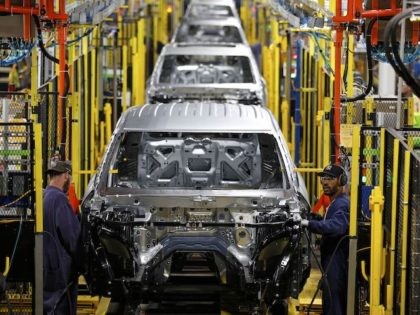
Core capital goods order rose 1.4 percent, suggesting business confidence.
Remember that signs of economic strength now likely mean more Fed hikes and a deeper recession later.
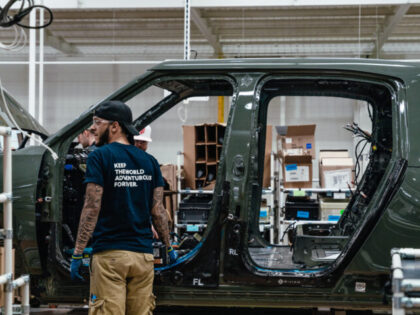
Heavy industry experts have warned the European Commission that the EU faces the danger of “permanent deindustrialisation” should Brussels not act now to save the sector.
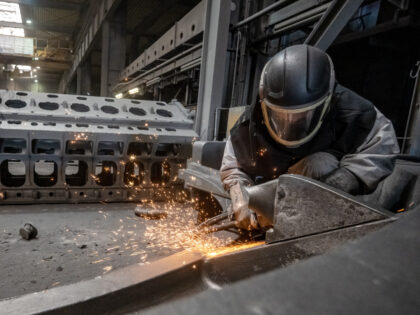
Amid many signs that the U.S. economy may not have contracted as much as expected given the fevered rate of Fed rate hikes, U.S. wholesale inventories continued to expand in July but at a slower pace. That could indicate cooling
Up to 60 per cent of factories in the UK are now facing possible closure over a massive surge in their energy bills, a manufacturers’ body in the country has now claimed.
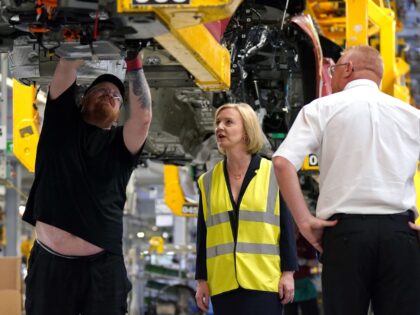
Business investment likely fell in real terms in July.
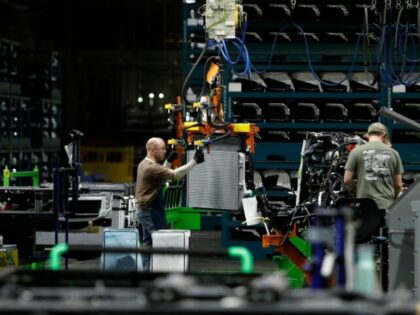
The Kansas City Fed manufacturing survey indicated a significant slump in activity even while it remained in positive territory.

S&P Global’s PMI indicates a second month of contraction driven by a steep drop in services sector demand.

The latest sign that the economy is buckling under the weight of high inflation and rising interest rates.

A bit of relief after the shocking crash in the Empire State manufacturing index.

We regret to inform you that the recession is back on.

On Tuesday’s broadcast of CNBC’s “Closing Bell,” Sen. Joe Manchin (D-WV) reacted to claims by the National Association of Manufacturers that the taxes in the reconciliation bill will hurt the manufacturing sector and reduce GDP and labor income by stating

“The rising cost of living is the most commonly cited cause of lower sales, as well as the worsening economic outlook,” said economist Chris Williamson.

A worrying deterioration in the economy

The Philly Fed’s manufacturing index plunges even deeper into negative territory as high prices destroy demand and interest rates rise.

Price growth remains elevated in the services sector even while new orders have gone into contraction.

New orders and employment measures fell into contraction in June.

The Richmond Fed misread its own survey data and produced a report that foretold a massive lurch into deflation and depression.

Every gauge of the health of the manufacturing economy in Texas showed contraction or stagnation in June. Except prices: those are still rising at an extremely elevated pace.

The latest signal of looming stagflation.

A huge drop in manufacturing of electronics, appliances and home furniture sent output sinking while high energy prices drain demand from the rest of the economy.

The outlook turned negative for the first time since December 2008, when the national economy was deep in the financial crisis.

The New York Fed’s barometer of manufacturing sector activity in New York produced a negative reading for the second month in a row.

Between 2019 and 2021, nearly 200,000 manufacturing jobs disappeared from lockdown Britain, a trade union in the country has claimed.

John Deere announced to its employees on Wednesday that it will be moving part of its Tractor and Cab Assembly Operations facility from Waterloo, Iowa, to Mexico by Fiscal Year 2024.
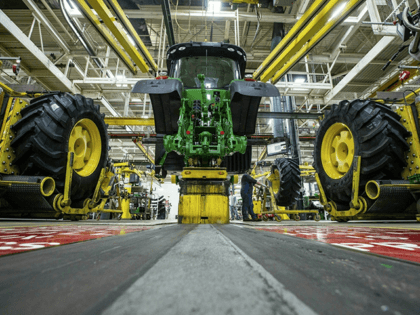
The S&P Global Manufacturing PMI comes in lower than expected as inflation drags down optimism and shortages weigh on production.

Another regional Fed report shows deteriorating business conditions.

Manufacturing activity slowed in the central U.S. while inflation pressures remained very high.

April’s orders for longer-lasting manufactured goods were below expectations. This may foreshadow an even deeper slowdown for U.S. factories that appears underway in May.

The latest evidence that U.S. factory activity is contracting in May.

The survey confirms that the slowdown in the manufacturing sector indicated this week in the New York Fed’s Empire State survey is widespread.

Toyota Motor Corp. will suspend the operation of 14 production lines across eight factories in Japan for nearly one week later this month as part of the Japanese automaker’s effort to cope with a microchip shortage caused by a month-plus Chinese coronavirus lockdown of Shanghai, China, Kyodo News reported Wednesday.
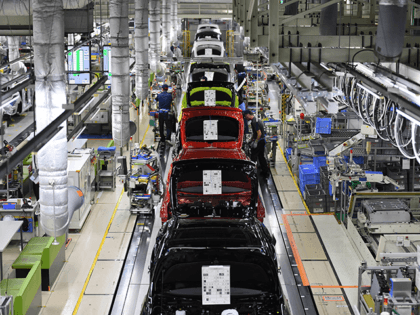
A big jump in factory orders likely reflects prices rising more than real growth.

After a record high in February, economists through the trade deficit in goods would shrink. Instead, it rose to a new record high in March.

Inflationary pressures soared in April for both manufacturers and services sector businesses, hurting business confidence and the willingness of consumers to spend.

Shanghai on Saturday issued an edict allowing local factories to resume production — which had been halted in recent days due to a city-wide Chinese coronavirus lockdown — as long as “workers live on-site,” China’s state-run Global Times reported on Sunday.
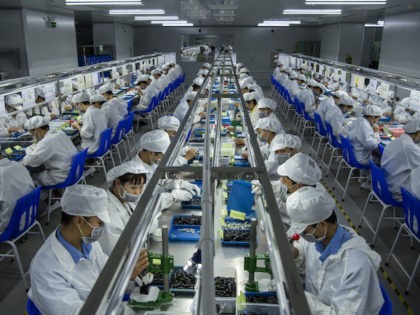
Orders for household appliances, however, rose.
The Dallas Fed’s manufacturing survey show price expectations are soaring.

Prices charged by manufacturers in the Fifth District rose by a seasonally adjusted 9.16 percent over the past twelve months.

Intel announced it intends to create a “leading-edge semiconductor fab mega-site in Germany” to move supply chains back to the West.