Two Ships Sink Near Strait of Hormuz After ‘Projectile’ Attacks
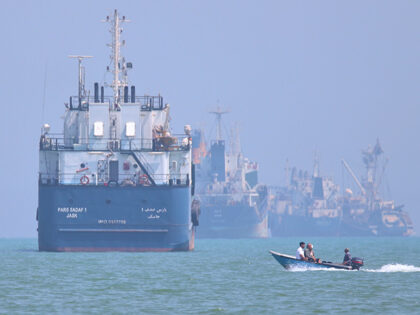
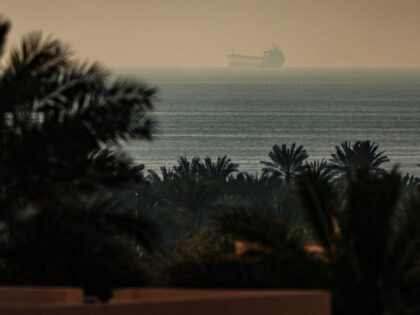
Two ships sank in, or near, the Strait of Hormuz on Wednesday after suffering attacks from as-yet unidentified “projectiles.”
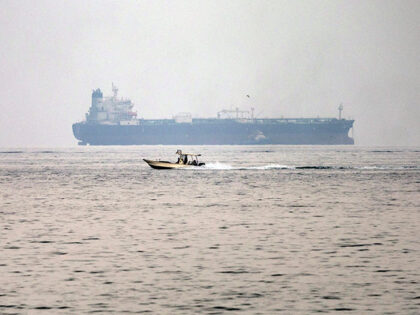
Two ships sank in, or near, the Strait of Hormuz on Wednesday after suffering attacks from as-yet unidentified “projectiles.”
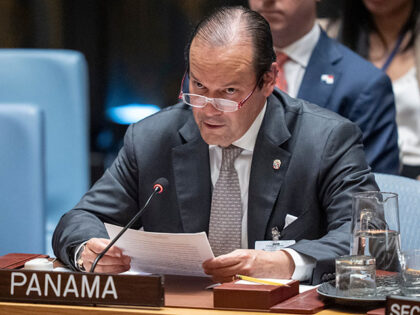
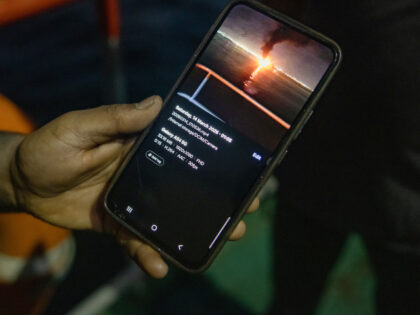
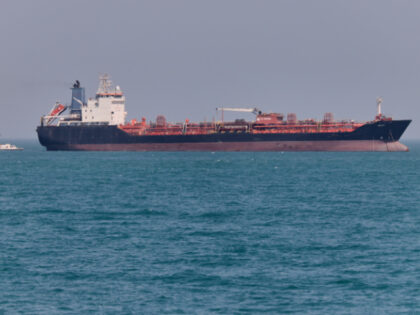
The air force of Oman evacuated the mostly Indian crew of a Panamanian-flagged oil tanker called On Peace on Wednesday after it was struck by a projectile and set ablaze while passing through the Strait of Hormuz on Tuesday.
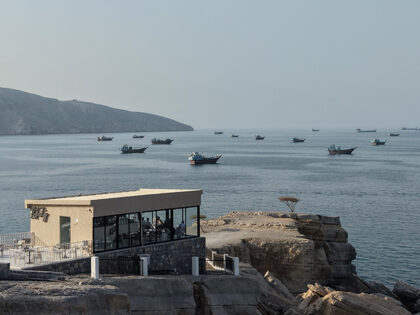
Hostilities between the U.S. and Iran continued to escalate on Tuesday night, as the U.S. destroyed five Iranian oil tankers, and Iran retaliated by attacking numerous civilian vessels and launching missiles at U.S. forces in Jordan. The benchmark price of oil rose above $100 per barrel for the first time since July amid the escalation.
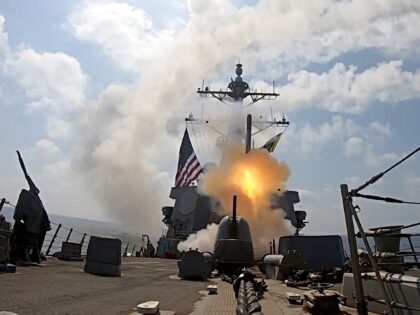
President Donald Trump’s “tanker-for-tanker” retaliation policy escalated Saturday as U.S. forces struck 3 Iranian oil tankers after the Islamic Revolutionary Guard Corps launched ballistic missiles toward 2 U.S. Navy warships.
U.S. Central Command (CENTCOM) on Saturday announced that two Iranian oil tankers were disabled by U.S. airstrikes, and a third was “completely destroyed.” One of the tankers was struck near Iran’s primary oil loading facility at Kharg Island, confirming reports of explosions near the island by Iranian state media.
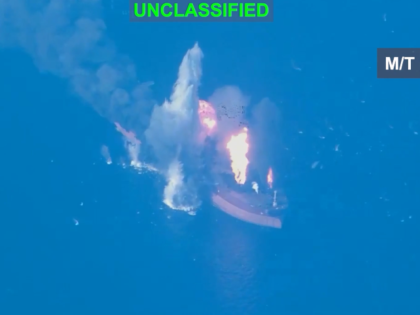
The U.S. military struck two Iranian government tankers Tuesday under a new “tanker for tanker” policy approved by President Donald Trump to retaliate for Iranian attacks on commercial shipping in the Strait of Hormuz.
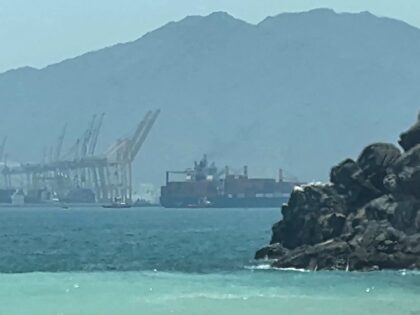
Ship tracking firms reported that two supertankers carrying crude oil from Saudi Arabia were attacked in the Strait of Hormuz on Monday night.
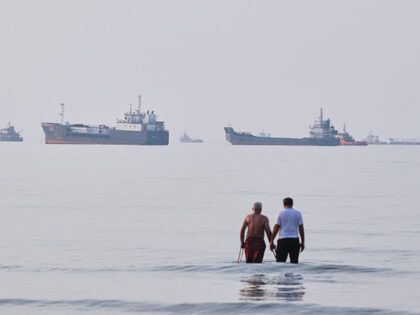
Chinese state-run shipping companies COSCO and CMES hare reportedly stopped trying to send their oil tankers through the Strait of Hormuz.

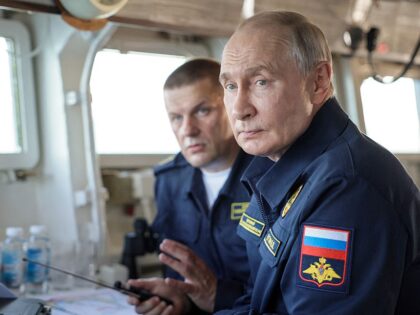
President Vladimir Putin threatened retaliation against British and French ‘pirates’ over the seizure of Russian ‘shadow fleet’ oil tankers, saying his navy was ready to start capturing European ships in return.
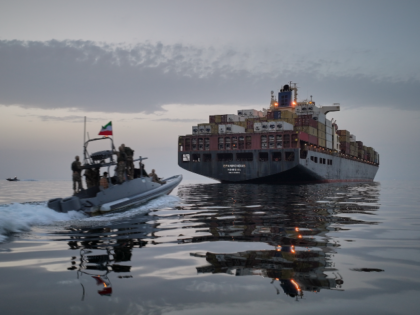
At least four tankers carrying oil and LNG abandoned their efforts to pass through the Strait of Hormuz after Iranian attacks.
German shipping giant Hapag-Lloyd said on Sunday that chaos is the “new normal” in the Strait of Hormuz, with the constant threat of Iranian attacks looming, even though the regime in Tehran supposedly agreed to reopen the strait in the Memorandum of Understanding (MOU) it signed with the United States.
U.S. Central Command (CENTCOM) announced Saturday that American forces carried out another round of strikes on multiple targets in Iran after a Panama-flagged oil tanker was attacked near the Strait of Hormuz.
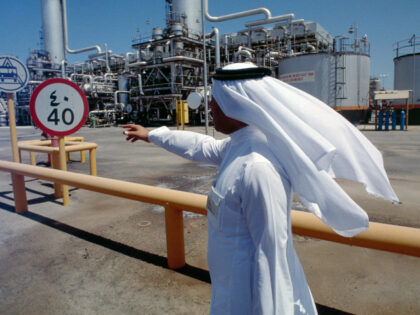
Saudi Arabia’s national oil company Aramco began loading cargoes of crude oil at its massive Ras Tanura terminal on Friday.
Shipping traffic is reportedly beginning to move through the Strait of Hormuz, which Iran promised to reopen without tolls or ransoms as part of its ceasefire deal with the United States.
Ship tracking services say at least three Iranian oil tankers, carrying about five million barrels of oil, have passed through the former U.S. blockade line since President Donald Trump announced his ceasefire deal with Tehran on Sunday.
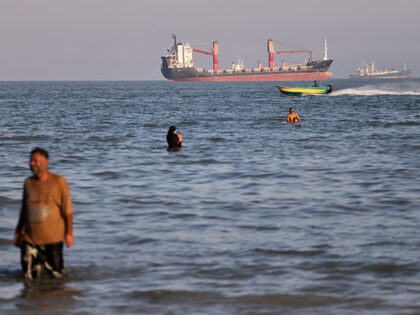
Tamura Jotaro, CEO of Japan’s Mitsui OSK Lines (MOL), predicted that it will take “at least a couple of weeks, or if not a month” for shipping traffic through the Strait of Hormuz to return to pre-war levels.
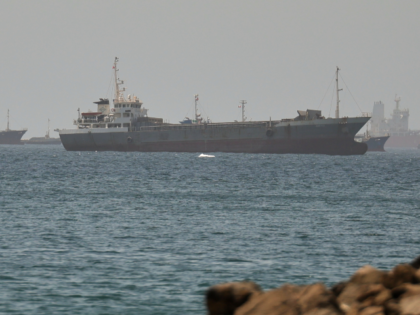
U.S. Central Command (CENTCOM) on Thursday announced that U.S. forces used Hellfire missiles to disable a tanker called M/T Jalveer as it attempted to violate the blockade on Iran. It was the third time in a week that American forces have struck an Indian-crewed tanker that tried to penetrate the blockade line.
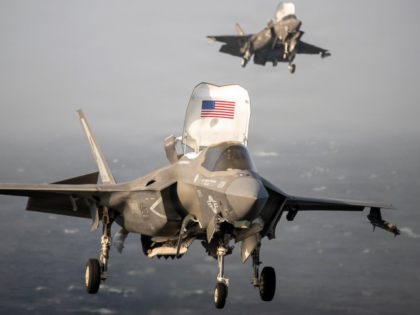
Ship trackers said on Thursday that two more tankers were able to pass through the Strait of Hormuz with their transponders turned off.
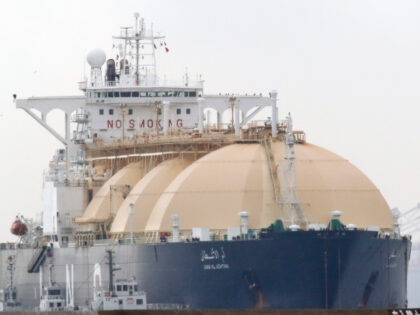
Ship tracking services said on Monday that three tankers filled with liquefied natural gas (LNG) passed safely through the Strait of Hormuz over the weekend, headed for Pakistan, China, and India.
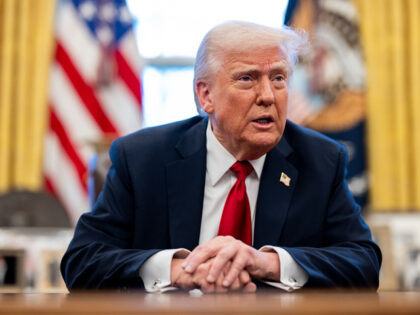
During an interview aired on Friday’s broadcast of the Fox News Channel’s “Special Report,” President Donald Trump said that the United States allowed China to get tankers filled with Iranian oil out. Host Bret Baier said, “China got three tankers
A supertanker named Yuan Hua Hu that is registered to China’s state-owned COSCO shipping company appears to have safely transited the Strait of Hormuz on Wednesday, carrying an estimated two million barrels of Iraqi crude oil.
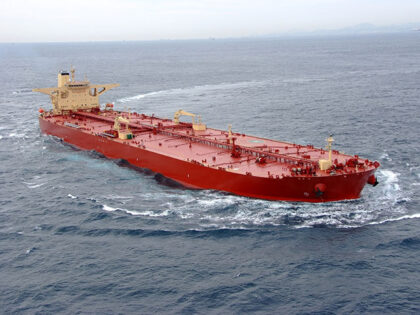
Reuters on Thursday reported that several tankers loaded with oil from the United Arab Emirates (UAE) have been able to pass safely through the Strait of Hormuz, evading detection by Iranian terrorists using the same techniques Iranian and Russian “shadow fleet” ships have employed to escape sanctions enforcement.
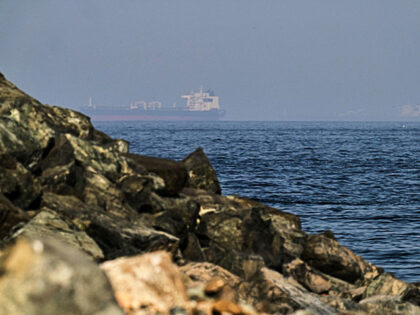
The Swedish Coast Guard said Friday it has boarded a tanker suspected of causing a 12-kilometer (8-mile) oil spill on the Baltic.
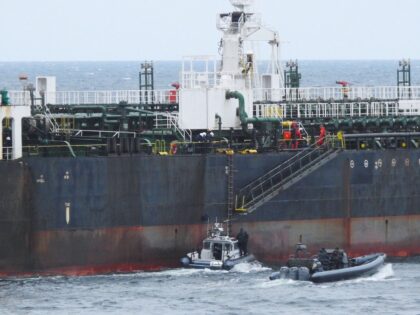
A Greek-flagged oil tanker was damaged in a suspected drone attack in the Black Sea while approaching the Russian port of Novorossiysk, authorities said.
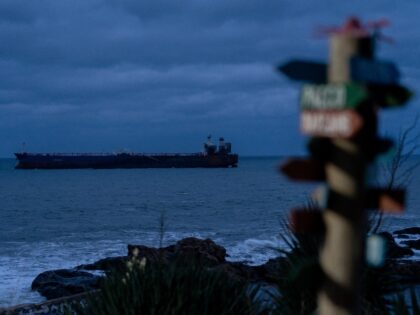
Commercial vessels sailing near the Strait of Hormuz are reportedly identifying themselves as Chinese-owned or crewed by Chinese nationals, in an effort to avoid terrorist attacks from Iran.
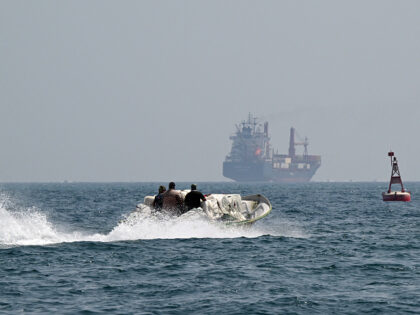
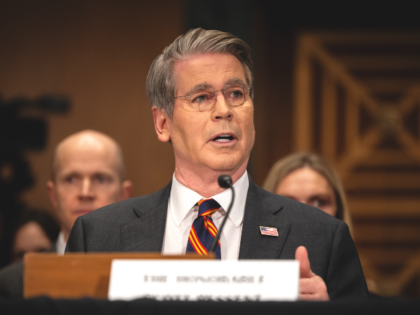
Treasury Secretary Scott Bessent said on Friday that the U.S. Navy will “soon” begin escorting oil tankers through the Strait of Hormuz to protect them from Iranian terrorist attacks.
South Korean lawmaker Kim Young-bae revealed on Thursday that seven oil tankers operated by the nation’s refiners are presently stranded in the Strait of Hormuz.
Iran’s Islamic Revolutionary Guard Corps (IRGC) is threatening to “burn” any oil tanker that attempts to sail through the Strait of Hormuz.
Iran’s Islamic Revolutionary Guard Corps announced Saturday the strategically vital Strait of Hormuz was closed to all shipping traffic.
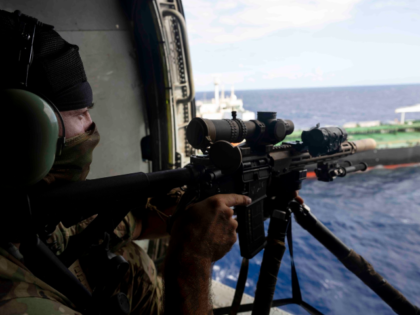
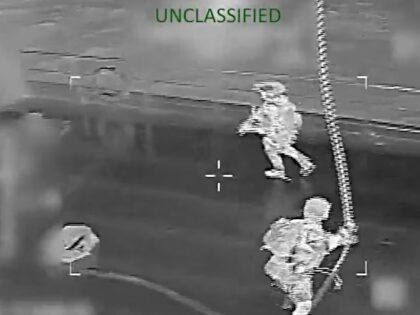
The U.S. military stealthily boarded a tanker overnight in the Indian Ocean that was defying President Donald Trump’s established quarantine.
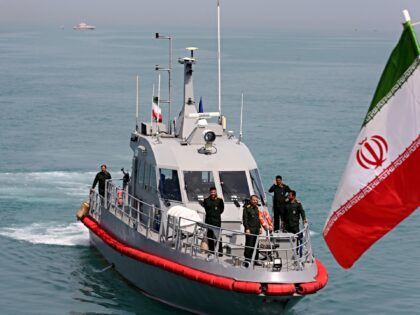
Iran’s Islamic Revolutionary Guard Corps (IRGC), a designated terrorist organization, said on Thursday that it seized two vessels in the Persian Gulf that were allegedly carrying smuggled fuel. Later that day, a former Iranian official threatened to turn the Strait of Hormuz into a “place of massacre and hell” if there is a conflict with the United States.
The United States Southern Command (SOUTHCOM) on Tuesday announced the U.S. seized another oil tanker that stood in defiance of the Venezuelan oil blockade ordered by President Donald Trump.
Ship tracking services detected around a dozen ships identified as loaded oil tankers departing from Venezuela in the first week of 2026, all of them targeted by U.S. sanctions.
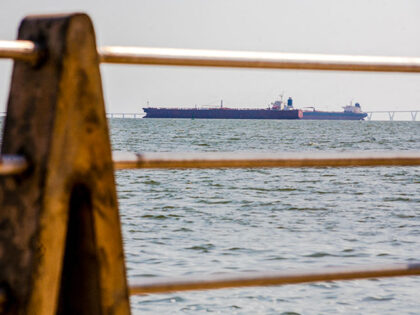
On Friday’s broadcast of MS NOW’s “Morning Joe,” Sen. Chris Coons (D-DE) said that President Trump has been going after oil tankers because there’s “this ghost fleet that helps keep Venezuela’s regime alive. He should be using those same tools

The U.S. Department of the Treasury’s Office of Foreign Assets Control (OFAC) on Wednesday imposed sanctions on four companies and four tankers aiding Venezuela’s socialist Maduro regime evade U.S. oil sanctions.
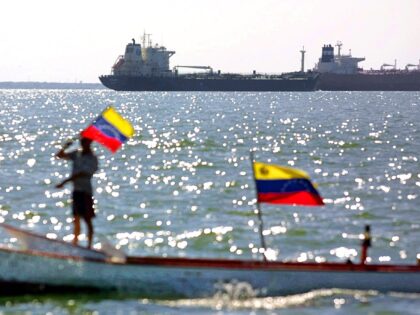
The Trump administration’s “blockade” of illegal Venezuelan oil shipments is among the few serious efforts at controlling the “shadow fleet” or “dark fleet” – the vast armada of tankers flying false flags, submitting false paperwork, shutting down their identification equipment, and helping rogue nations like Russia, Iran, and Venezuela evade U.S. sanctions against their oil industries.
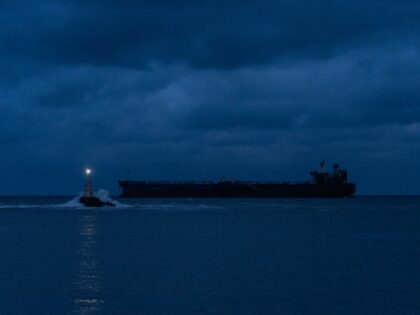
The White House ordered U.S. military forces to almost exclusively focus on enforcing a “quarantine” of Venezuelan oil for the next two months “at least,” according to a report published by Reuters on Wednesday.
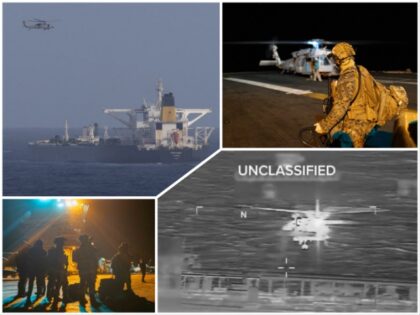
Maritime tracking data released on Monday showed that international oil tankers have dramatically scaled back loading activity at Venezuelan ports, fearful of a crackdown by the Trump administration on illegal sanctions-busting oil shipments.
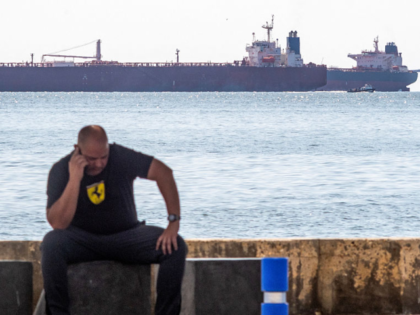
The U.S. Coast Guard is awaiting for additional resources to arrive before potentially attempting to stop and board another oil tanker linked to Venezuela’s socialist Maduro regime, Reuters reported on Wednesday.
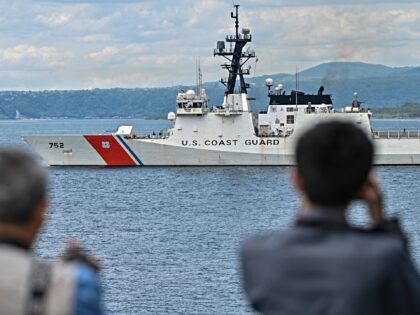
Foreign Minister of Panama Javier Martínez-Acha said on Monday that the Panama-flagged oil tanker recently interdicted by the United States failed to comply with the country’s maritime rules.