Amazon revealed plans Thursday to invest $200 billion in 2026 on data centers, satellites, and infrastructure as part of its aggressive push into artificial intelligence, surpassing Wall Street projections by $50 billion. Shares dropped almost eight percent in Friday morning trading.
The New York Times reports that Amazon has announced it will spend $200 billion this year on data centers, satellites, and other major infrastructure investments as the technology sector’s AI arms race intensifies. The figure, disclosed during the company’s fourth-quarter earnings report on Thursday, exceeded Wall Street expectations by $50 billion and represents the latest escalation in AI spending among major technology companies.
The announcement follows similar commitments from other tech giants. Google stated it would spend up to $185 billion this year, while Meta disclosed last week that its capital expenses, primarily for AI infrastructure, could reach $135 billion. The combined annual capital spending plans of Amazon, Microsoft, Meta, and Google now exceed half a trillion dollars.
Despite concerns from investors about the lengthy timeframe for returns on these massive investments, technology companies show no indication of reducing their spending. Amazon’s share price dropped more than 10 percent in after-hours trading following the announcement, mirroring market reactions to other companies’ spending plans. Microsoft experienced a similar 10 percent stock decline last week despite reporting sales and profits that exceeded expectations, as investors reacted to higher-than-anticipated capital spending and slightly lower cloud computing sales growth. During Friday trading, the stock remains down roughly eight percent.
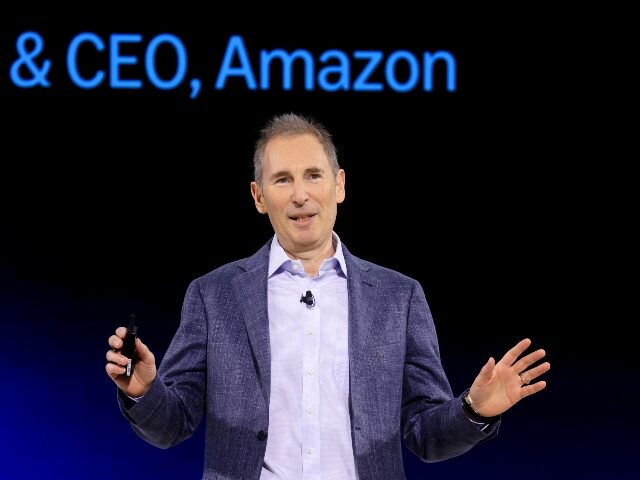
Andy Jassy, Amazon’s chief executive, defended the investment strategy during a call with Wall Street analysts on Thursday. “I think this is an extraordinarily unusual opportunity to forever change the size” of Amazon, Jassy stated. He emphasized that technology executives believe spending too little on AI would constitute a far greater mistake than overspending.
Amazon and its competitors maintain they lack sufficient operational data center capacity to meet existing customer demand for AI services. They argue that AI adoption drives increased usage of traditional cloud services, generating additional revenue across their operations. John Dinsdale, chief analyst at Synergy Research Group, noted in a Thursday statement, “You don’t have to be Sherlock Holmes to figure out that AI has driven these changes.”
During the investor call, Wall Street analysts pressed executives to justify their confidence in these substantial investments. Mark Mahaney, an analyst at investment bank Evercore, asked, “That’s the debate in the market today. Help us get to your level of confidence.” Jassy responded that customers are immediately utilizing Amazon’s AI computing capacity as it becomes available and that customers are migrating more data to cloud platforms to power applications. “We just have a lot of growth, and a lot of demand,” Jassy said, though he did not directly address questions about potential spending limits.
The massive investment announcement overshadowed Amazon’s strong fourth-quarter performance. The company reported record sales exceeding $200 billion for the first time, reaching $213.4 billion in the final three months of the year. This represents a 14 percent increase from the previous year and surpassed Wall Street expectations. Profit grew 6 percent to $21.2 billion, slightly below analyst predictions.
Amazon’s retail business showed resilience during the holiday season despite concerns about tariff impacts and job market uncertainty. The number of items sold during the final quarter of 2025 grew 12 percent, exceeding 2024 growth rates. North American sales reached $127 billion, up 10 percent. The company’s advertising business, one of its most profitable retail segments, generated $21.3 billion in quarterly sales.
Read more at the New York Times here.
Lucas Nolan is a reporter for Breitbart News covering issues of free speech and online censorship.
COMMENTS
Please let us know if you're having issues with commenting.