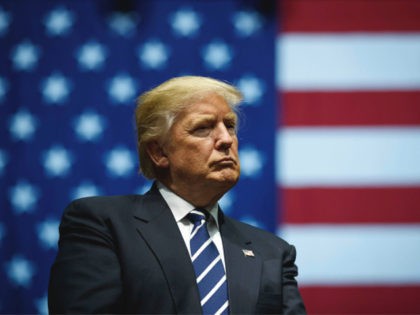
Pinkerton: Would Expanding NATO Bring Peace and Fewer U.S. Troops in the Middle East?
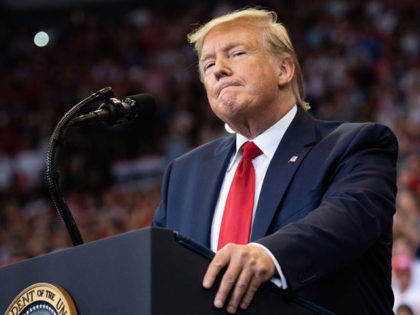
Would President Trump’s idea of expanding the NATO alliance to include the Middle East lead to peace and fewer U.S. troops in the region?
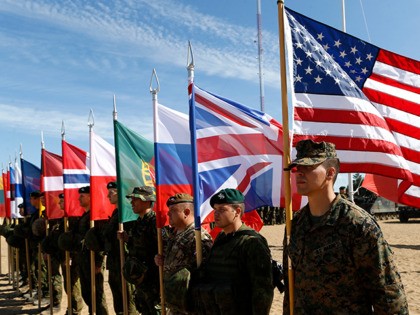
Would President Trump’s idea of expanding the NATO alliance to include the Middle East lead to peace and fewer U.S. troops in the region?
The Republican president, running for re-election, orders airstrikes against a foreign foe. Back home, street protests erupt, and TV pundits and newspaper editorialists rage; there are even new calls for impeachment.
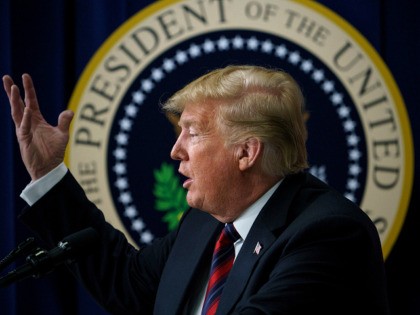
We are seeing the right of each state to make its own decisions—for better or for worse, as the case might be—as enshrined in our founding document, the U.S. Constitution.

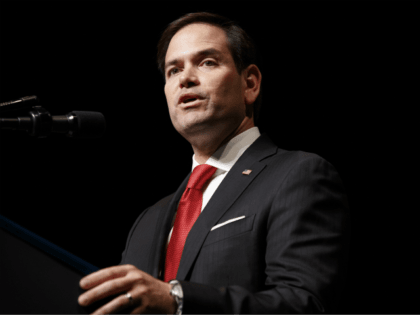
Sen. Marco Rubio’s idea of “common-good capitalism” makes obvious good sense, and yet, of course, not everyone agrees. Still, Rubio has started a valuable debate, and if he prevails, the Republican Party—and the United States—will be stronger.
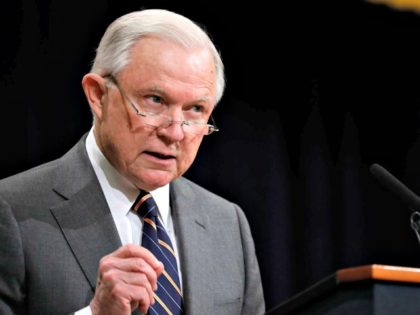
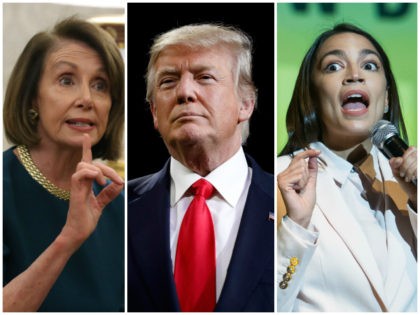
Jeff Sessions, currently running to reclaim his U.S. Senate seat in Alabama, sent out an interesting and important tweet on December 21. It featured a photo of the top House Democrats who spearheaded the impeachment of President Trump; in the picture were Reps. Nancy Pelosi of California, Jerry Nadler of New York, Maxine Waters of California, Elliot Engel of New York, Adam Schiff of California, and Carolyn Maloney of New York. Underneath the photo were the words, “This is why we have the Electoral College.”
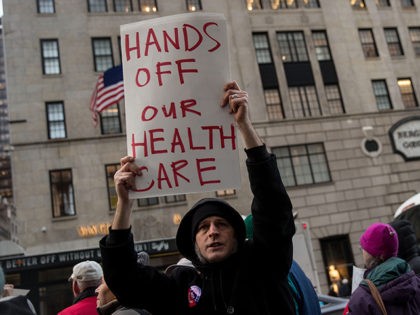
While everyone is focused on impeachment, there’s another issue—an older issue, which hasn’t gone away—that’s nagging the voters. Republicans remain deeply vulnerable on the healthcare issue.
After something big happens, the temptation is to say, in retrospect, “Oh yeah, it was obvious. We all knew that would happen.” As they say, everyone has 20/20 hindsight.
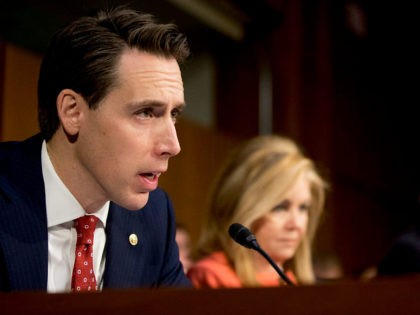
Two Republican Senators, Marsha Blackburn of Tennessee and Josh Hawley of Missouri, have a great idea: Move most of the federal government out of Washington, DC.
There will not be an American Dream to achieve if our nation as a whole doesn’t increase its birth rate. The United States needs a robust pro-family policy. President Trump and his daughter Ivanka have been pointing the way by endorsing paid family leave.

The Democrat presidential hopefuls want you to believe that they have a plan for raising taxes on the rich. And maybe, if one of them wins next year, they will, in fact, nick the rich a little—but don’t count on it.
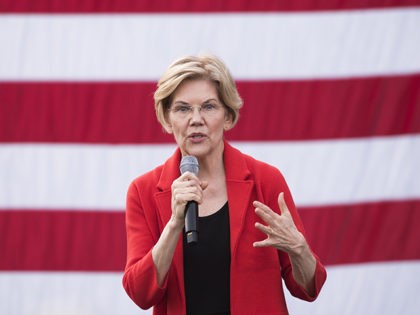
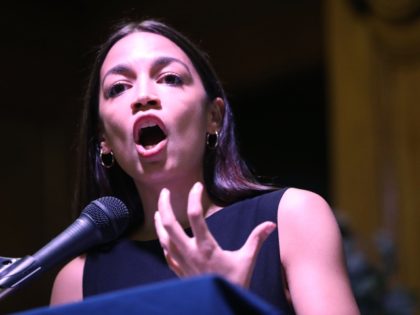
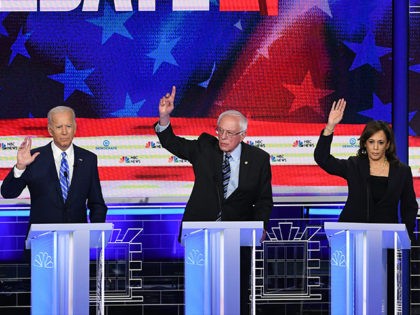
If Democrats like Sanders and Warren can demonstrate that they’re truly sincere in helping the working class and not just using workers for props—well, who knows what could happen in 2020.
The headline in The New York Times is nothing if not declarative: “The Republican Party Is Doomed.” And the first lines of the opinion piece read, “The 2020 election will be transformative like few in our history. It will end with the death of the Republican Party as we know it.”
The left has a hot new cause: getting rid of the Electoral College. And if the left succeeds in doing away with that venerable institution, its next target, the U.S. Senate, will fall like a dried apple.
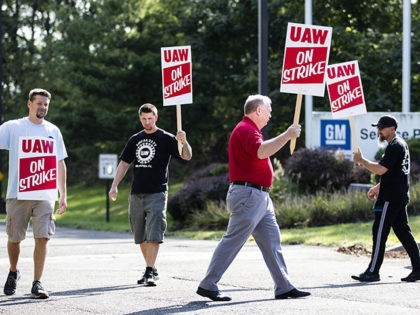
Like any holiday, Labor Day has always been a political football. Politicians and parties have fought over its meaning—past, present, and future. And these days, as technology and globalism are transforming work, it’s all the more important to grasp the importance of labor and the continuing need to protect its place in society.

Last week, the Wall Street Journal had a scoop of sorts; the headline read, “President Trump Eyes a New Real-Estate Purchase: Greenland: In conversations with aides, the president has — with varying degrees of seriousness — floated the idea of the U.S. buying the autonomous Danish territory.”

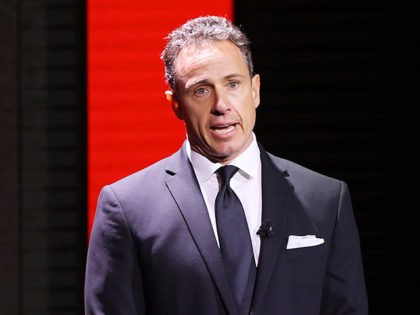
CNN host Chris Cuomo’s recent “Fredo” confrontation revealed the cultural prominence of ‘The Godfather’ films, which are now so central to our thinking that they can even be said to occupy the psychic space once held by ‘The Iliad’ and ‘The Odyssey’.
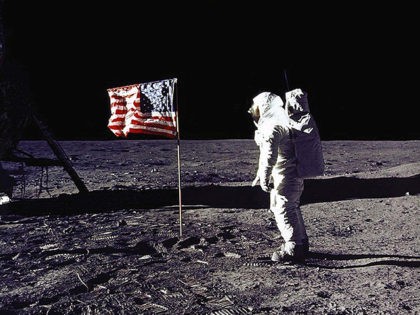
In April, we learned that an Israeli spacecraft, an unmanned 1290-lb lunar lander, had hard-crashed, not soft-landed, on the moon. These things happen; it’s not easy, after all, to make a soft landing on the lunar surface. In fact, only three countries—the U.S., Russia, and China—have managed that feat.

Democrats would benefit from recalling Republicans’ historic midterm defeat in 1998, which clearly signaled voters were not interested in impeachment.
As we enter into what seems to be Cold War Two with China, what lessons about internal security can we learn from Cold War One?
A strong argument in favor of the space program is the value of its “spinoffs.” Here we explore ten spinoffs, or discoveries and improvements, that came as a consequence of NASA’s work.
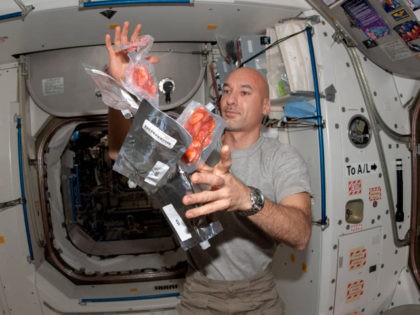
The space program was not just about the guts and grit of astronauts with “the right stuff,” nor about the brilliance of the engineers who designed the spacecraft. It was also about the financial and organizational ability of government leaders, corporate executives, and white- and blue-collar workers—all teaming up to get the job done.
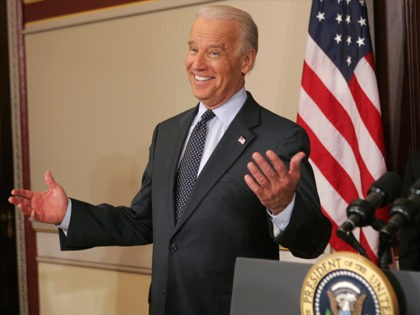
Joe Biden now claims that he voted for the Iraq War in 2002 because President Bush told him “he was using it for the purpose of getting inspectors in.”
The national politician is blasted for “enabling racism,” for “singling out of newly elected women of color,” and for causing “harm to immigrant families.” At a progressive convention in Philadelphia, the mere mention of the name provokes a chorus of boos, as critics decry attempts to “shame and silence the progressive women of color.”
Washington Post columnist Richard Cohen warns his fellow Democrats to “stop embracing losing issues” like reparations and Medicare for All or else Trump will win.
The aspirational nature of the entire American Experiment is made plain in the words in the Constitution’s Preamble: “a more perfect union.” We’re always striving to make a more perfect union, which is why it is important to understand the the economic theory that did the most to expand prosperity and greatness. It was called the American System.
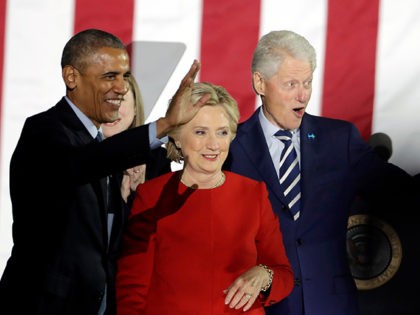
The Democratic Party is moving way to the left, and Barack Obama and the Clintons are regarded as too conservative for the party’s tastes.
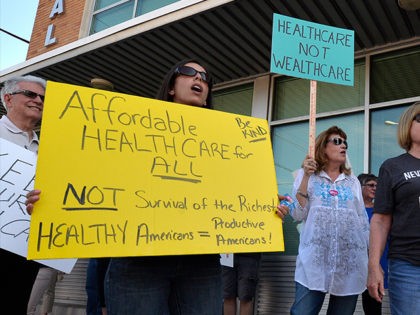
The Democratic group American Bridge hopes to swing some of Trump’s rural voters in 2020 using health care as a wedge issue.
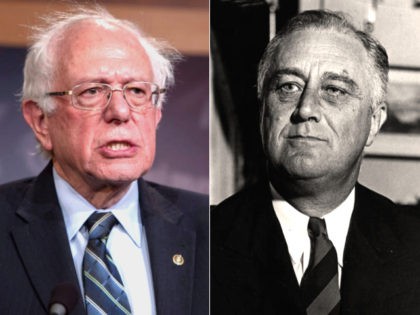
Bernie Sanders is well advised to stake his claim to FDR’s legacy, but he may be misleading us while hard-left flames burn bright in his heart.
Writing in Vanity Fair, pundit T.A. Frank offers some stern commentary that’s sure to upset his liberal readership. And yet if conservatives read his piece, it’s likely that many of them, too, will be upset. So perhaps Frank has something interesting to say.
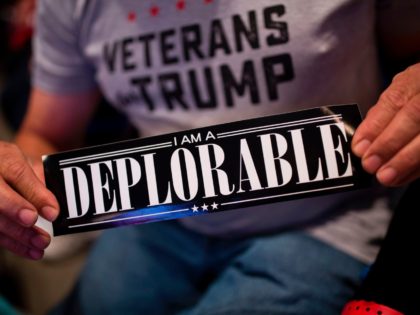
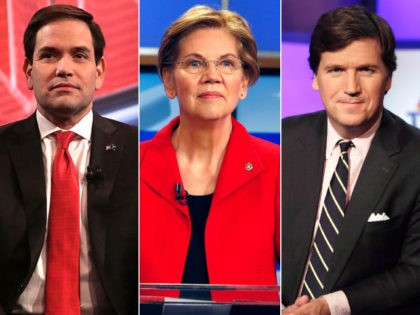
For all their differences, Rubio and Warren have done something important: They have jointly raised the flag of Economic Patriotism. So now we’ll have to see where they end up, and also, which other leaders step forward to claim this valuable centrist turf. After all, it’s hard to think of a better platform than American jobs, for American workers, as part of an overall vision of a prosperous and strong America.
The coverage of the 75th anniversary of D-Day has been heartening, and oftentimes, it’s been inspiring.

A century ago, in 1919, the left-wing American journalist John Reed published Ten Days That Shook the World. Reed’s topic was the Bolshevik revolution in Russia, which overthrew the czars and established the Soviet state.
Democrat presidential candidates have been joined by a coterie of consultants and techies who are aiming at hitting an arbitrary target—a fundraising target—as a result of the DNC’s 2020 debate criteria. But more money in politics isn’t quite “the party of the people.”
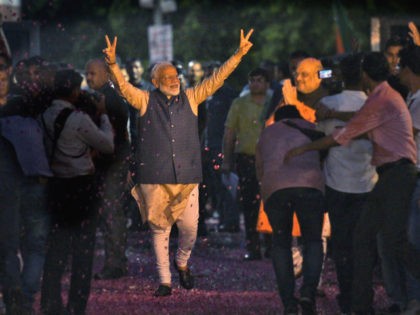
One can point to a slew of conservative nationalist world leaders, in addition to India’s Narendra Modi, including Jair Bolsonaro, Viktor Orbán, and Bibi Netanyahu, who have a sense that they are leading their country, starting with a majority of their people.
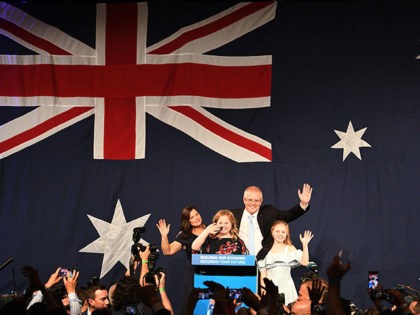
Australian conservatives won by ignoring international opinion and supporting Australian voters who want strict immigration curbs. In fact, Australia’s strict immigration policy is so successful that it has come to the attention of the Trump administration, which seeks to shift U.S. policy in the same productive direction.
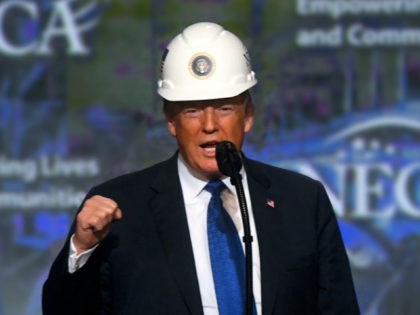
President Donald Trump is now willing to commit real money—federal money—to his infrastructure push, and without a doubt, the need is real.
Those 207 churchgoers, and others, who were killed in the terrorist attacks in Sri Lanka, confronted, in their last moments on this earth, a threat greater than climate change.

The question for 2020 is whether the Democrats will quietly champion a manageable national health plan or allow their avant-garde ideological ambitions to get the best of them.
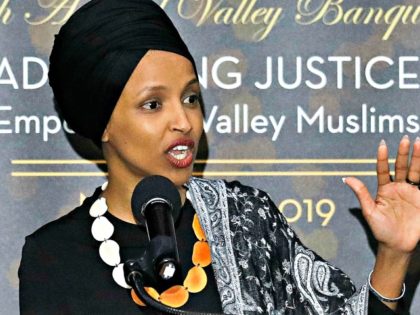
My bet is that most Democrats would rather be talking about healthcare than Rep. Ilhan Omar, the by-now-notorious Democrat from Minnesota.
If the healthcare issue is due for a revival, as President Donald Trump is indicating, then it’s worth recalling, and seeking to learn from, some of the pitfalls that befell the big and ambitious healthcare plan of his predecessor, Barack Obama.