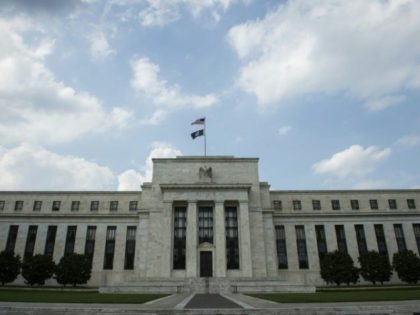
The Financial Crisis Cost Every American $70,000, San Francisco Fed Study Says
The U.S. economy is about 12 percent smaller than it would have been based on its pre-crisis trend.
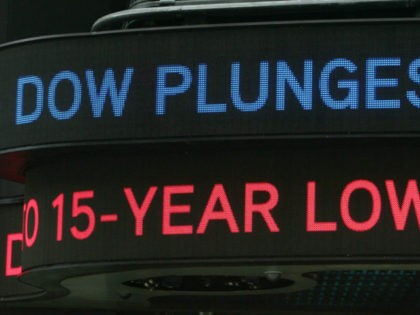
The U.S. economy is about 12 percent smaller than it would have been based on its pre-crisis trend.
Charles Evans, a long-time dove opposed to interest rate hikes, now sees the Fed moving to restrict growth as tax cut stimulus pushes down unemployment and inflation rises.
All told, the Fed used the word “strong” or some version of it six times in the statement.
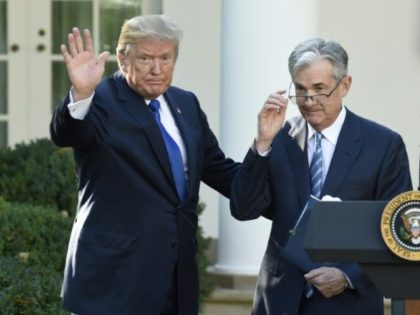
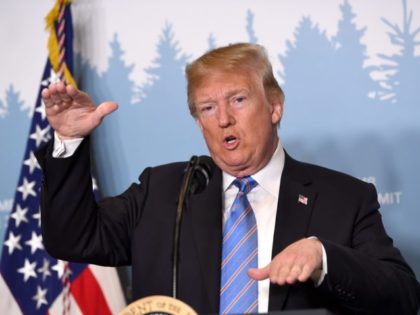
“Tightening now hurts all that we have done,” Donald Trump said in a tweet Friday.
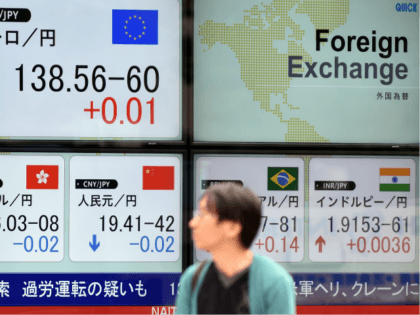
President Donald Trump called out China and the European Union on Friday for manipulating their currencies.
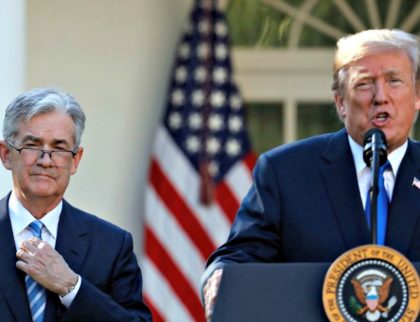
“I don’t necessarily agree with it, because he’s raising interest rates … I don’t necessarily agree with it, and I must tell you I don’t, I’m not thrilled,” Trump said.
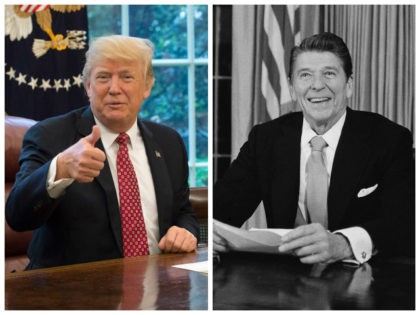
In breaking with the Rubin Rule, Trump is harkening back to the tactics of President Ronald Reagan, a frequent Fed critic.
Manufacturers say they are worried about tariffs and the tight labor market. But consumers are not feeling the bite of rising costs.
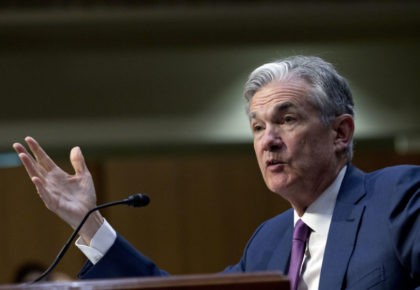
“The administration has said it is going for broadly lower tariffs, if that happens, that’s good,” Powell said.
The economy is doing so well that a bit of trade friction would not be bad. If it ever develops into a drag on the economy, it will simply balance out the boom created by the rise in confidence and the fall in taxes.
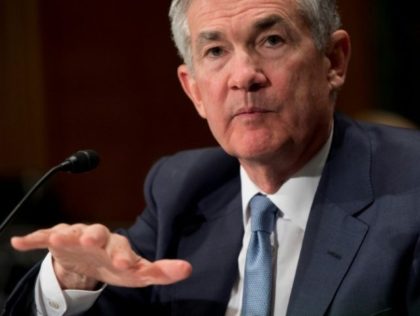
In a sign of the confidence of regulators in the strength of the biggest U.S. banks, those banks are now authorized to pay out 95% of their expected aggregate profits over the coming year.
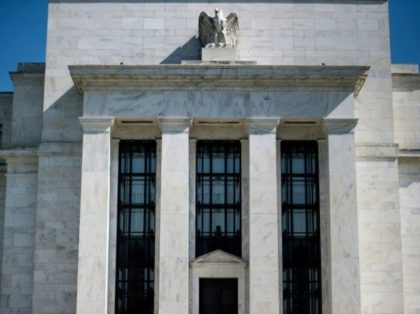
The Fed says that it has not eased up on the stress tests, even though the economy appears much healthier than in any period since the financial crisis. According to a senior Fed official, this year’s stress scenarios were the toughest to date.
The American economy is accelerating while economies from Europe and Asia slow, casting doubt on claims that recent strength was due to “global” factors or that Trump trade policies would hurt the U.S.
Federal Reserve chairman Jerome Powell wants to make America’s central bank easier to understand and more open to the public.
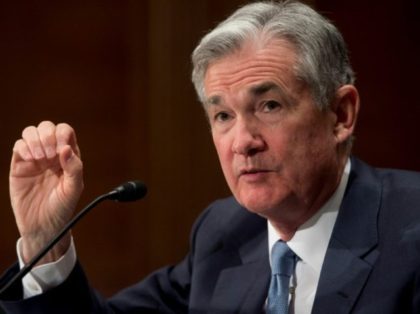
U.S. Federal Reserve officials announced a modest interest rate hike on Wednesday, predicting two more this year as the American economy continues to grow.
The Federal Reserve announced that U.S. household wealth has risen above $100 trillion in the first quarter of 2018, for the first time in history.
Fifth Third’s $4.7 billion deal to purchase Chicago’s MB Financial is a sign that large regional banks are feeling pressure to grow and believe the regulatory environment has turned positive for bank mergers and acquisitions.
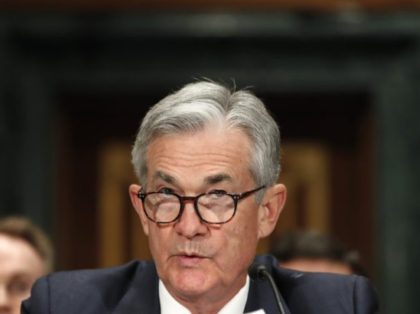
Hard to believe, but we’re almost halfway through the second quarter of the year. That’s the point where it makes sense to start checking in on where the regional Fed banks’ forecasting models see GDP growth for the quarter.

The Trump tax cuts were supposed to spark a business investment boom. The latest Fed statement indicates that the boom may have already begun.
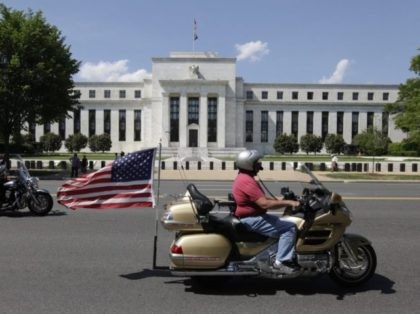
The Beige Book’s use of “modest to moderate” to describe the pace of economic growth may relieve concerns that the economy might be at risk of overheating.
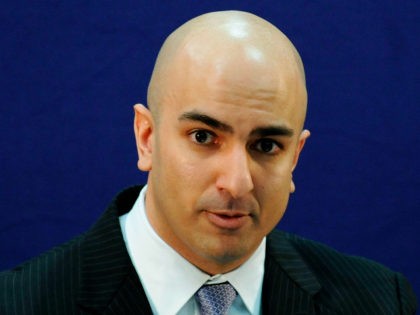
Neel Kashkari has become the Federal Reserve’s foremost skeptic of the notion that the U.S. is experiencing a severe labor shortage.
The Fed clearly is not suffering from Trump Derangement Syndrome, the compulsion to present all of Trump’s policies as terrible, no-good, very bad. It knows what Trump has done and thinks the economy has strengthened.
Fed officials appear to be convinced that tax cuts and the recent federal budget agreement would add to economic growth. Tariffs on steel and aluminum were not seen as threatening, although federal officials did worry about foreign retaliation.
Fed policymakers on Wednesday announced an increase in federal funds rate target to a range of 1.50 percent to 1.75 percent.
Shares of Google’s parent company, Alphabet, have declined over the past two days thanks in part to the intensifying scandal over user data at Facebook. Alphabet’s shares have been under-pressure because investors fear that regulators might clamp down on how tech companies deploy user data in a way that could crimp earnings across the sector.

“My personal outlook for the economy has strengthened since December,” Powell said. “I would expect the next two years on the current path to be good years for the economy.”
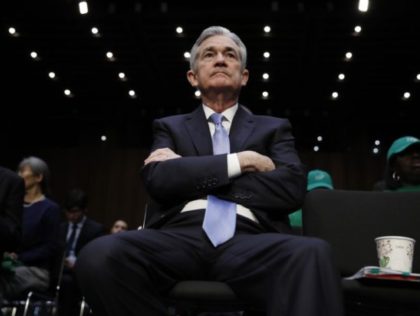
The Trump administration policies are contributing to what may be a shift to a higher economic growth trajectory, a top Federal Reserve official said Monday.
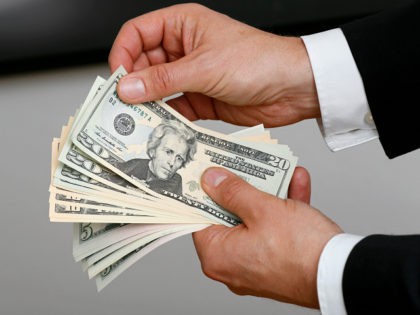
Rising wage expectations suggest Americans do not believe claims that recent tax cuts will only benefit corporations or the wealthy.
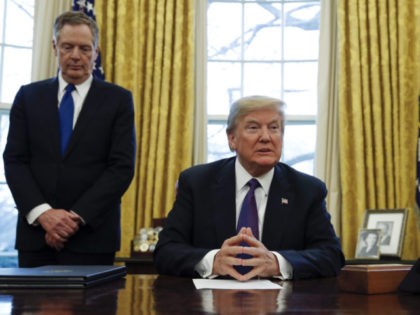
The Fed slammed Wells Fargo with a far-reaching order that limits its growth and requires the replacement of four board members.
Employment, household spending, and business investment have made solid gains, according to the Federal Reserve.
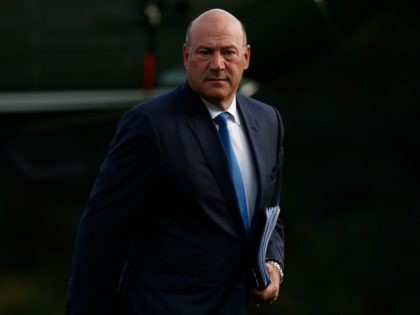
Gary Cohn told CNBC that he will stick around for at least next week, quashing rumors that he might leave the White House soon.
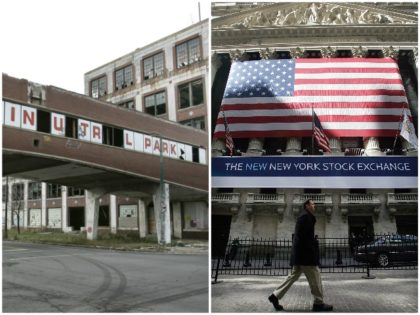
The headline in the November 19 Wall Street Journal put the matter plainly: There are “Two Americas.” One America that gains from globalization, and another much larger America that loses from globalization. And as we now know, this cleaving of the nation is not just a matter of economics, it’s also a matter of life and death.
The Fed dramatically raised its forecast for economic growth in 2018 while saying it will not stand in the way of tax cut driven growth.

The Federal Reserve raised short-term interest rates by a quarter point on Wednesday, setting a target range of 1.25% to 1.5%.

The Federal Reserve will almost certainly raise its short-term interest rate target by a quarter percentage point at the conclusion of its two-day policy meeting Wednesday.
The message from the New York Fed is simple: the economy is booming. Economists predicted we would grow just 2.5 percent in the fourth quarter.
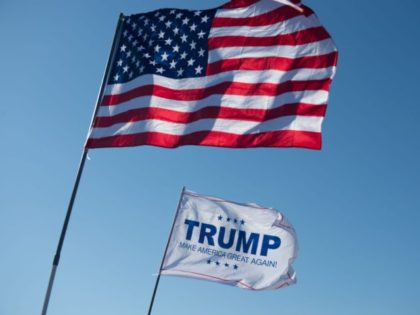
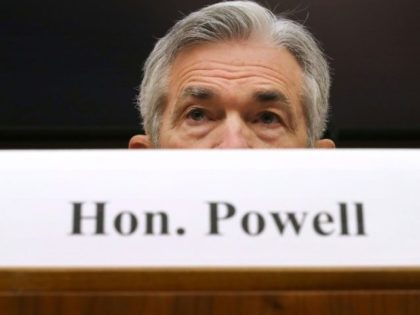
Federal Reserve nominee Jerome Powell got into a heated debate over bank regulation with Senator Elizabeth Warren Tuesday.
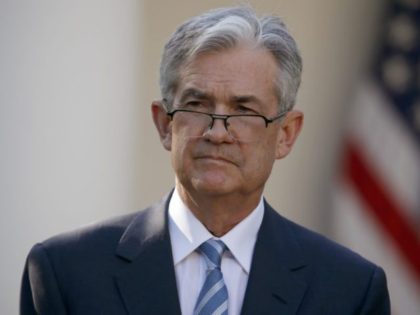
President Donald Trump nominated Federal Reserve board member Jerome “Jay” Powell Thursday as the next chairman of the central bank.
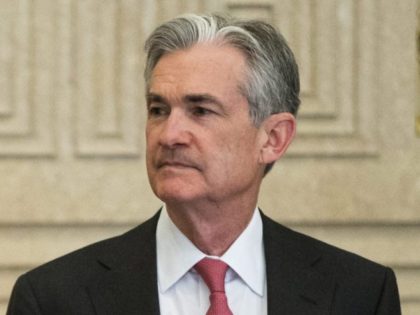
Powell is an establishment Republican who supports the president’s dergulatory agenda and takes a dovish position on monetary policy.
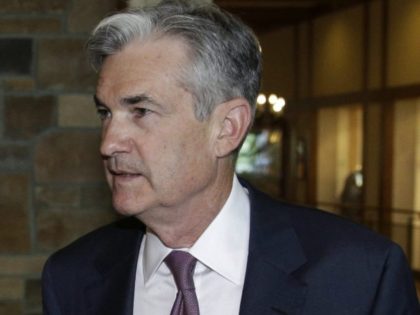
President Donald Trump is leaning toward appointing both Standford University economist John Taylor and former investment Jerome “Jay” Powell to top positions at the Federal Reserve, according to people familiar with the president’s thinking.