Pro-Life Virtual Graduation ‘Zoom Bombed’ with Porn and Nazi Images
America’s largest pro-life youth organization’s virtual graduation was disrupted by a “Zoom bomb” with graphic gay porn and Nazi imagery.

America’s largest pro-life youth organization’s virtual graduation was disrupted by a “Zoom bomb” with graphic gay porn and Nazi imagery.

The office of Taiwanese President Tsai Ing-wen announced on Monday that information security services are investigating a suspected cyberattack.

According to reports in the Wall Street Journal and New York Times on Sunday, the FBI and Department of Homeland Security (DHS) will soon issue a warning that hackers linked to the Chinese government are trying to steal data from American researchers working on a vaccine for the Wuhan coronavirus.

According to a recent report, Tesla components containing the previous owners’ personal information are appearing for sale online.

Cybersecurity firm FireEye reported on Wednesday that a hacking group called APT32, which has been linked to the government of Vietnam, launched attacks on email accounts used by the Chinese Ministry of Emergency Management and the city government of Wuhan, epicenter of the coronavirus pandemic.

A recent report claims that as many as 25,000 email addresses and passwords allegedly belonging to the NIH, the W.H.O., the Gates Foundation, and other groups have been leaked online.

Video conferencing software Zoom has faced criticism in recent weeks for its vulnerability to “Zoom bombing” in which people connect to private calls to generally cause mayhem. Here are four key steps you can take to prevent the disruption of meetings whether for work or school.

The source code of controversial facial recognition tech startup Clearview AI has reportedly been exposed due to a lapse in security measures.

According to a recent report, hackers are selling two critical vulnerabilities for the video conferencing software Zoom that could allow people to gain access to private accounts and spy on calls. The price for an exploit that would allow a hacker to take control of a Zoom user’s computer is reportedly $500,000.

A recent report claims that the login details for over 500,000 Zoom accounts have been shared or sold on hacker forums and the dark web.

A group of 400 cybersecurity volunteers from across the world has banded together as the “COVID-19 CTI League” to fight back against hacking related to the Wuhan coronavirus pandemic.

The U.S. Department of Defense (DoD) is sending letters to service members notifying them that their personal information may have been compromised by hackers who breached a computer network managed by the Defense Information Systems Agency (DISA).

Researchers at McAfee reportedly used a 2-inch strip of tape on a 35-mph speed limit sign to trick two Tesla vehicles into misreading the signs as 85-mph and accelerating 50 mph to match the modified sign.

Google has reportedly pulled over 500 malicious Chrome extensions from its Web Store, with some active on the site for over a year. The extensions used the computers of millions of people to commit ad fraud and steal data.

An elite hacker network sponsored by China’s People’s Liberation Army (PLA) stole the personal data, including telephone numbers, credit card details and passwords, of over 13 million people in Britain.

Reuters on Wednesday reported on the exploits of Charming Kitten, a hacker group linked to the Iranian government that poses as journalists and attempts to trick victims into divulging passwords and other security information.

The Twitter accounts of 15 NFL teams have been hacked ahead of the Super Bowl this weekend. The accounts were allegedly masterminded by a Saudi Arabia-based hacker group.

The website of an obscure government organization called the Federal Depository Library Program was hijacked over the weekend by hackers claiming to be linked to Iran.

The Wall Street Journal on Monday reported that a cyberattack identified in 2016 as “Cloud Hopper” was much larger than previously believed.

New Orleans city computer went offline on Sunday after suffering a cyberattack. City employees were instructed to shut down their computers to prevent further data breaches as IT security personnel worked to regain control of the system. The city has reportedly declared a state of emergency over the matter.

Reports have begun flooding in of Amazon Ring camera systems being hacked over the past few days, with the hackers hurling racial abuse at owners, interacting with their children, and even demanding ransom payments.

The Alabama-based DCH Health System has reportedly paid off hackers that took three local hospitals computer systems hostage using ransomware. One cybersecurity expert called such payouts “the fuel that drive ransomware attacks.”

Sports apparel company Asics apologized after apparent pornographic videos played on its store screens for hours at its New Zealand location.

Food delivery company DoorDash has confirmed that it has suffered a data breach that affects 4.9 million customers, workers, and merchants.

A recent report claims that the Facebook page “Vets for Trump” was hijacked by foreign actors — and Facebook did very little to help the original owners reclaim the page.

NSA whistleblower Edward Snowden hacked a nuclear laboratory during his teenage years, reporting its vulnerabilities to the authorities. An official from the lab later thanked him for the hack, which helped it fix its security issues.

Apple is accusing Google of “stoking fear” among iPhone users, claiming that Google’s recent report about iOS security flaws contains inaccuracies and comes after Apple had already released patches to fix the problems.

Google security researchers are claiming that they have found a number of malicious websites that could hack into Apple’s iPhones by exploiting undisclosed software flaws.

Twitter CEO Jack Dorsey had his twitter account hacked earlier today, with the hackers posting a string of racial messages and a false report of a bomb threat before he regained control of his account.

An exclusive report from Vice News claims that researchers have discovered that 35 critical U.S. election systems have been connected to the Internet for months despite manufacturers and election officials claiming that the machines are never online.

A new report by Wired Magazine revealed that Boeing accidentally left important code for its 737 and 787 aircraft on a publicly accessible server.

Following news of the recent Capital One data breach which saw over 100 million Americans and 6 million Canadians left vulnerable, here are some ways to protect your personal data.

News broke over the weekend that Russia’s Federal Security Service (FSB), the agency that took over domestic security after the dissolution of the KGB, was targeted by hackers over the past two months. The size of the data files posted online by the hackers suggests it was the worst data breach ever suffered by a Russian intelligence agency.

A computer hacker reportedly infiltrated the Bulgarian tax system and stole the personal details of every working adult in the country. Bulgarian Prime Minister Boyko Borissov called the young hacker accused of the crime a “wizard.”

Two security researchers announced on Tuesday that they were able to hack into a popular smart home security device after discovering a series of flaws that would allow a tech-savvy intruder to unlock a front door. The researchers revealed their findings only after the security flaws had been fixed, but the company has reportedly since discontinued the device in favor of a newer product.

Researchers have exposed a network of Facebook accounts used to push malware and viruses to hundreds of thousands of users over the course of five years.

A Chinese smart home equipment manufacturer recently faced a data breach which left 2 billion user logs vulnerable to hackers. The database included personally identifiable information from customers around the world including the United States.

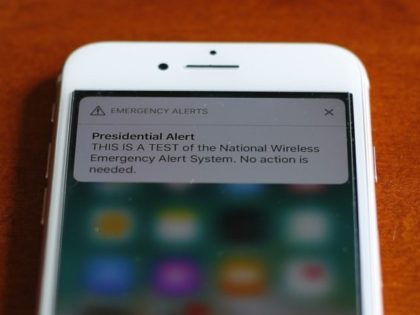
According to recent research, the U.S. emergency alert system is vulnerable to hijacking which could prove very dangerous in the hands of America’s enemies.

A top Russian cybersecurity official claimed on Thursday that Russia has been subjected to a massive campaign of cyberespionage, including attacks on government and financial institutions, and said most of the attacks are emanating from the United States.

The Baltimore City government computer system fell victim to a ransomware attack this week, marking the second time this has happened in just over a year.