New Zealand Enters Recession After Years of Lockdowns
New Zealand’s government data agency revealed the economy slipped into recession in the first quarter of 2023.
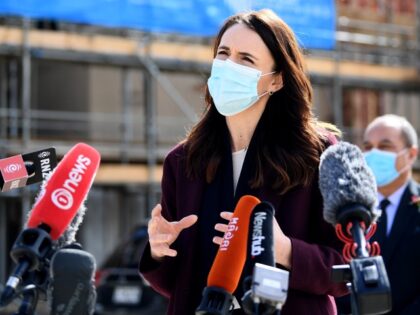
New Zealand’s government data agency revealed the economy slipped into recession in the first quarter of 2023.
The Federal Reserve on Wednesday announced its decision not to raise the range for its benchmark federal funds rate target, choosing to leave rates alone for the first time in 15 months.
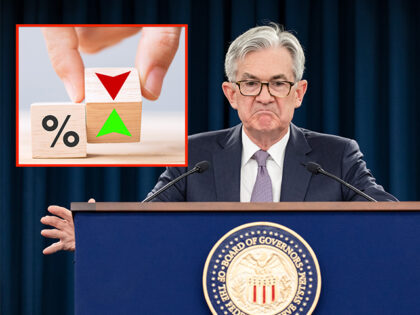
Federal Reserve policymakers left the central bank’s benchmark interest rate unchanged despite inflation that has run above its target for over two years.
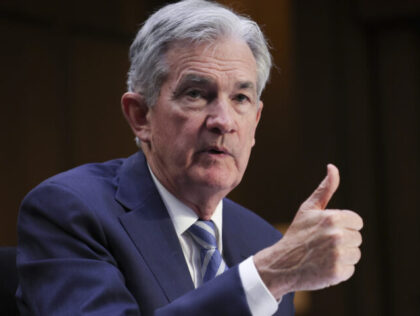
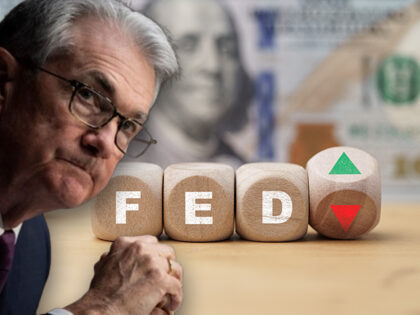
Federal Reserve Chairman Jerome Powell will get his pause.
The stage is set for the Federal Reserve to take a breather at its next meeting, probably with the explanation that it wants to assess the effects of the earlier interest rate hikes on the economy.
Just like in the U.S., inflation and labor markets have tested the central bank’s resolve to stay on the sidelines.
The Federal Reserve’s Summary of Economic Projections from March now appear to be seriously outdated.

You could not wish for a better illustration of how hard it is to read the economic signals these days than the dueling services sector purchasing managers indexes released on Monday.
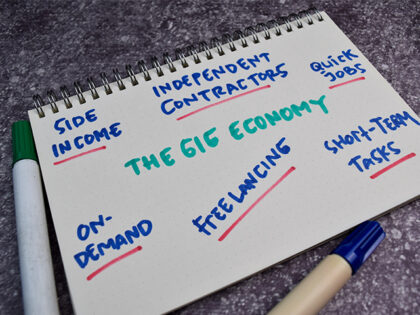
A decline in the self-employed gig economy could be pulling more workers into payroll jobs while also increasing the unemployment rate, Breitbart Economics Editor John Carney explained.
The labor market is putting the Federal Reserve to the test.

On Wednesday’s broadcast of CNBC’s “Squawk Box,” Professor of Economics at Harvard University and former International Monetary Fund Chief Economist Ken Rogoff stated that “the underlying CPI, the underlying core inflation is still pretty strong” and that there will be
The deal to suspend the limit on federal government debt until 2025 removes one of the obstacles to another Federal Reserve rate increase.
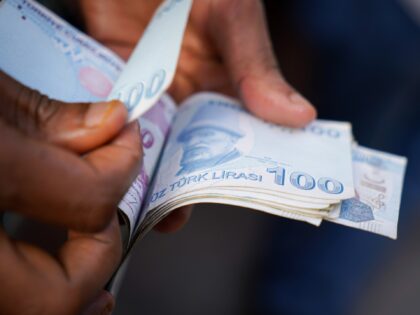
Turkey’s currency, the lira, sank to a record low on Monday as markets reacted to the re-election of President Recep Tayyip Erdogan.
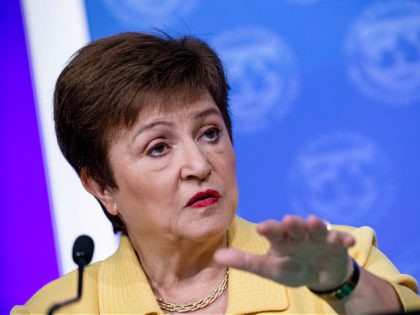
On Friday’s broadcast of CNBC’s “The Exchange,” International Monetary Fund Managing Director Kristalina Georgieva discussed the IMF’s newest report on the U.S. economy and stated that “inflation is stubborn, it is way too high,” which “means that the Fed will have
Kemal Kilicdaroglu, the opposition candidate seeking to dethrone President Recep Tayyip Erdogan in a tense runoff election, which will conclude this weekend, went into the home stretch promising voters he will issue regulations to ease their credit card debts if he wins.

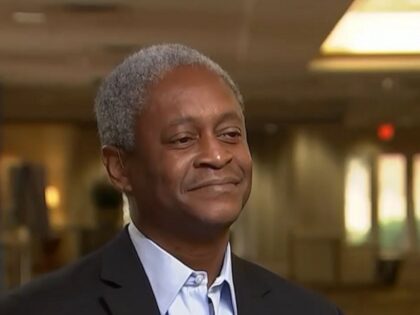
On Monday’s broadcast of CNBC’s “Squawk Box,” Atlanta Federal Reserve President Raphael Bostic said that he won’t be thinking about cutting interest rates “until well into” next year and that he probably wouldn’t cut interest rates if there was a
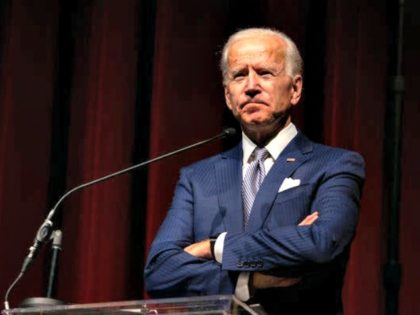
David Bahnsen, chief investment officer at The Bahnsen Group, discussed House Speaker Kevin McCarthy’s (R-CA) debt ceiling success earlier in the week and said President Joe Biden “will have to” negotiate with Republicans as a result.
The bottom line for next week’s meeting of the Federal Open Market Committee is another 25 basis point hike.
The first-quarter GDP report bears all the signs of stagflation and makes a Fed rate hike all but inevitable, Breitbart Economics Editor John Carney told Fox Business host Larry Kudlow.
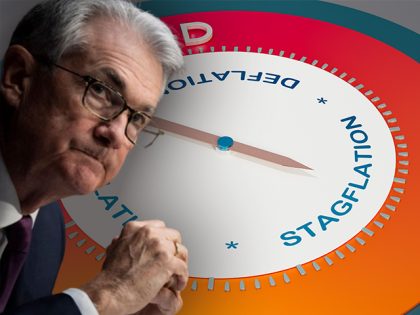
Federal Reserve Chairman Jerome Powell could influence the current debt ceiling debate by informing Congress that the Fed will be forced to continue raising interest rates to counter the inflation fueled by government overspending, Breitbart Economics Editor John Carney said.
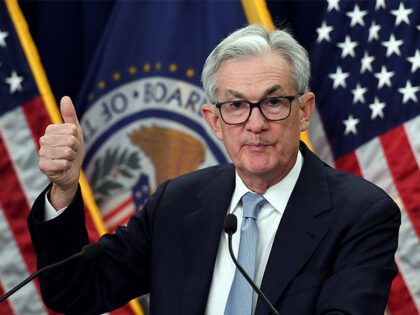
On Monday’s broadcast of CNBC’s “Squawk Box,” economist and President of Queens’ College Dr. Mohamed El-Erian stated that inflation has now migrated into areas of the economy that are not as sensitive to the Federal Reserve’s interest rate hikes and so
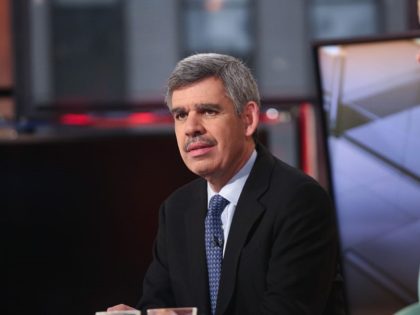
The stock market is still “at loggerheads with the Fed” thinking the central bank will cut interest rates this year, Breitbart Economics Editor John Carney told Fox Business host Larry Kudlow.
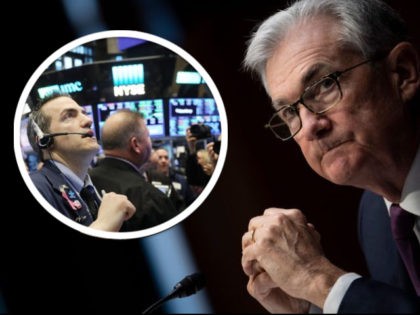
The Bank Panic Is Not Getting Worse The banking panic appears to have receded, at least for the time being. The Federal Reserve on Thursday released its weekly balance sheet report, affectionately known as “factors affecting reserve balances” or “H.4.1”
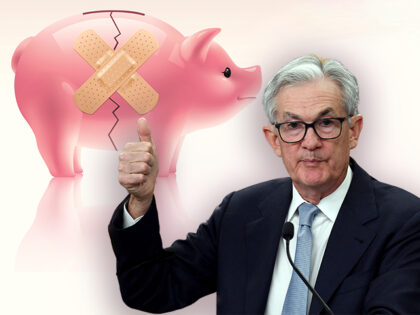
The money supply stayed higher for longer, so inflation and economic growth are likely to stay higher for longer too.
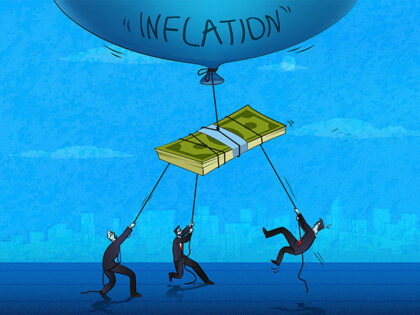
On Saturday’s broadcast of MSNBC’s “Velshi,” House Financial Services Committee Ranking Member Rep. Maxine Waters (D-CA) stated that raising interest rates to lower inflation “has not been working in the way that it should.” And “it doesn’t look good right
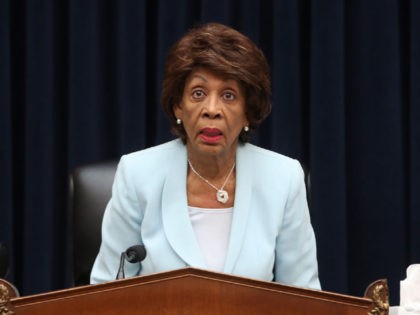
On Wednesday’s broadcast of CNN International’s “One World,” CNN host, International Business Correspondent, and CNN Business Editor-at-Large Richard Quest stated that the Federal Reserve’s interest rate hike will make things “worse” for banks because “all the banks are stuffed to

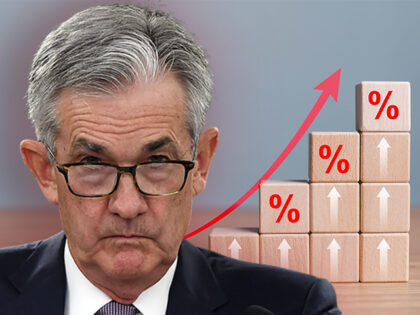
Federal Reserve Chairman Jerome Powell said on Wednesday that inflation remains “too high” and has a “likely bumpy” and “long way” to go until it reaches the intended two percent, where the Fed would like it to be.
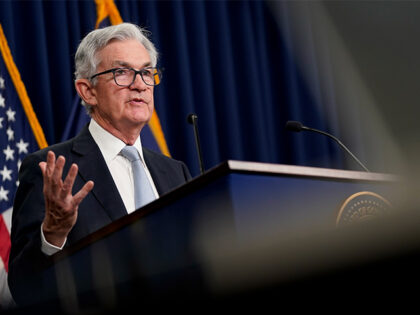
The Federal Reserve continued to increase interest rates by quarter of percent (25 basis points) on Wednesday, a decision subject to speculation by financial experts, as the central bank weighed reducing soaring inflation and the stability of the banking system.
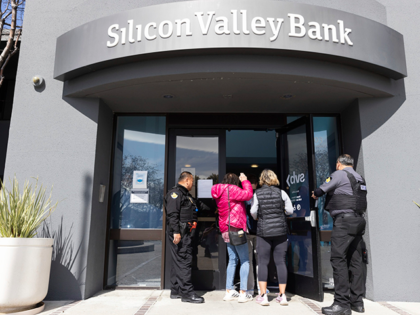
During an interview with CBS News on Tuesday, Moody’s Analytics Chief Economist Mark Zandi stated that the problems in the banking industry are the inevitable result of rate hikes by the Federal Reserve where “things are going to start to wobble and break and it’s going to feel uncomfortable.”
It seems very unlikely that the Federal Reserve will end its rate hike cycle.
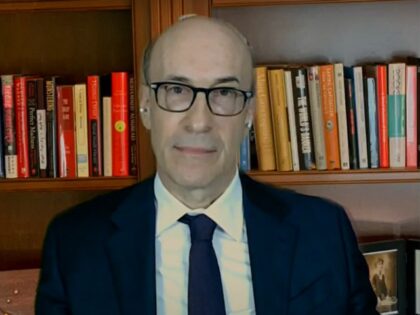
On Tuesday’s broadcast of CNN International’s “One World,” Harvard University Economics Professor and former International Monetary Fund Chief Economist Ken Rogoff argued that “inflation’s deeply embedded in the rest of the economy.” And the Federal Reserve will have to keep
On Tuesday’s broadcast of CNN International’s “First Move,” Moody’s Analytics Chief Economist Mark Zandi stated that the February inflation report does justify a hike in interest rates because inflation is “still a little on the hot side.” But, given the
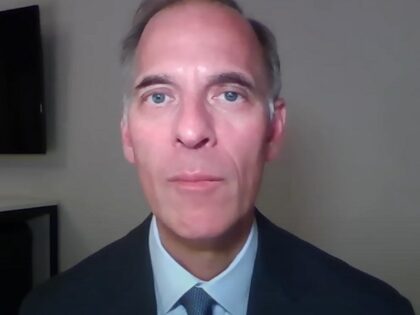
On Friday’s broadcast of the Fox News Channel’s “Your World,” House Ways and Means Committee Chairman Rep. Jason Smith (R-MO) reacted to the collapse of Silicon Valley Bank (SVB) by noting that interest rates have been rapidly skyrocketing, arguing President
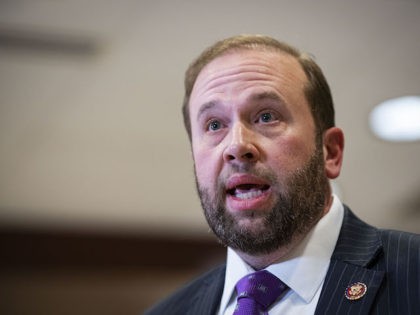
Chris Whalen, chairman of Whalen Global Advisors, blamed Federal Reserve Chair Jerome Powell for the failure of Silicon Valley Bank (SVP) in a Friday interview on Forward Guidance with host Jack Farley.
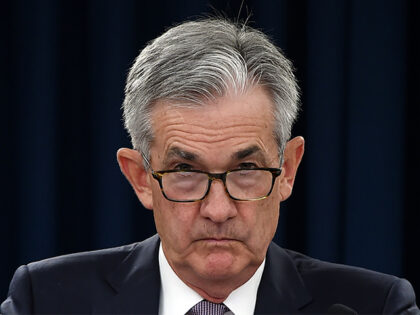
The market’s expectations for the rate hike coming out of the March meeting of the Federal Open Market Committee (FOMC) moved violently on Tuesday as the Fed chief testified before the Senate Banking Committee.
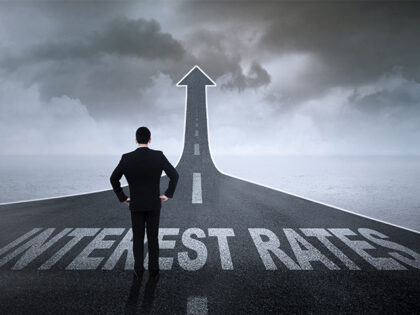
Hotter than expected data has forced the Fed to rethink the pace and peak of interest rates.
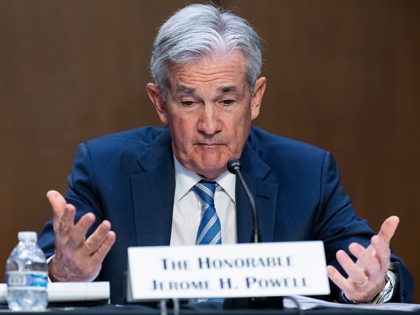
The Federal Reserve officials may “chicken out” from raising interest rates at their next meeting, Breitbart Economics Editor John Carney told Fox Business’ Larry Kudlow.
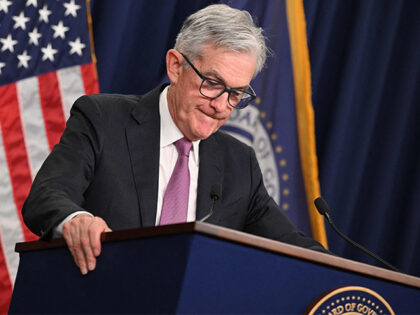
Following a week of data showing unexpectedly resurgent inflation, fed funds futures contracts now indicate the Federal Reserve will hike its target rate up by half a percentage point in the coming months.
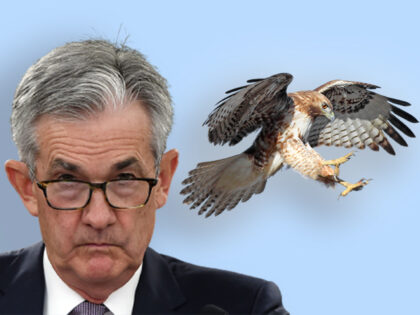
During an interview aired on Friday’s edition of Bloomberg’s “Wall Street Week,” Harvard Professor, economist, Director of the National Economic Council under President Barack Obama, and Treasury Secretary under President Bill Clinton Larry Summers stated that he believes the debt-to-GDP
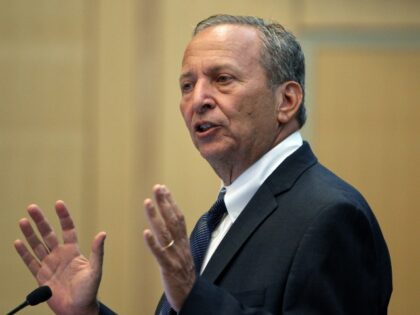
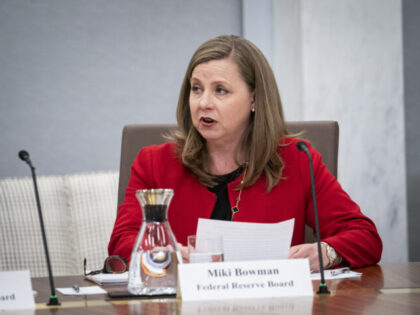
The Federal Reserve is likely to have to keep raising interest rates to a “sufficiently restrictive level” to bring down inflation, Federal Reserve Governor Michelle Bowman said Monday. “I expect that ongoing increases will be appropriate to bring the federal