Lebanese Blogger’s Clip Slamming Hezbollah as ‘Worse than Israel’ Goes Viral
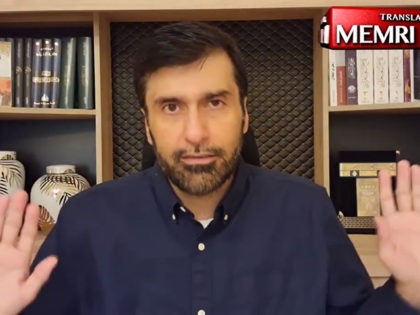
A Lebanese blogger’s attack on Hezbollah in the wake of the deadly August 4 explosion at the Beirut port went viral on social media.

A Lebanese blogger’s attack on Hezbollah in the wake of the deadly August 4 explosion at the Beirut port went viral on social media.
A Qatari sociologist says “blasphemy” in Lebanon – including an anti-Islamic culture of gays, promiscuous women, and plastic surgery – is to blame for last week’s port explosion in Beirut.
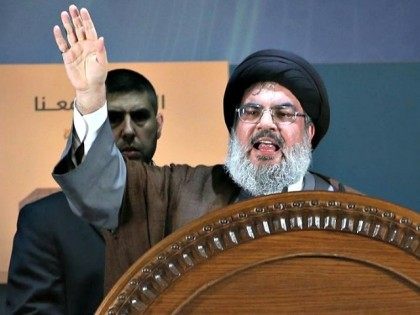
Subhi al-Tufayli, leader of the Iran-backed terrorist organization Hezbollah in the 1980s, on Tuesday held current leader Hassan Nasrallah responsible for last week’s deadly Beirut explosion and called on Lebanese authorities to put him on trial, along with his patron Ayatollah Ali Khamenei, the Supreme Leader of Iran.
A bombshell report published by Reuters on Tuesday revealed that senior Lebanese officials received warnings as recently as last month that a cache of highly combustible ammonium nitrate held at the Port of Beirut was a threat to its densely populated surroundings and should be moved.
Tehran — Iran is watching developments in Lebanon closely, wary of losing any of its hard-won influence after a deadly mega-blast in Beirut sparked angry demands for reforms to its delicately balanced system.
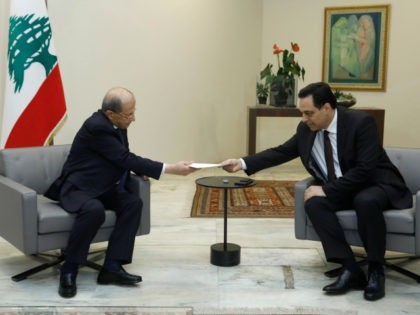
Lebanese Prime Minister Hassan Diab resigned on Monday afternoon, following the resignations of several other top ministers and effectively bringing the current Lebanese government to a close.
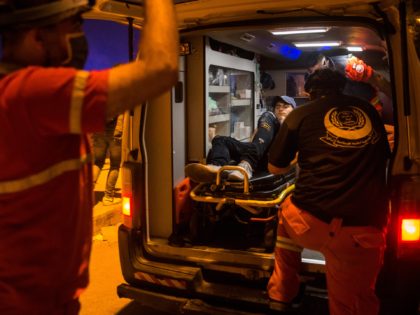
A police officer in Beirut was reportedly killed on Saturday and hundreds were injured as angry protests swept the devastated city over the weekend.
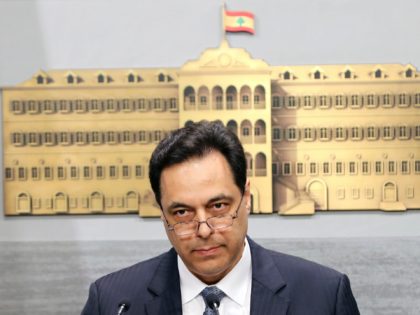
Reports in multiple Middle Eastern outlets suggested on Sunday that Lebanon’s Prime Minister Hassan Diab may soon step down following the mass resignations of nine lawmakers and four of the nation’s 20 ministers. A third of ministers must resign for the government to collapse.
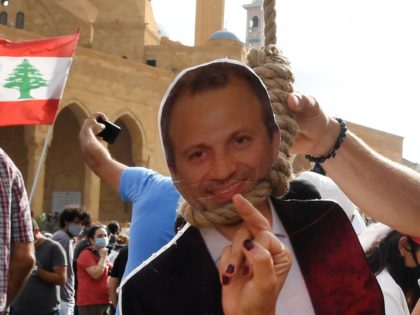
Lebanese protesters have hung in effigy an image of Hezbollah terror chief Hassan Nasrallah during protests outside the country’s parliament in Beirut, amid mounting anger over the government’s silence after last Tuesday’s explosion killed more than 160 people, injured 6,000 more and destroyed large swaths of the city.
An estimated 80,000 children have been displaced by the explosion in the Port of Beirut on Tuesday, the United Nations Children’s Fund (UNICEF) said on Thursday.
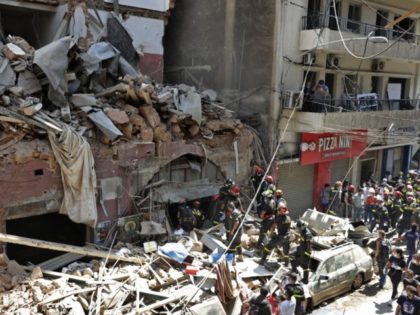
Lebanese diaspora from all over the world are mobilizing a “financial bloodline” to the crisis-stricken country after a series of devastating explosions rocked the capital of Beirut on Tuesday, causing billions of dollars worth of damage.

Col. Joseph Skaf, former chief of drug control for the Lebanese customs agency, wrote a letter in 2014 warning that a cargo of 2,750 tons of ammonium nitrate seized from a Russian-owned ship the previous year at the Port of Beirut was “highly dangerous and constitutes a threat to public safety.” Skaf died under cloudy circumstances in 2017, while the cargo he warned about evidently detonated on Tuesday, causing over a hundred deaths and wiping out a sizable portion of the city.
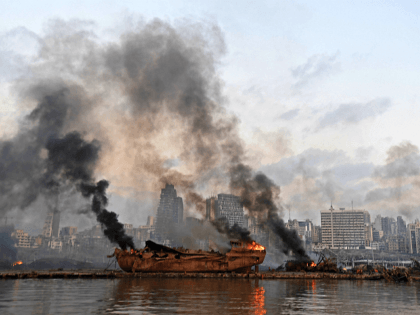
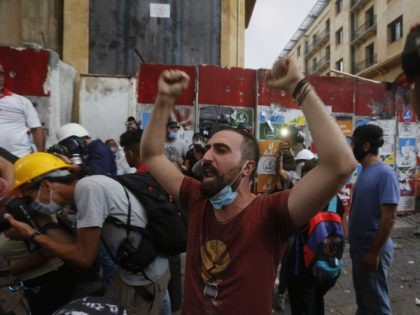
Dozens of residents of Beirut, Lebanon, took the streets late Thursday to demand accountability from their government after an explosion destroyed much of the city’s port area, leaving at least 150 dead, 5,000 injured, and hundreds of thousands homeless. Security forces responded by tear-gassing desperate residents.
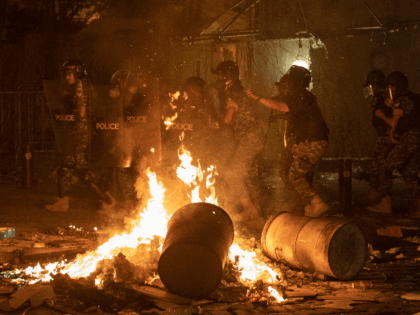
Lebanese President Michel Aoun said on Friday that the cause of the titanic explosion in Beirut on Tuesday “has not been determined yet,” and authorities have not ruled out “possibility of external interference through a rocket or bomb or other act.”
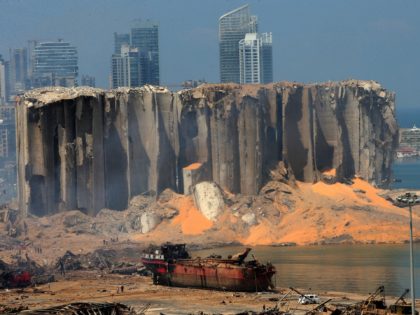
International rescue teams were still hard at work in Beirut’s port searching for bodies on Friday, a full three days after a cataclysmic blast sent a wave of destruction through Lebanon’s capital, killing nearly 150 people and wounding thousands.
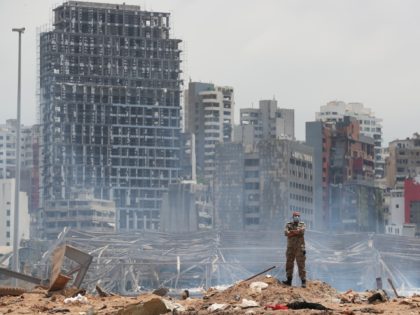
The U.S. “should lift sanctions imposed against Lebanese people” following the port explosion in Beirut on Tuesday, Iran’s Foreign Ministry said on Thursday.
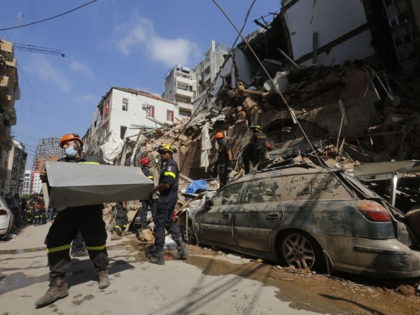
A Lebanese lawmaker revealed evidence on Wednesday that customs officials tried to get the government to secure a stash of ammonium nitrate, a combustible material, at least six times and received no guidance.
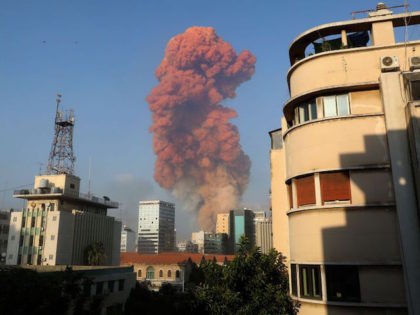
Iran’s state-run Fars News Agency quoted “experts” on Wednesday who said the massive explosion in Beirut, currently deemed an accident by Lebanese officials, bears a suspicious resemblance to “Israeli-style operations in the past.”
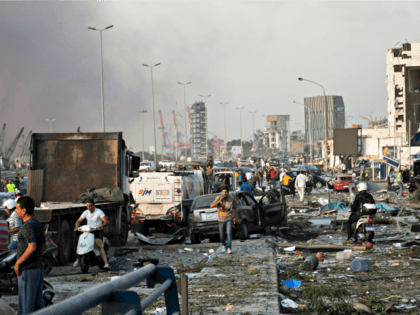
A prominent commentator in Lebanon suggested late Wednesday that a top Chinese construction firm could take up the herculean task of reconstructing the Port of Beirut after a massive explosion destroyed much of the site and surrounding neighborhoods.
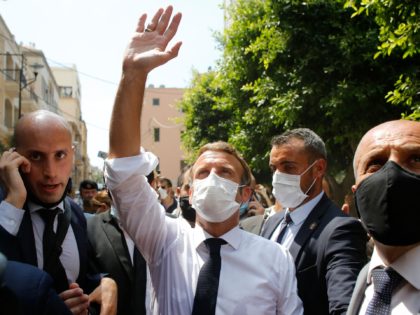
French President Emmanuel Macron toured the streets of Beirut, Lebanon, on Thursday, becoming the first head of state to do so following Tuesday’s devastating explosion, including Lebanese President Michel Aoun.
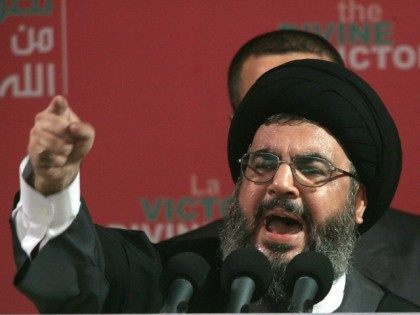
Hezbollah leader Hassan Nasrallah has in the past threatened to annihilate Israel with what he described as a “nuclear” explosion at the Haifa port using the same chemicals found at the Beirut blast, The Jerusalem Post reported Wednesday.
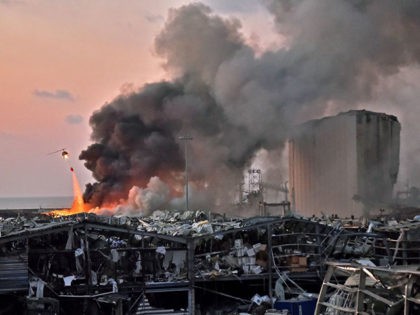
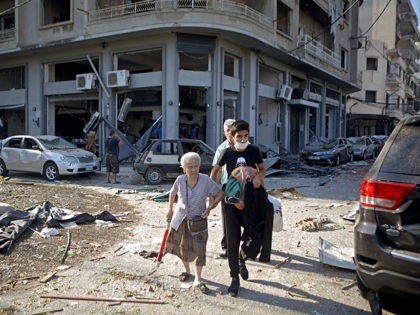
Beirut has endured many horrors in its 5,000-year history, but nothing like the massive explosion that ripped through the ancient Mediterranean port city on Tuesday, leaving thousands of casualties, 300,000 homeless, and over $10 billion in damage in its wake. Now the indomitable Lebanese are digging themselves out from the rumble and demanding answers from their political elites.
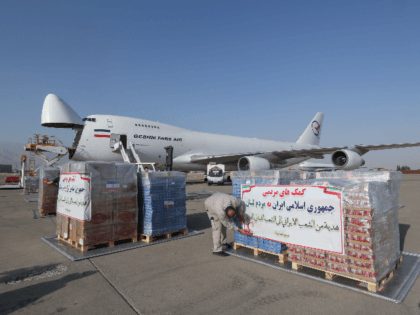
The government of Iran and leaders of Hezbollah, Iran’s terrorist proxy group in Lebanon, offered assistance to the city of Beirut after a massive explosion on Tuesday caused enormous damage and casualties.
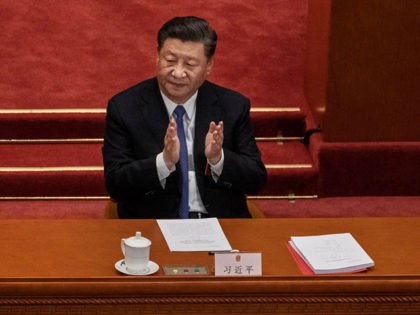
China’s dictator Xi Jinping rapidly issued a statement lamenting the deadly explosion in Beirut, Lebanon, reportedly expressing condolences to President Michel Aoun on Wednesday.
The Lebanese Red Cross stated Wednesday that the gigantic explosion at the port of Beirut has killed over 100 people and injured over 4,000.
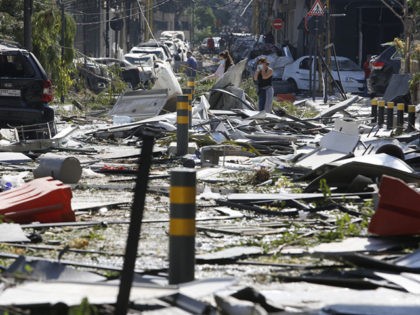
Lebanon’s executive cabinet agreed to place under house arrest every Beirut port official responsible for storing confiscated items Wednesday in response to a massive blast in the port that has killed at least 100 and left thousands homeless.
Lebanese officials said on Wednesday the massive explosion that rocked Beirut on Tuesday occurred when a large cargo of ammonium nitrate seized from a cargo ship in 2013 and left in a warehouse in the Port of Beirut for six years caught fire and exploded.
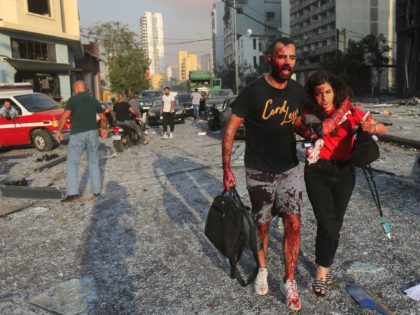
The Iranian news agency Mehr published an article Wednesday speculating that the deadly explosion that destroyed large parts of Beirut, Lebanon, the day before was the product of U.S. “sabotage.”
Israel offered humanitarian aid to its ostensible enemy, Lebanon, after a massive explosion at a Beirut port killed at least 100 people and injured thousands more, leaving large swaths of the capital in ruins.
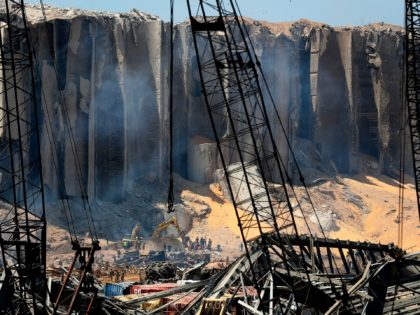
Tuesday’s explosion was devastating blow even for a city that has endured a 15-year civil war, suicide bombings, foreign bombardments, and political assassinations.
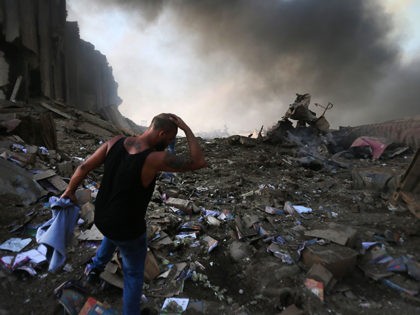
“This was not some kind of manufacturing explosion type of event,” he said. “This was a – seems to be, according to them. They would know better than I would. They seem to think it was an attack. It was a bomb of some kind, yes.”