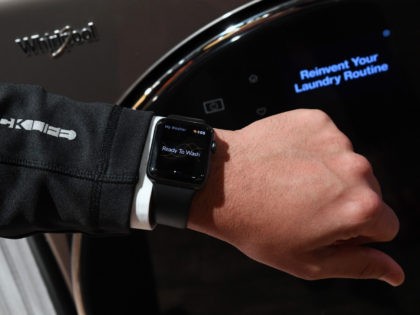
Forget ‘Kitchen Table’ Economics: Even The Kitchen Table Is Too Expensive
It isn’t just getting more expensive to put food on the kitchen table. It’s getting costlier to just get a kitchen table to begin with.

It isn’t just getting more expensive to put food on the kitchen table. It’s getting costlier to just get a kitchen table to begin with.
Sen. Rick Scott (R-FL), chair of the National Republican Senatorial Committee (NRSC), renewed his call for “substantive fiscal reforms” and concluded that President Biden has “failed at practically every aspect of his job” in light of the Department of Labor’s latest Consumer Price Index (CPI) report, showing staggering increases across the board.
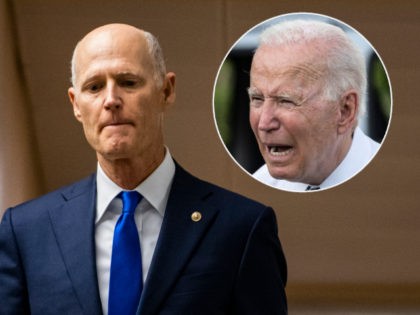
Prices jumped 2.5 percent in a single month!

Inflation has been running very hot for nine straight months and shows no signs of peaking.

Much worse than expected.
President Joe Biden was hammered for December’s 40-year-high inflation report by members of the establishment media; Washington, DC, insiders; and lawmakers.

The seventh straight month of inflation running above five percent.
Real average weekly earnings are down 1.4 percent compared with a year ago.
In the era of Bidenflation, it is getting much more expensive to buy a car, drive a car, repair a car, or insure a car.
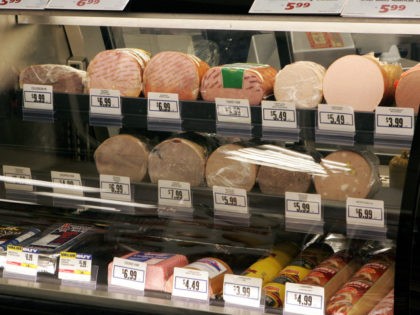
Food inflation is broad-based and sizzling hot, covering nearly everything American families buy for breakfast.
October’s inflation was much worse than expected.
The Department of Labor issued its twin inflation reports, known as the Consumer Price Index and the Producer Price Index, this week. They both showed the prices of many popular holiday gifts have shot up over the past twelve months.

American families were hit with huge price hikes throughout the grocery store aisles in September, indicating that inflationary pressures are picking up steam.

The pace of inflation picked up in September, pushing prices up by more than expected, data from the Department of Labor showed Wednesday.
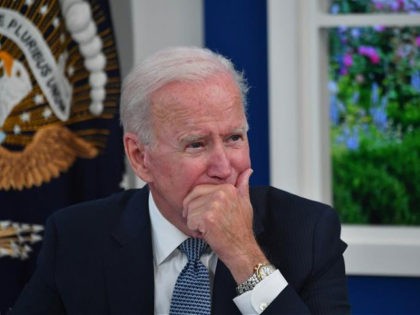
Bacon prices are up 17 percent compared with a year ago. Eggs are up 9.9 percent. Even salad dressing is getting more expensive.
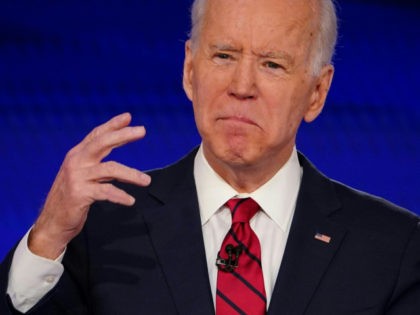
Consumer prices rose again in August, albeit at a slower pace than earlier in the summer. The Consumer Price Index rose 5.3 percent compared with a year ago, the Department of Labor said Tuesday. On a monthly basis, the CPI
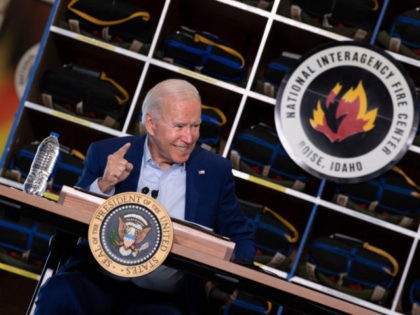
The great used car inflation of 2021 has slowed down, but inflation is still rising in less volatile categories of consumer goods and services, data from the Bureau of Labor Statistics showed Wednesday.
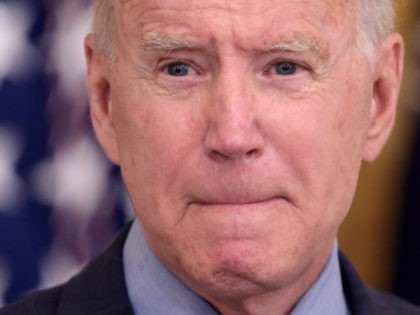
The monthly inflation figure was nearly twice as high as expected.

The Consumer Price Index climbed 4.2 percent annually in April. Compared with March, prices rose 0.8 percent.
Prices for dresses and suits are down by 16.8 percent.

The Consumer Price Index rose 0.4 percent compared with January, in line with expectations. Compared with a year ago, prices were up 1.7 percent, also in line with the forecast by economists.

After months of falling prices and depressed demand, prices in many apparel categories rose for the second consecutive month in December.

The price of men’s suits have fallen by more than 20% compared with a year ago.

Despite a record-high federal budget deficit and unprecedented levels of liquidity provided by the Federal Reserve, inflation is dead.
A huge surge of demand for used cars is being fueled by the changes wrought to American life by the pandemic.

U.S. consumer goods prices moved up a bit in September but overall inflationary pressures weakened.

Broad gains in prices suggest the economy is still healing.

A big jump after months of the federal government’s massive fiscal response to the coronavirus pandemic.

The Consumer Price Index showed that prices for many goods and services ticked up a bit in June but no sign of rising inflationary pressure.
Beef prices jumped 69 percent in May, according to the Producer Price Index.

Consumer prices fell in May, thanks to big declines in the prices of gasoline, clothing, and car insurance. But prices in groceries jumped higher for the second straight month.
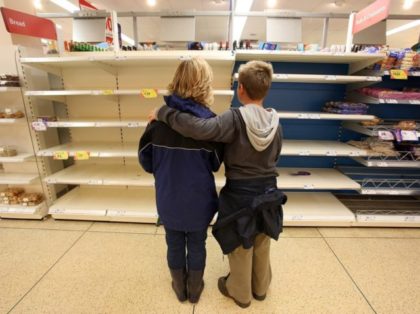
Prices plummeted in April as the lockdowns left many Americans without jobs and sheltering at home.
Core inflation fell for the first time in ten years as the coronavirus took hold of the U.S. economy.
Defying widespread predictions that higher tariffs on Chinese televisions would push up prices, prices keep falling.

As it turns out, Breitbart has been right all along. Tariffs did not squeeze American consumers.

Inflation has been slowing down for the last two months, suggesting that the Fed will not hike rates this year.

Tariffs weren’t the Grinch who stole Christmas after all. Prices of phones, computers, televisions, and toys are down while wages are up.

The prices of cars, trucks, computers, phones, televisions, and beer have fallen, disproving the tariff-led inflation hysteria.
The Consumer Price Index was flat for September, vindicating Trump’s claim that there is no inflation in the U.S. economy.

New data from the Consumer Price Index once again demonstrate that tariffs are not raising prices for consumers.