inflation - Page 2
Inflation Fell Further In July as Prescription Drugs, Gasoline, and Grocery Prices Decline
The consumer price index rose 0.1 percent compared with June, the Department of Labor said Wednesday. Compared with a year ago, the consumer price index is up 3.4 percent.

GOP Sen. Kennedy: Labor Market ‘Okay,’ ‘Not Great’, Tariffs a Cause of Inflation
On Wednesday’s broadcast of Bloomberg’s “Balance of Power,” Sen. John Kennedy (R-LA) discussed the Federal Reserve’s decision on rates earlier in the day and said that “The labor market’s okay, it’s not great” and tariffs are one cause of inflation.

A Divided Fed Holds Interest Rates Steady
The Federal Reserve on Wednesday held its benchmark interest rate steady, in a range of 3.5 percent to 3.75 percent. Nine voting members of the Fed’s monetary policy unit, the Federal Open Market Committee, voted to keep rates unchanged. Three
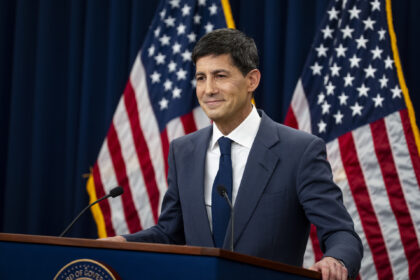
Breitbart Business Digest: The Fed Should Stay on the Sidelines This Week
The Federal Open Market Committee will meet this week, and the swaps market thinks there’s a significant chance it will decide to hike rates.

GOP Rep. Loudermilk: Iran ‘Not Going to Negotiate’, Still Trying to Build Nuke
On Wednesday’s broadcast of NewsNation’s “The Hill,” Rep. Barry Loudermilk (R-GA) said that Iran is “not going to negotiate. They’re not willing to negotiate.” And “they have no interest in negotiating any resolution with the United States.” Loudermilk said, “[T]he

GOP Rep. Loudermilk: Tariffs, ‘in Some Elements,’ Have ‘Contributed to This Continual Rise in Cost’
On Wednesday’s broadcast of NewsNation’s “The Hill,” Rep. Barry Loudermilk (R-GA) said that tariffs are “one of the sticking points that have also, in some elements, have contributed to this continual rise in cost and the fluctuation in costs and

Rand Paul: Defense Spending Proposal More than You Can Print, People Already Feeling Inflation Pinch, Debt Is Biggest Threat
On Tuesday’s broadcast of Bloomberg’s “Balance of Power,” Sen. Rand Paul (R-KY) said that the proposal for defense spending is so much that “you can’t even print it that fast,” “it threatens our country. The biggest threat we have right

Breitbart Business Digest: The Best Inflation Report in Modern History
The June inflation report was even better than it looks.

Inflation Crushed: Consumer Prices Fall Sharply in June, Much Better Than Expected, Biggest Decline in Six Years
The consumer price index fell for the first time since 2020.
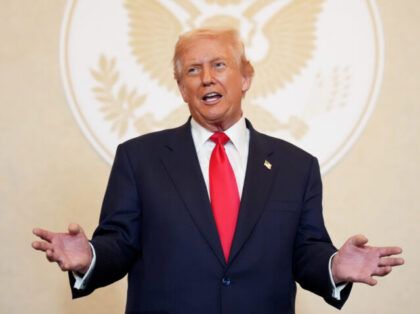
Fed Minutes Show Fed Officials Divided On Likely Path of Rates
Fed officials were divided last month when it came to the direction of rates this year, minutes from the Fed’s June meeting indicated.

Walmart Cuts Prices on Thousands of Summer Items, Drawing Trump’s Praise
“Walmart is stepping up in a big and bold way, and other Retailers should follow the lead of these absolute Patriots,” Trump wrote on Truth Social.

Poll: Susan Collins Keeps Edge over Democrat Graham Platner in Maine
A Fox News poll published Tuesday shows the 2026 Maine Senate race remains tight, with incumbent Republican Sen. Susan Collins holding a narrow lead over Democrat Graham Platner.

Breitbart Business Digest: American Consumers Powered Through the Oil Shock
An important test of economic policy is the ability of an economy to withstand a negative shock. This spring, the U.S. economy passed the test with honors.

Gasoline Pushes Inflation To Three Year High
The personal consumption expenditures price index climbed 4.1 percent last month from a year earlier, the largest year-over-year price increase since April 2023. Compared with the prior month, prices rose 0.4 percent.

Dem Rep. Stanton: We Should Celebrate Biden ‘Successes’, ‘Particularly the Inflation Reduction Act’
On Monday’s broadcast of “CNN News Central,” Rep. Greg Stanton (D-AZ) said that in dealing with former President Joe Biden going forward, “we should be celebrating the successes that happened during the Joe Biden administration, particularly the Inflation Reduction Act,
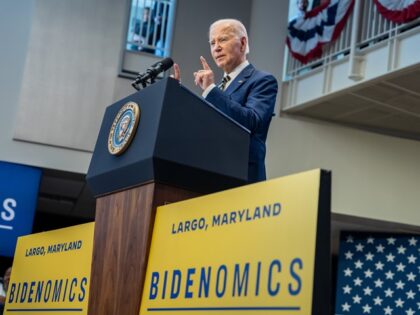
Breitbart Business Digest: Are We Out of the Woods Yet?
A pair of reports on American businesses suggests that the U.S. economy was remarkably resilient against the pressures created by the Iran War.

Business Inflation Expectations Edge Down to 2.3%
The Federal Reserve Bank of Atlanta’s monthly survey of where businesses see inflation going showed the median expectation is for unit costs to rise 2.3 percent over the coming year, down from 2.4 percent a month earlier.

Breitbart Business Digest: Prices Keep Rising…Even for the Government
Consumers may feel the tides of inflation washing over our ankles again. The government sector, however, is neck deep in it.

Producer Prices Rise At Fastest Annual Pace in Over Three Years
The prices paid to U.S. businesses for goods and services rose at the fastest annual pace in more than three years in May, driven by higher energy costs. The Department of Labor said its producer price index (PPI) for final

Breitbart Business Digest: Here’s the Good News on Inflation
The good news is that inflation cooled in May, and inflationary pressures are not spreading from the energy sector to the rest of the economy.
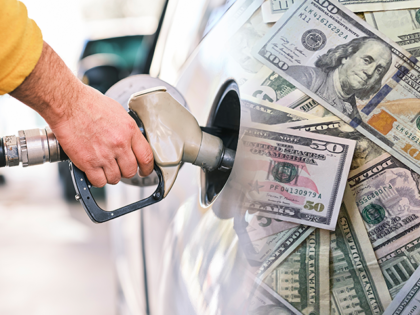
Drug Prices Fall For the Third Straight Month, Showing Progress on Key Trump Promise
Prescription drug prices declined 0.9 percent in May, bringing the three-month cumulative decline to 2.39 percent since February.

Inflation Slowed In May Even While Annual Gain Rose To 4.2%
The consumer price index rose 0.5 percent in May compared with April, the Department of Labor said Wednesday. Compared with a year ago, prices are up 4.2 percent. Those increases were in line with expectations.

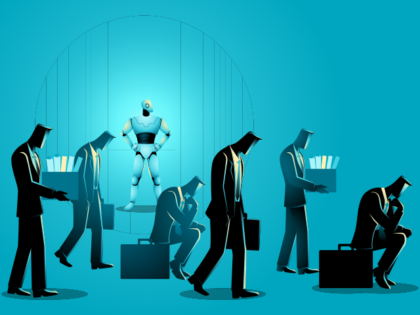
Breitbart Business Digest: AI Anxiety and the Fed Are Scaring Workers, But the Labor Market Isn’t
The Federal Reserve Bank of New York released the results of its monthly consumer expectations survey, and the results provided ammunition to both optimists and pessimists.
Breitbart Business Digest: Never Mind the Sentiment, Consumers Are Alright
Someone forgot to tell American consumers that they are supposed to be deeply depressed.

Fed’s Preferred Inflation Gauge Rose Less Than Expected in April, Consumer Spending Pressured By High Gas Prices
The personal consumption expenditures price index moved up 0.4 percent last month compared with March, according to the Commerce Department’s Bureau of Economic Analysis. Economists had forecast the index would rise by 0.5 percent.

Breitbart Business Digest: Economic Gloom Is Spreading to Trump’s Voters
Americans are increasingly gloomy about the U.S. economy.
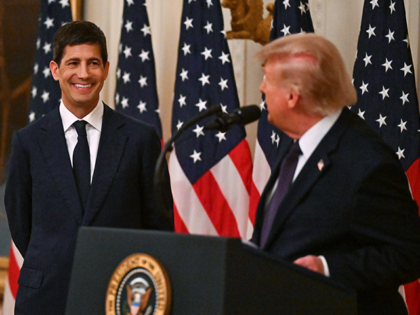
Breitbart Business Digest: World War Warsh—The Battle Over the Fed’s Future
The dominant view on Wall Street is that Kevin Warsh’s Fed is going to have to raise rates rather than cut them, likely as early as this year.
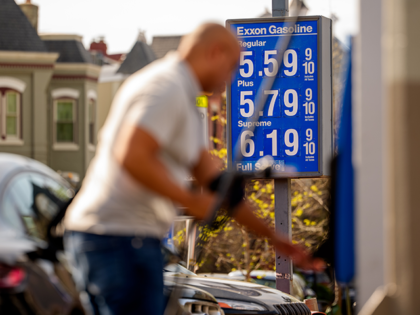
Walmart Absorbs Higher Gas Prices, Takes Profit Hit Instead of Raising Customer Prices
Higher gas prices are not being passed on to Walmart customers, hurting the companies earnings and forecasts even as sales continue to rise.

Breitbart Business Digest: When a Productivity Boom Meets a Tight Labor Market
The U.S. economy has come to an unusual crossroads. Productivity is accelerating, the labor market remains historically tight, and workforce growth has stalled.

Business Inflation Expectations Climb For Third Straight Month
Rising expectations of inflation give the Fed another reason to stay on hold.

Breitbart Business Digest: Republican Economic Optimism Is Getting Pulled Down By Tides of War
With only five and a half months to go before the midterm elections, Republican optimism about the economy is struggling against the tides of high gasoline prices, the renewed rise in inflation, and a market increasingly convinced that interest rates are not coming down soon.
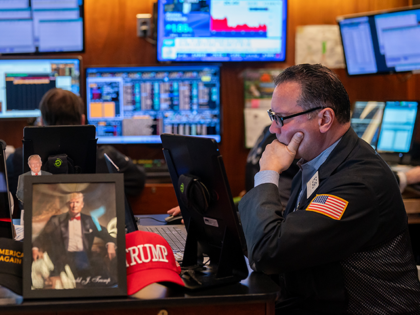
Breitbart Business Digest: Manufacturing Roars While Jerome Powell Cleans Out His Desk
This week saw Jerome Powell give up his crown but insist on still lurking in the cloakroom.
Dem Rep. Schrier: Inflation’s Worse in My Blue State — Need to End War, Deal with Gouging
During an interview with Seattle ABC affiliate KOMO on Wednesday, Rep. Kim Schrier (D-WA) stated that the latest inflation numbers are “Really bad” but Washington has it worse, “about 1% worse than the rest of the country,” and “the tariffs did

Breitbart Business Digest: The AI Inflation Shock Hidden Inside the PPI Report
Hidden beneath the soaring energy prices, the April PPI revealed that we’re seeing a totally different kind of inflation in another part of the economy.

Producer Prices Surge Past Expectations in April, Largest Monthly Gain Since 2022
Prices for goods and services produced by U.S. companies soared in April, far exceeding economists’ estimates and marking the worst monthly inflation in more than four years.

Breitbart Business Digest: The April Inflation Report Was Even Worse Than It Looked
We better hope that April showers bring May flowers because last month we got drenched in inflation.

Soaring Energy Prices Push Consumer Inflation Up To 3.8%
The consumer price index rose 0.6 percent in April, the Department of Labor said Tuesday. Compared with a year ago, prices are up 3.8 percent. This matched expectations.
