World View: Political Crisis in Iran Grows over Nuclear Agreement
Contents: Political crisis in Iran grows over nuclear agreement; Iran arrests journalists for allowing U.S. ‘infiltration network’; The coming regime change in Iran
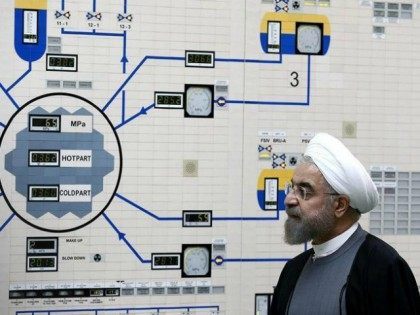
Contents: Political crisis in Iran grows over nuclear agreement; Iran arrests journalists for allowing U.S. ‘infiltration network’; The coming regime change in Iran
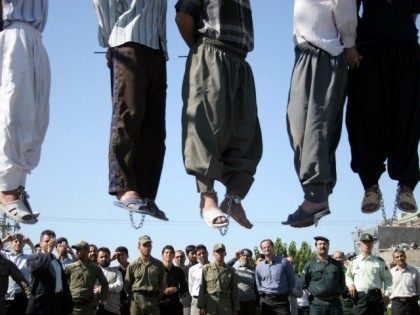
A report released this month on “The Situation of Human Rights in the Islamic Republic of Iran” reveals that Iranians are worse off under “moderate” President Hassan Rouhani than his more conservative predecessor Mahmoud Ahmadinejad and that, based on their current trajectory, they are expected to exceed well over 1,000 executions by year’s end.
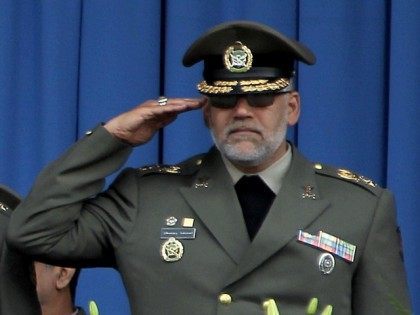
Speaking in an interview with Iran’s Al Alam TV on Monday, Iranian Brigadier Gen. Ahmad Reza Pourdastan said the “Zionist regime’s” collapse may happen in less than 25 years.
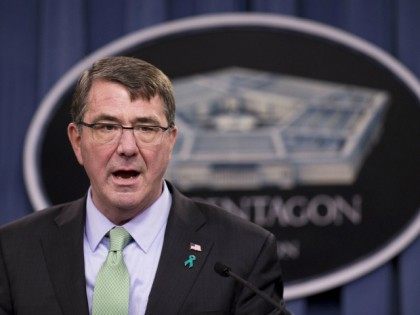
While being questioned by Lindsey Graham about the means through which the Obama administration intended to secure the ousting of Syrian dictator Bashar al-Assad, Secretary of Defense Ashton Carter conceded that such efforts were “principally political.”
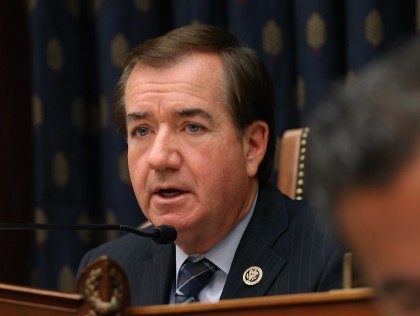
House Foreign Affairs Committee Chairman Rep. Ed Royce (R-CA) issued a statement on “Adoption Day” of the Iran deal this Sunday, claiming that the Obama Administration “is looking more naive by the day” in its faith that the Iranian regime will live up to its end of the bargain when considering their activity over the last three months–let alone 35 years.
Less than a month after a hardline member of Iran’s Parliament compared the historic handshake between President Barack Obama and Iranian Foreign Minister Javad Zarif to signing a pact with the devil, several other members of Parliament (MP) in the Islamic Republic have threatened to execute Zarif and the head of Iran’s Atomic Energy Organization (AEO), Ali Akbar Salehi, over their nuclear deal with the Western world.
The Iranian parliament has rejected the formal, legal text of the President Barack Obama’s nuclear deal, negotiated in July by the U.S., U.K., France, Germany, Russia, China and the Tehran regime. Instead, the majilis approved their own version of the Joint Comprehensive Plan of Action (JCPOA), creating a situation where the Iranian government simple hasn’t signed onto the nukes-and-trade deal that Obama, Democrats and the GOP leaders has obligated the United States to uphold.
Congressman Ted Lieu (D-CA) joined the ranks of a growing number of Democrats opposed to the Iran deal on Wednesday.

Nearly 200 retired U.S. generals and admirals have signed an open letter opposing the Iran deal and urging Congress to reject the “defective” agreement.

The Reform Jewish movement, the liberal denomination that represents a plurality of American Jews, has declined to endorse, or oppose, the Iran deal.
Rep. Alcee Hastings (D-FL) announced on Thursday that he will vote against the Iran nuclear deal.
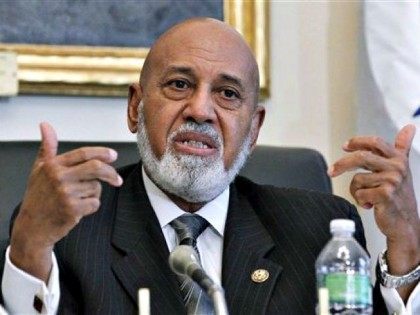
The Iranian regime has filed a complaint with the International Atomic Energy Agency, alleging that the United States has already broken the nuclear deal.
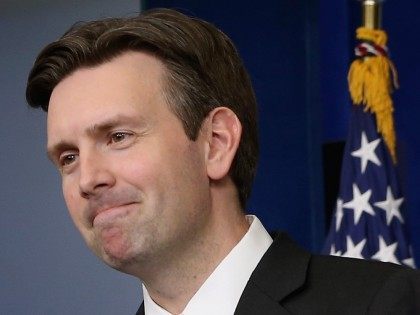
The government of Iran is presenting its deal with Obama to their people and legislature as a triumph, speaking openly about provisions that have been misrepresented to the American people and Congress by the Obama administration.
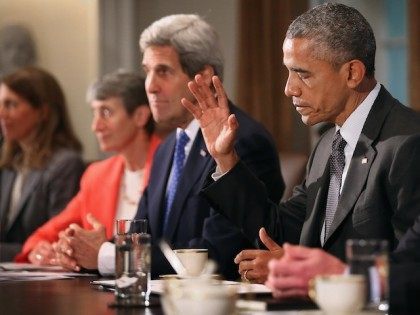
The Obama administration has sent the Iran nuclear deal to Congress for a 60-day review provided by the Corker bill. However, President Barack Obama has pre-empted Congress by going to the UN Security Council first, which has already voted to end international sanctions and accept the deal. Furthermore, even if Congress rejects the deal, it will struggle to muster a two-thirds majority to override the president’s veto. There is one effective way, however, that the Iran deal can be rejected: states and local governments can refuse to comply with it.
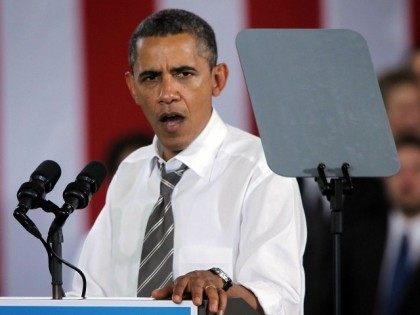
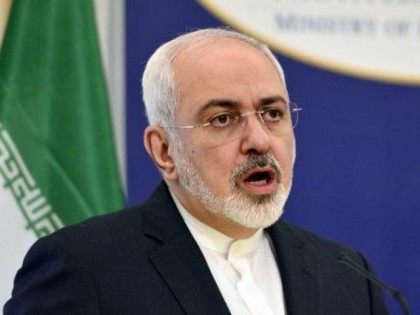
Iranian regime Foreign Minister Javad Zarif said Tuesday that he was upset by comments made by U.S. Secretary of Defense Ash Carter, who declared before his trip to Israel that the recently agreed-upon Iran nuclear deal “does nothing to prevent the military option” against Tehran’s nuclear facilities.
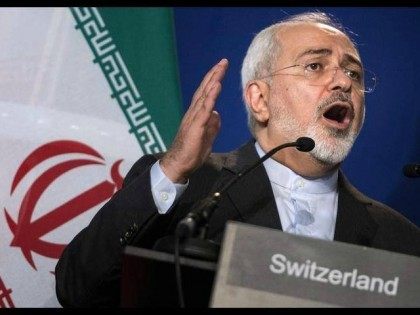
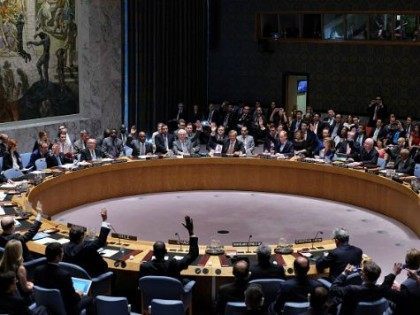
The United Nations Security Council voted 15-0 on Monday to pass Resolution 2231, which endorses the Iran nuclear deal–“the Joint Comprehensive Plan of Action [JCPOA] signed in Vienna by the five permanent members of the Council, plus Germany, the European Union and Iran.” However, there are already sharp disagreements between Iran and the rest of the world as to what that deal actually means.
Well over 30 years after he was set free from being held hostage for 444 days by his Middle Eastern captors, Texan Rick Kupke is still saying the Iranian regime cannot be trusted