Australia in $3.8bn Boost to Weapons Manufacturing and Global Exports
Australia has announced an ambitious plan to fund the development and manufacture of a range of military weapons as part of a push to become a major arms exporter.
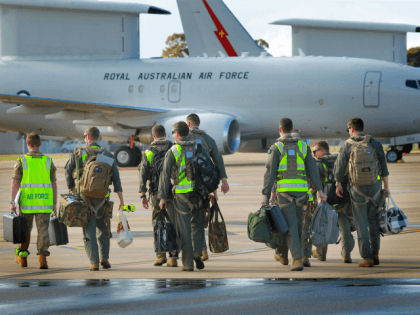
Australia has announced an ambitious plan to fund the development and manufacture of a range of military weapons as part of a push to become a major arms exporter.
Contents: China’s Mekong River dams criticized for affecting other countries’ livelihoods; In policy shift, US sides with Indonesia in South China Sea over Natuna Sea
The latest American freedom of navigation patrol in the South China Sea provoked an angry response from China, delivered through editorials in state-run media that blamed the United States for escalating tensions in the region.
India reportedly tested a long-range ballistic missile last week, the subcontinent’s fifth such test, which traveled 3,000 miles and is capable of reaching China.
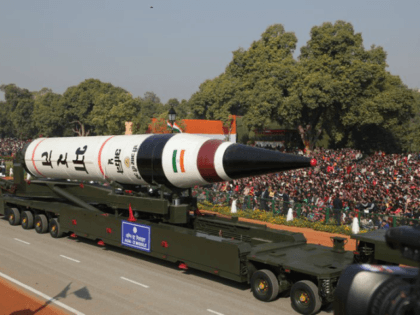
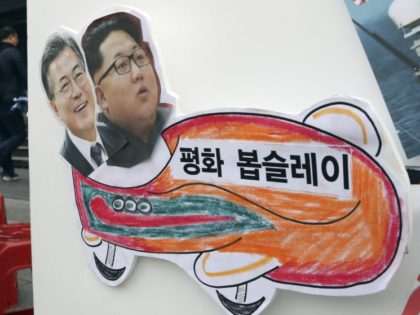
Contents: US, Canada sponsor international North Korea meeting to send signal to China, Russia; North Korea’s Olympics publicity stunt gains widespread media adoration
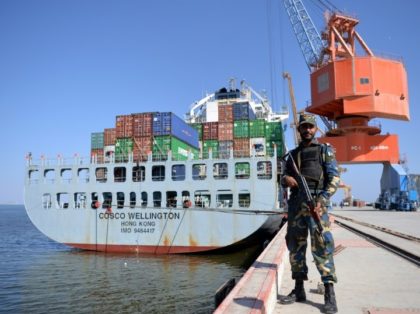
Contents: US-Pakistan relations continue as before, despite US aid cutoff; US requests Pakistan’s permission to ship Afghan supplies through Gwadar seaport
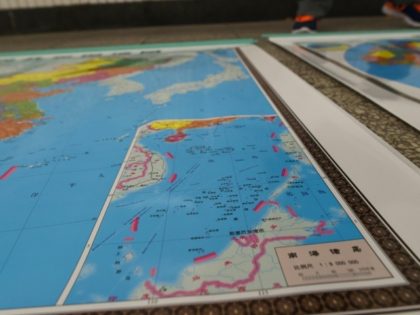
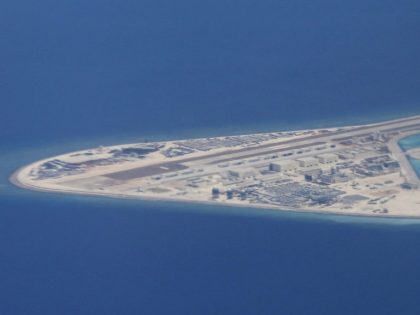
The government of the Philippines announced on Tuesday that it would lodge a formal diplomatic protest with China over its construction of an airbase on the disputed Fiery Cross Reef, part of the Spratly Islands in the South China Sea.
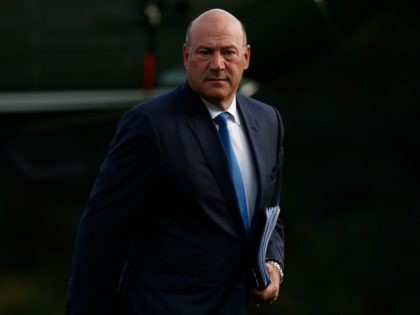
White House National Economic Council Director Gary Cohn described China as an “important ally” of the United States in an interview with Mike Allen of Axios on Wednesday — just days after President Donald Trump’s National Security Strategy described China as an adversarial “revisionist power” that steals hundreds of billions of dollars in U.S. intellectual property each year and is working to “shape a world antithetical to U.S. values and interests.”
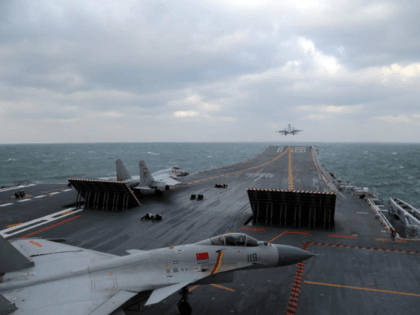
The Chinese People’s Liberation Army (PLA) conducted air force exercises around Taiwan this weekend, as well as near South Korea and Japan, releasing a video of the drills.
Contents: China-Australia relations plummet over China’s illegal militarization of South China Sea; China reacts contemptuously to Australia’s foreign policy white paper; China continues aggressive military buildup in the South China Sea; Trump to target China’s unfair trade policies in National Security Strategy
A report published Thursday indicates that China has continued developing military and surveillance facilities on illegally constructed artificial islands in the South China Sea more than a year after an international tribunal ruled these constructions illegal.
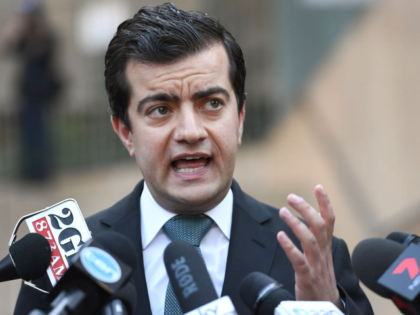
Australian Senator Sam Dastyari, a Labor Party deputy whip and committee chairman, resigned from his leadership positions on Thursday after an influence-buying scandal that stoked Australian concerns about China’s growing power in their political system.
China’s state-run Global Times announced on Tuesday that experts see potential for the illegally-constructed floating nuclear power plants in the South China Sea to provide technology that “could be applied to military nuclear vessels.”
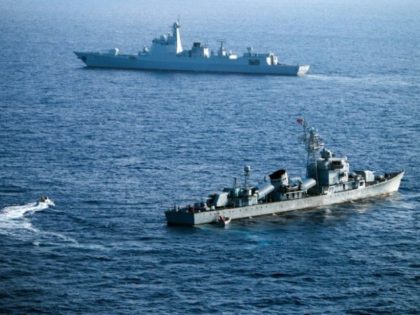
The latest issue of the National Interest asks if we are looking at “war in Asia” within the next decade or so. The question asked collectively by the headline articles is whether the multi-sided contest between China, the Koreas, and Japan can be resolved without someone, somewhere, pulling a trigger. The urgent question for U.S. policymakers is whether America can do anything to make overt hostilities less likely.
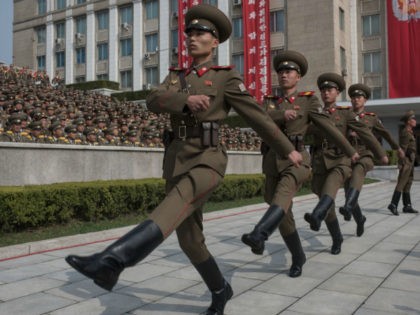
China has a plan for your future, and it’s called One Belt One Road.
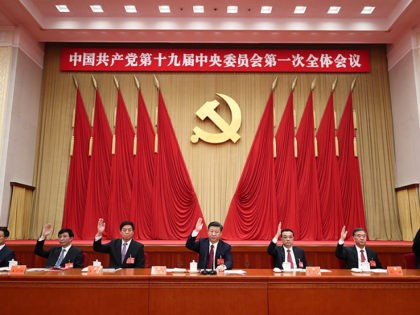
In an interesting footnote to a story from last week, Kirsty Needham of the Sydney Morning Herald noticed that China’s state-run media edited a little detail from the international version of its massive hagiography of President Xi Jinping.
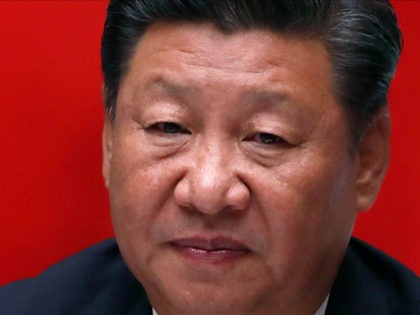
In his 12-day trip to Asia, U.S. President Donald Trump largely focused on North Korea and trade, all but avoiding the simmering disputes in the South China Sea and steering clear of sharp criticism of Beijing’s increasingly aggressive activities there.
The Chinese government’s media arm has reacted with outrage to President Donald Trump’s offer to mediate talks between the various claimants in the South China Sea, where Beijing has dedicated years to constructing sophisticated military outposts in Philippine and Vietnamese waters.
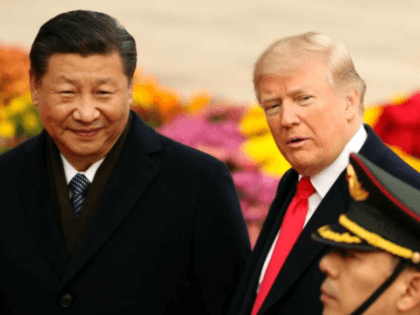
Philippines President Rodrigo Duterte joined in a performance of a Philippine love song during the Association of Southeast Asian Nations (ASEAN) gala on Sunday night, then claimed President Donald Trump “ordered” him to sing.
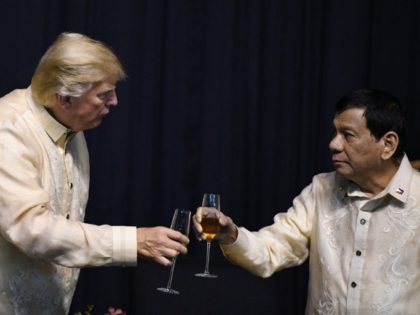
Philippine President Rodrigo Duterte told reporters on Sunday that he had kept his promise to challenge Chinese counterpart Xi Jinping on his nation’s illegal military constructions in the South China Sea. According to the Philippine Star, Duterte said Xi responded to his concerns by saying, “No, it’s nothing.”
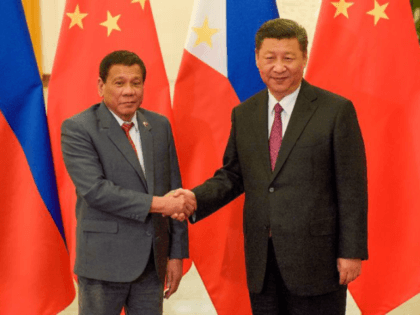
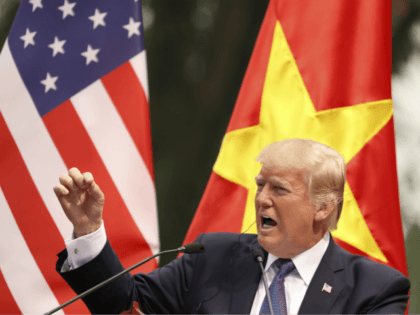
President Donald Trump said he would be happy to negotiate with China over conflicts in the South China Sea during a meeting with Vietnam president Trần Đại Quang.
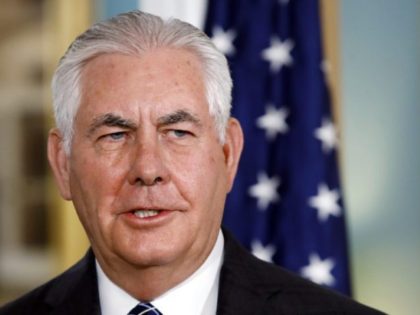
Secretary of State Rex Tillerson told reporters that American and Chinese officials “had a frank exchange” on China’s illegal colonization of the South China Sea on Thursday.
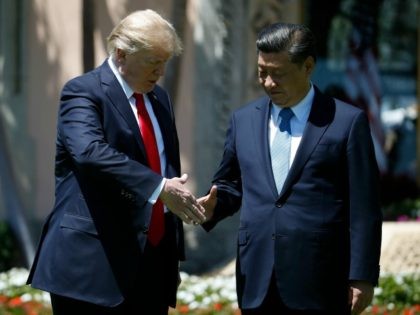
At a press conference about President Donald Trump’s upcoming visit to China, Vice Foreign Minister Zheng Zeguang on Friday asserted Chinese sovereignty over the South China Sea and expressed hope that the United States would “help and not cause problems” with China’s conquest.
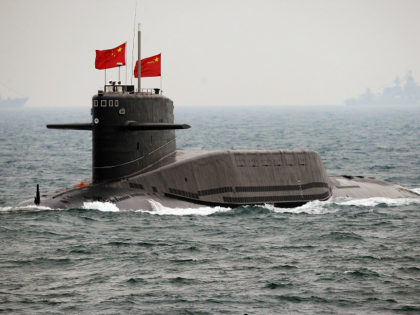
While much of the world is focused on the ballistic missile and nuclear threat from North Korea, the U.S. military in the Pacific region is also concentrating on another potential foe: China.
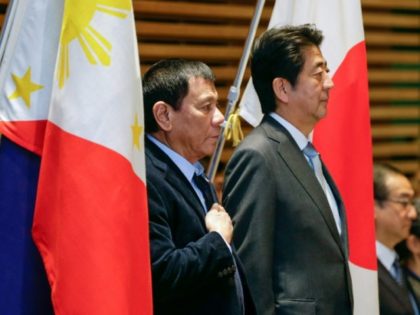
In an in-person meeting in Tokyo on Monday, Japanese Prime Minister Shinzo Abe and Philippine President Rodrigo Duterte announced a mammoth cooperation package that will infuse the Philippine economy with billions in infrastructure, business, and public safety initiatives.
Contents: Xi Jinping presents ‘Socialism with Chinese characteristics for a new era’; Xi’s Chinese Socialism and Hitler’s National Socialism
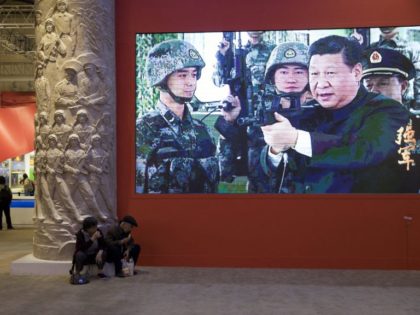
As Chinese President Xi Jinping worked to consolidate his power at the Communist Party Congress in Beijing, U.S. Secretary of State Rex Tillerson was unloading on the Chinese in an address to the Center for Strategic and International Studies in Washington on Wednesday.
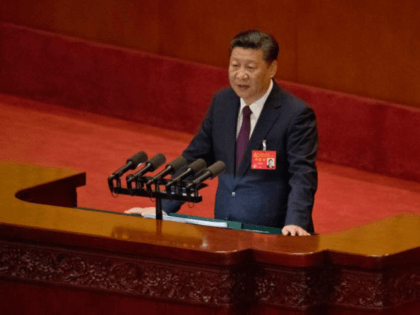
Speaking at China’s 19th Communist Party Congress, President Xi Jinping vowed to continue modernizing and expanding its armed forces, with the goal of completing modernization by 2035 and achieving a “world-class military by 2050 that can fight and win wars across all theaters.”
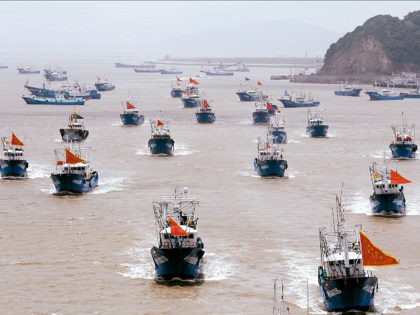
The United States should keep an eye on China’s rapidly growing naval forces, a part of which China has hidden as civilian fishing boats, a prominent U.S. expert on China warned at an event on Wednesday.
President Trump should increase the U.S. military’s presence in the South China Sea to counter a rising and increasingly belligerent China before that country’s territorial ambitions become unstoppable and make it impossible for America to come to the defense of Taiwan or other allies in the region.
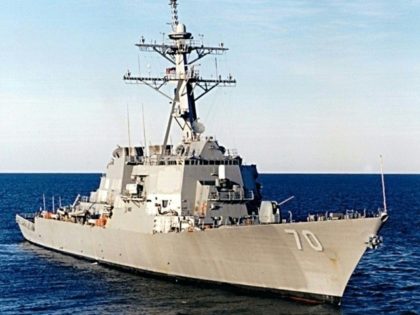
China’s foreign ministry vociferously protested the presence of the USS Chafee near the Paracel Islands on Tuesday, a naval warship conducting a “freedom of navigation” exercise in international waters that Beijing insists fall under Chinese control.
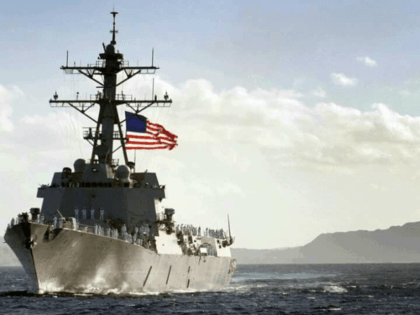
China is keeping a close watch on U.S. Navy ships in the South China Sea, even sending vessels to “check out” the ships and lingering for days, according to a recent report.
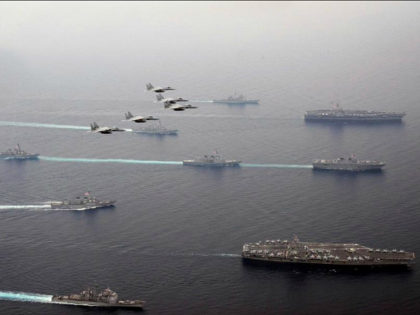
Contents: China demands that Indonesia end plans to rename its own territorial waters; Indonesia blocks China’s repeated attempts to annex Indonesia’s Natuna Islands
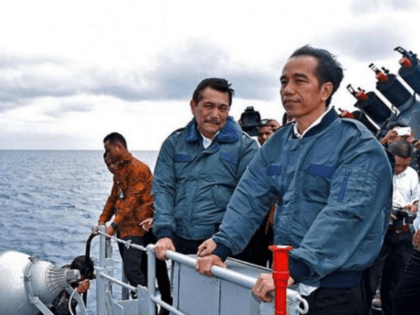
Vietnam condemned Chinese live-fire military drills near disputed islands in the South China Sea this week, but the complaint was dismissed by a Chinese official who implied Hanoi was acting irrationally.
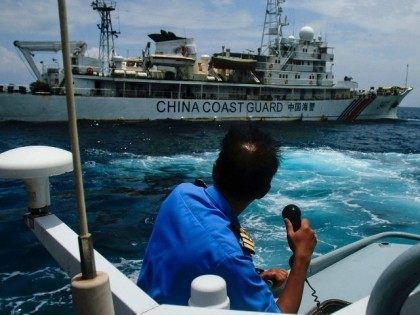
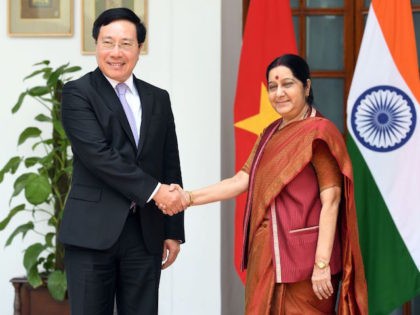
Contents: Vietnam protests China’s military drills near the Gulf of Tonkin in South China Sea; India and Vietnam become allies in confronting China
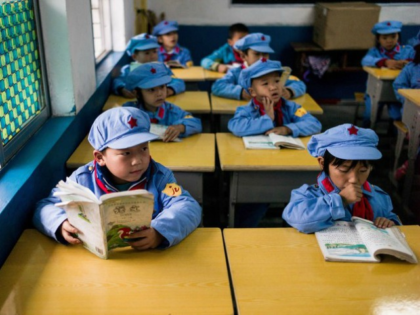
The Global Times, a Chinese state newspaper, announced Thursday that the government would soon debut a new series of textbooks that would “place greater emphasis” on the mid-20th century war between China and Japan and give them “a strong sense” of China’s claims in the South China Sea.
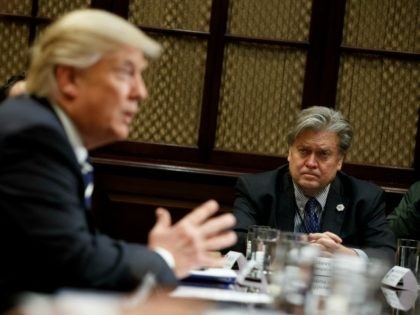
The Chinese Communist Party newspaper Global Times remarked on Steve Bannon’s departure from the White House in an editorial on Saturday. It was not a fond farewell. The Chinese are happy to see Bannon go because they dislike his focus on China fighting an “economic war” with the United States.
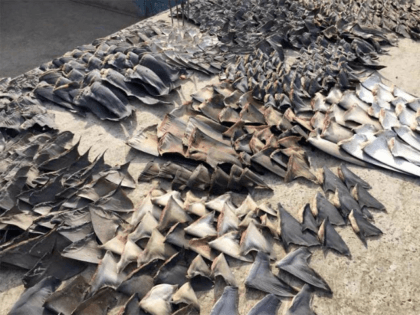
The leftist government of Ecuador, a close ally of China, has lodged a stern protest against Beijing this week after seizing an illegal fishing vessel carrying thousands of endangered sharks. China’s presence in the waters of Latin America has grown as the lucrative illegal fish market has grown.
Contents: Chinese vessels massing near Philippines island in South China Sea; Official warns may be necessary to invoke US-Philippines mutual defense treaty
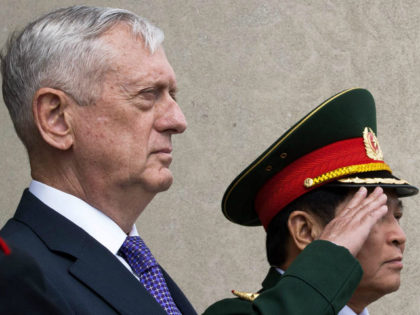
During a meeting in Washington on Tuesday, U.S. Defense Secretary James Mattis and his Vietnamese counterpart Ngo Xuan Lich agreed that an American aircraft carrier would sail to Vietnam next year, marking the first such visit since the Vietnam War ended in 1975.