New York Times: ‘Tackling the Internet’s Central Villain: the Advertising Business’
The New York Times published an op-ed recently naming the online advertising business as the “Internet’s Central Villain.”
The New York Times published an op-ed recently naming the online advertising business as the “Internet’s Central Villain.”
SCOTTeVEST CEO Scott Jordan said his company advertises on Fox News because their viewers are “extremely gullible” and “f**cking idiots.”
Facebook has announced that a system bug may have revealed users’ personal phone numbers to advertisers.
Amazon is reportedly in talks to push advertisements through their Echo smart speaker devices.

Amazon plans to challenge the online advertising duopoly of Facebook and Google by stepping into the market themselves in 2018.
A Japanese space startup company plans to launch a lunar mission to set up a projection mapping service allowing them to place advertisements on the surface of the Moon.

Cooking, cleaning mums will be banned in advertisements across the UK from next year, following a study which claimed traditional gender roles are “harmful and outdated”.

Google has once again overtaken Facebook as the number one traffic referrer in 2017.
Brave, the Internet browser from Brendan Eich — the creator of JavaScript and former Mozilla CEO chased out of the company because of political wrongthink — has announced a new feature that users might use to combat YouTube’s growing censorship of independent channels in favor of corporate brands.

The CEO of a popular advertising company has called Google a “dictator” in the ad market, criticizing the amount of power they have.
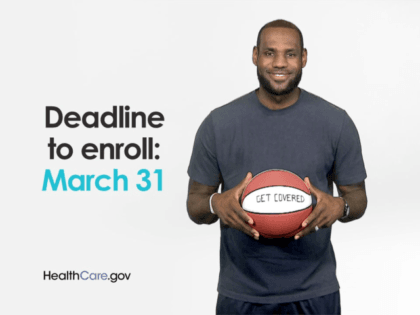
A former Obama administration official claimed that President Trump’s cuts to Obamacare’s advertising budget could cause 1.1 million fewer people to enroll in the healthcare marketplace.
Ride-sharing company Uber has demanded that their advertisements be removed from Breitbart News claiming that they want “nothing to do with” the website.
Google announced in a blog post that it will issue refunds to companies whose advertisements were viewed by bots instead of humans; some of its advertising partners will do the same.
Legislators in Washington are reportedly considering stricter regulation on Silicon Valley tech companies as digital advertising becomes a central part of American elections.
Telecommunications company Verizon reportedly plans to begin a new program which rewards users for providing their personal data to the company.

Facebook will stop pages that frequently share “fake news” from being able to purchase advertisements on the platform, according to a report.
Tech giant Google has issued refunds to advertisers overcharged by the company due to ad placement on websites that use fake internet traffic to boost ad payouts.
A survey of major advertising companies reveals they are putting diversity above market relevance by over-representing ethnic minorities and gay couples to avoid being labelled racist and homophobic.

Twitter has started beta testing a $99 per month tweet promotion service, which automatically boosts the reach and engagement of participating user’s tweets.
White House Chief Strategist Steve Bannon reportedly is calling for regulation on tech giants such as Google and Facebook.

Britain’s Advertising Standards Authority (ASA) has announced it will crack down on “gender stereotypes” in the latest politically correct move by Britain’s political establishment. In a press release issued Tuesday, the regulator’s chief executive, Guy Parker, said: “Portrayals which reinforce outdated

Facebook has banned a Western Australia anti-obesity advertisement over concerns some users may find the ad offensive.

According to the new PriceWaterhouseCoopers Entertainment and Media Global Outlook report, just five tech companies dominate nearly all online advertising. Of those five, three are primarily advertising in China.
Advertisers have begun appealing to the social justice wing of liberalism in an attempt to increase sales, according to the Guardian.

Google has confirmed that the company’s popular Chrome web browser will feature a native ad-blocker by 2018.
Facebook executives have warned investors about overestimating sales growth prospects, stating that the platform is limited in the number of ads that they can display.

According to Business Insider’s 2017 Digital Trust survey, Facebook and YouTube are regarded by consumers as having the most annoying advertisements.
Google reportedly plans to implement an ad-blocking feature directly into its Chrome web browser according to the Wall Street Journal.
Press Gazette, a British media trade magazine dedicated to journalism, has begun a campaign to highlight the advertising duopoly that Facebook and Google have established.
The CEO of WPP, the largest advertising company in the world, told CNBC that companies are looking for other platforms to place their advertising online beyond the “duopoly” of Facebook and Google. “What our clients want, and indeed what the
According to analysts from Nomura Instinet, Google could potentially lose $750 million or more as a result of the advertising boycott that it is currently facing for allowing advertisements to appear on extremist videos.
Google’s parent company Alphabet lost around $20 billion in value last week, due to a 2% drop in its share prices as a result of a coordinated advertising boycott by big companies worried about their advertising being placed next to inappropriate content.
Google’s European boss has announced a policy change along with apologizing for allowing advertisements on Google and YouTube to appear next to extremist material. Multiple organizations, including the UK government, have already pulled their advertisements for fear of damaging their brands and contributing to the funding of groups whose videos their advertisements appeared next to.

The British Government has pulled all advertising from YouTube over concerns that their adverts were appearing on “inappropriate” videos. The BBC, the Guardian and Channel 4 also backed out of YouTube advertising over similar worries. The Cabinet Office said that
Microsoft has taken the next step in pushing advertising on customers of its Windows 10 operating system, with users reporting an advertisement for Microsoft OneDrive now appearing in their File Explorer.
LONDON (AFP) – Britain will ban junk food ads aimed at children from both print and social media from next year, the advertising rules watchdog said Thursday, a move welcomed by campaigners against child obesity.

Democrat presidential candidate Hillary Clinton has recently dropped some money on advertising in the historically red Lone Star State and doing so has fueled speculation.
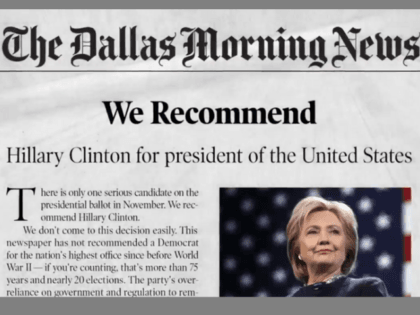
Politico reports that the Clinton campaign will spend $63,000 to reach Weather Channel viewers there for five days beginning on Thursday. The news was confirmed by the Clinton campaign.

The report, published by NBC News, finds the Clinton campaign had spent $96.4 million on TV advertising while Trump’s campaign only spent $17.3 million, The Hill reported. But the polls are showing a very tight race.

Germany will ban the usage of advert blocking software, to protect establishment media, as requested by senior politicians including Chancellor Angela Merkel. Golem, an IT news website, reported that the advertising agencies’ and media’s legal fight against advert blocking was