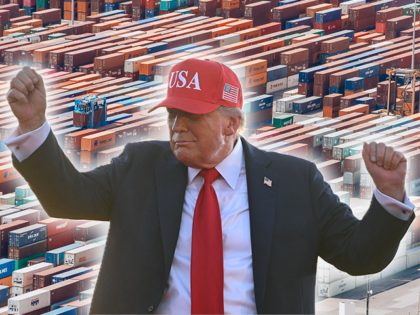
Texas Factory Output Surges to 3 Year High, Blowing Past Forecasts
Texas manufacturing activity rebounded sharply in July, with production hitting a three-year high.


Texas manufacturing activity rebounded sharply in July, with production hitting a three-year high.
The Federal Reserve’s latest FOMC minutes offer a peek into the mind of an institution trying to explain why its insistence that tariffs would trigger inflation keeps misfiring.
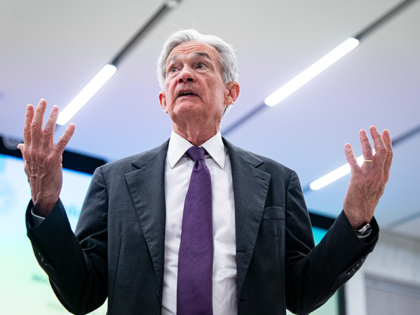
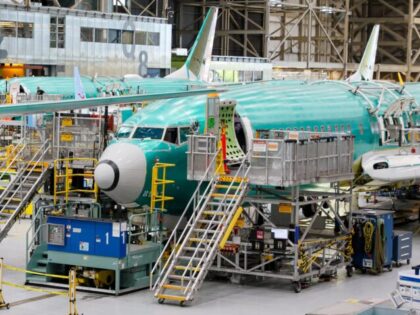
New orders for long-lasting manufactured goods fell sharply in June, dragged down by a steep drop in aircraft demand that reversed a spike the previous month. But orders outside the volatile transportation sector rose for a third straight month, signaling
The Congressional Budget Office has released a new report laying out how it will evaluate budgetary proposals to end the government’s control of Fannie Mae and Freddie Mac.
Sales of newly built single-family homes in the United States rose slightly in June but remained well below expectations, as elevated mortgage rates and affordability concerns continued to weigh on demand. The U.S. Census Bureau and the Department of Housing
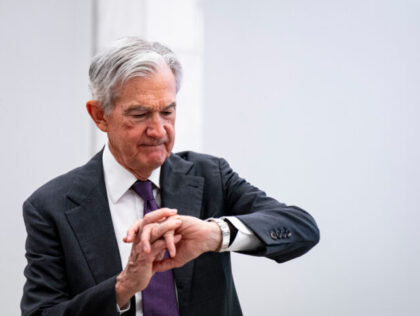
For decades, the elite consensus warned that any move toward tariff leverage would invite disaster. Trump has now signed three major deals in which the opposite happened.
Sales of previously owned homes declined more than expected in June, as elevated mortgage rates continued to suppress buyer activity despite rising inventory levels.

One reason economists continue to be surprised by incoming data is that American households are stubbornly refusing to behave the way models expect.
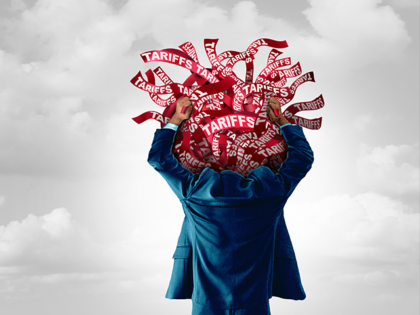
Trump announces new pacts featuring zero tariffs on U.S. exports and 19% levies on imports.
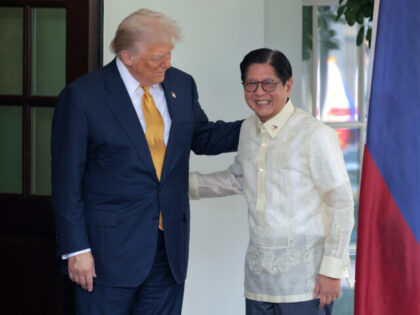
Production of business equipment and capital expenditures are surging, indicating a major investment wave has begun, Treasury Secretary Scott Bessent said Tuesday morning. “Business equipment production jumped 11% annualized in Q2 after a huge 23% gain in Q1 — the
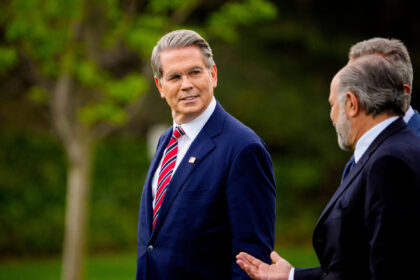
“There’s nothing that tells me that he should step down right now,” Bessent said during an interview with Maria Bartiromo on Fox Business. “His term ends in May.”
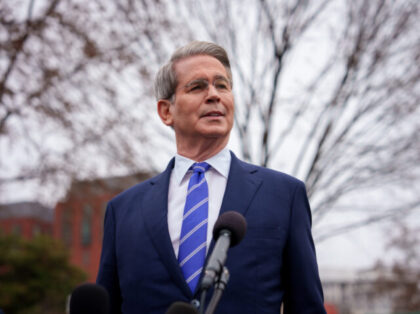
Federal Reserve chairman Jerome Powell should step down in order to protect Fed independence, according to Mohamed El-Erian. El-Erian is the former chief executive of Pimco and Harvard University’s investment arm. He is currently president of Queen’s College in the
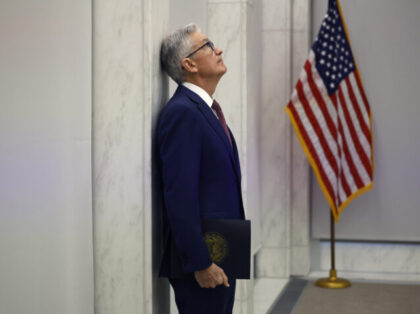
The Republican base has rediscovered its roots as the party of America First economic nationalism.
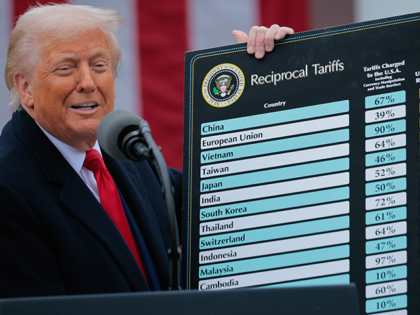
Treasury Secretary Scott Bessent on Monday called for a deep and wide review of the Federal Reserve, questioning whether the central bank is failing at its central missions of conducting monetary policy, supervising the biggest banks, and ensuring financial stability.
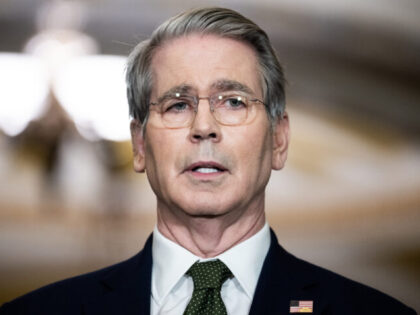
Federal Reserve Governor Christopher Waller has signaled he may vote for a rate cut, a direct challenge the Fed’s sluggish response to evolving economic conditions.

The monolithic thinking about tariffs and inflation at the Fed has been shattered, as Fed Governor Chris Waller shows leadership by breaking with Jerome Powell.
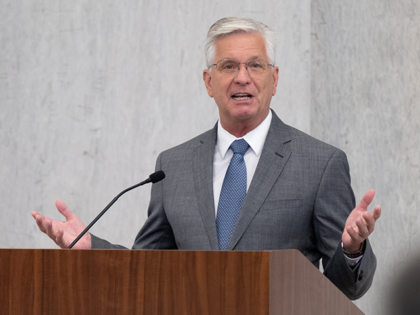
After five months of better than expected inflation reports, Americans are no longer worried about a tariff-led price surge.
Waller says that tariffs will not create lasting inflation and the Fed should cut at its meeting later this month.
Coca-Cola decision in 1984 to use high-fructose corn syrup instead of real cane sugar was caused by Cold War diplomacy, subsidized overproduction, and a technological leap that turned surplus grain into shelf-stable sweetener.

Economists keep underestimating the strength of the U.S. economy.
June data show falling import prices despite rising inflation, pointing to tariff absorption abroad.
U.S. import prices rose modestly in June, suggesting little evidence of inflationary pressure from foreign-sourced goods, according to data released Thursday by the Bureau of Labor Statistics. The import price index increased 0.1 percent last month, following a downwardly revised
The June Producer Price Index (PPI) delivered another blow to the inflation hawks who insist tariffs are driving up prices.
Since February, the price of eggs has fallen by 61.2 percent. By contrast, in the final months of Joe Biden’s presidency, the price of eggs rose by 227.1 percent.
Prices paid to American businesses for goods and services held steady in June, defying predictions that tariffs would create inflationary presssures in the U.S. economy.
June’s CPI data showed what tariffs can do and what they haven’t done. They’ve jiggled a few prices, but they haven’t unmoored the economy.

Consumer prices continue to defy predictions that tariffs would create inflationary pressures.
If you were trying to make tariffs look like a policy disaster, you’d do exactly what a team of economists at the Federal Reserve Bank of San Francisco just did: assume every trading partner hits back just as hard and that America just stands there and takes it.

The Trump administration is turning up the heat on Fed chairman Jerome Powell.
The S&P 500 is up 25 percent since the Liberation Day sell-off.
One of the best kept secrets in the world today is that Americans are feeling far better about the economy than they have in years.
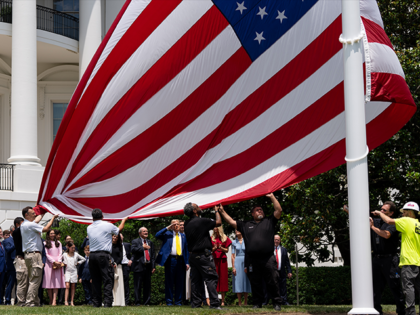
The $27 billion surplus reported Friday by the Treasury Department stood in stark contrast to forecasts for a $50 billion deficit, representing one of the largest upside surprises in recent budget data.
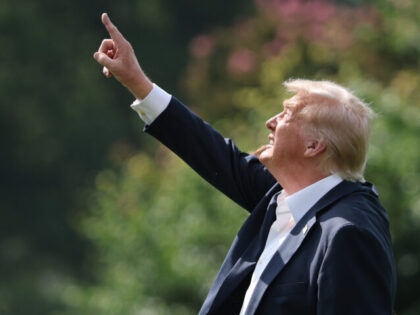
President Donald Trump said Thursday that the U.S. will impose a 35 percent tariff on goods coming into the US from Canada. The tariff will take effect on August 1.
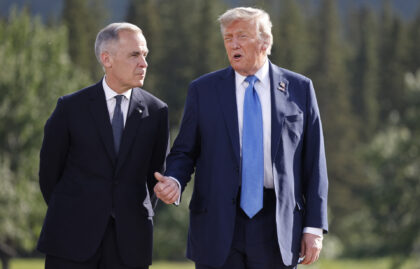
In a recent series of Truth Social posts, the president made the case that the strength of the U.S. economy justifies lower interest rates.
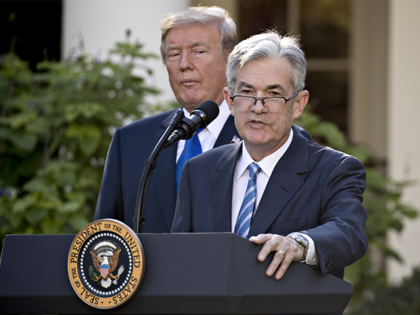
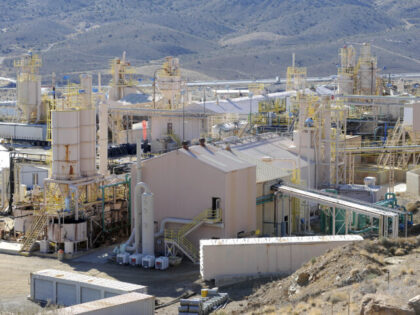
The Trump administration is deepening its effort to sever U.S. reliance on Chinese rare earth supplies, committing $400 million in equity financing to MP Materials Corp. as part of a broader plan to expand domestic production of rare earth magnets used in advanced weapons systems and industrial technologies.
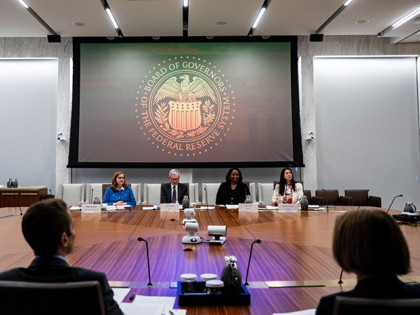
If you were wondering how Federal Reserve officials view Donald Trump’s tariff plans, the latest Federal Open Market Committee (FOMC) minutes make one thing perfectly clear: they all think tariffs are inflationary.
When Superman first appeared in Action Comics #1 in 1938, America wasn’t grappling with border policy or multiculturalism. It was staring down something more existential: a collapse in fertility.

President Donald Trump said Tuesday he plans to impose a fifty percent tariff on copper imports as part of a new wave of industry-specific trade measures, while suggesting pharmaceutical manufacturers may receive at least a year’s reprieve before facing steep
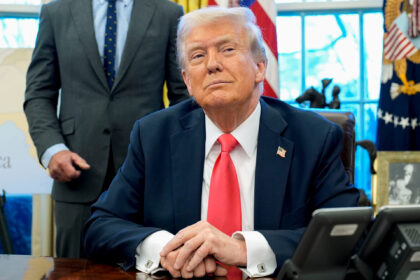
President Donald Trump on Tuesday reaffirmed that a new round of tariffs will take effect on August 1, brushing aside earlier signals of flexibility and warning trading partners that no further delays will be granted. “TARIFFS WILL START BEING PAID
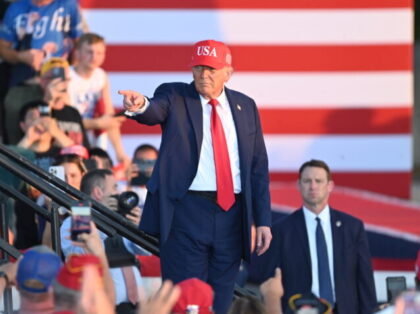
The intellectual scaffolding for Trump’s tariff policy is now in place, built not by political appointees but by credentialed economists with publication records.