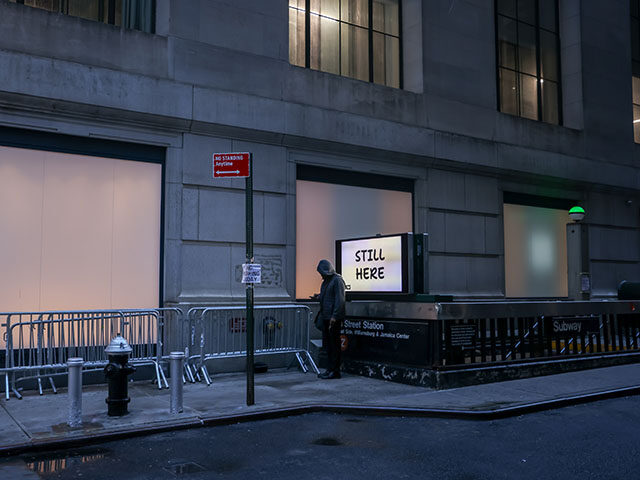

New York City storefronts have reached unprecedented vacancy levels, with over 16,000 shuttered businesses across five boroughs.
New data from NYC Comptroller Mark Levine’s office shows that more businesses have closed than have opened over the past three years, with a vacancy rate climbing to “11.32% in the third quarter of 2026 from 11.26% in the previous three-month period — with Brooklyn and Queens faring worse than they did in late 2023,” per the New York Post.
Some 2,551 storefront businesses closed between July and September, while just 2,275 opened, resulting in a net loss of 276, according to the comptroller’s newly launched Storefront Vacancy Dashboard.
Small businesses accounted for nearly three-quarters of the net losses, with 2,201 shutting down and 1,996 opening.
The number of storefront businesses opening fell 16.1% from the previous quarter, while closings declined 17.4%.
“Thriving commercial corridors are essential to the health of New York City’s economy and neighborhoods,” said City Comptroller Mark Levine. “In many ways, New York City has recovered since the pandemic, but the comeback has been uneven, with storefronts sitting empty in many communities that deserve bustling activity. Keeping an up-to-date accounting of the severity of this problem is essential for us in government to develop solutions.”
Andrew Rigie, executive director of the NYC Hospitality Alliance, called the report a “wake-up call.”
“The city must focus not only on helping new businesses open, but also on keeping existing ones from shuttering,” he said.
Of the five boroughs, Manhattan has the highest vacancy rate at 13.12 percent – which is a slight downturn from 15.8 percent in 2023. Brooklyn follows Manhattan at 12.68 percent while Queens has steadily risen since 2023 at 9.8 percent.
“Manhattan’s recovery is real, but it’s uneven, and the corridors that are still struggling tend to share a few problems,” said Jessica Walker, president and CEO of the Manhattan Chamber of Commerce.
“Blocks that lived on five-day office workers or a single anchor tenant lost their base, while neighborhoods with residents, tourists and nightlife have bounced back faster,” she added.
COMMENTS
Please let us know if you're having issues with commenting.