Inflation Expectations Hit Record High in Fed Survey
The American public does not believe inflation will prove transitory.
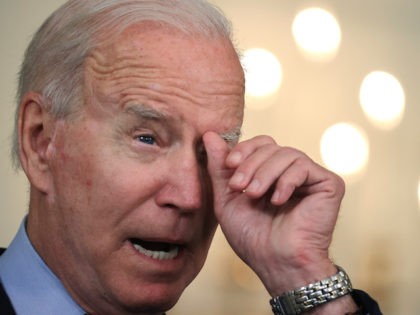
The American public does not believe inflation will prove transitory.
‘You are getting poorer,” Steve Cortes said of inflation and supply chain breakdowns yielding a “Biden Blue Christmas” for Americans.

Inflation is becoming a drag on growth as consumers are balking at high prices on big-ticket items such as homes, vehicles, and durable goods.

Instead of moderating, inflation got worse this summer.
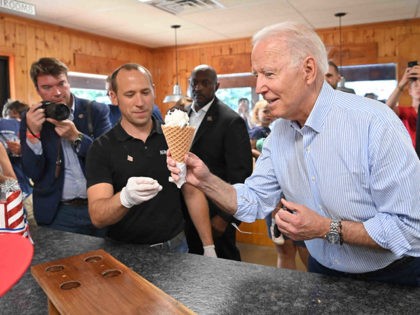
Inflation is running at the highest level since 1982.

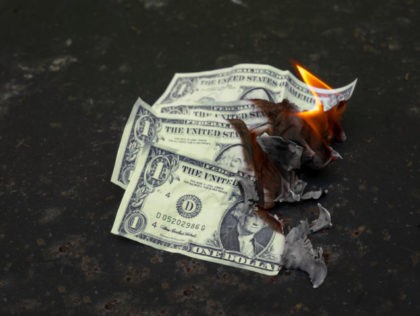
The store famous for selling everything for just one buck is moving to higher prices.
Buyers are coming back into the market, especially in communities in GOP-led states Texas, Florida, and Tennessee.

U.S. stocks fell Tuesday, as rising bond yields and energy prices weighed on the market. The Dow Jones Industrial Average sank 650 points at the low of the day before recovering to a 569 point, or 1.6 percent, decline. The
Orders for durable goods rose by less than prices of durable goods in August, suggesting there may have been an output contraction as supply-chain disruptions still stymie growth.
Pricier homes now make up a much larger percentage of the market than a year ago.

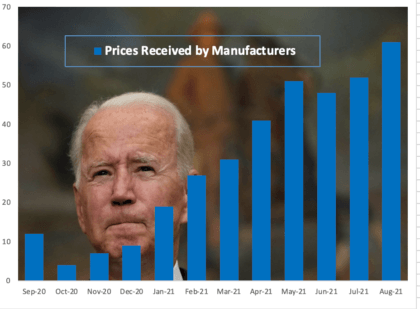
For the second time ever—the other time was in July—every single manufacturer in the Kansas City Fed survey reported higher prices for materials.
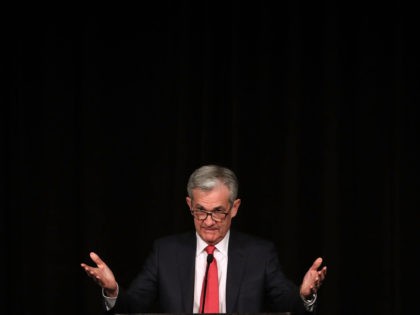
Fed officials now expect inflation to run at 4.2 percent this year, up from 3.4 percent at the June meeting.
President Joe Biden has made expanding homeownership a prominent goal of his administration. So far, his policies have failed and homes have become less affordable.

Views of current conditions grew dimmer and inflation expectations worsened.
The pace of inventory accumulation by U.S. businesses slowed in July but the extent of the slump was partially hidden by high inflation. Business inventories rose 0.5 percent following a 0.9 percent increase in June, the Commerce Department said on
The latest Philly Fed manufacturing survey showed widespread inflation amid softening demand growth.

Inflation expectations of U.S. businesses keep climbing and businesses see it sticking around, suggesting that it may turn out that the view that inflation would be “transitory” is what turns out to be transitory.

No sign of inflation pressures becoming “transitory” in the New York Fed’s manufacturing survey.
Bacon prices are up 17 percent compared with a year ago. Eggs are up 9.9 percent. Even salad dressing is getting more expensive.
Consumer prices rose again in August, albeit at a slower pace than earlier in the summer. The Consumer Price Index rose 5.3 percent compared with a year ago, the Department of Labor said Tuesday. On a monthly basis, the CPI
Expected earnings growth slowed even while inflation picked up, raising the specter of stagflation.
The company has been raising prices for its goods but “we are seeing inflation outstrip price,” the company’s finance chief said.

Putting food on the kitchen table has become much more expensive, squeezing household budgets at a time when many families are already stressed by the Delta variant surge hitting as kids go back to school. Food prices rose a full
Prices charged by U.S. businesses jumped higher in August, data from the Department of Labor said Friday.

Shortages of workers and key inputs are slowing everything from retail to manufacturing while prices keep rising.
Compared with a year ago, real average hourly wages are down 1.2 percent.

A “record share” of U.S. small businesses had unfilled positions in August, Bloomberg News reported on Thursday.
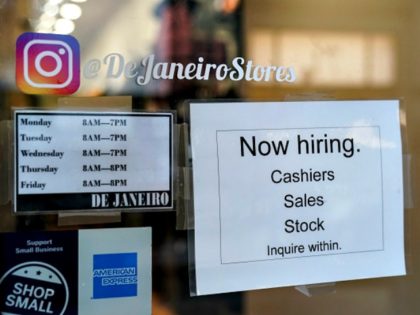
Real hourly compensation fell at an annualized rate of 4.6 percent in the first quarter.
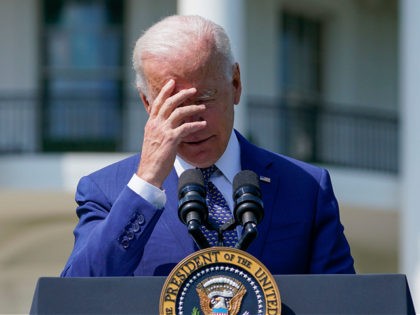
Views of current conditions and the near-term future grew much dimmer in August.

Consumer sentiment collapsed due to the surging Delta variant, higher inflation, slower wage growth, and smaller declines in unemployment.
Bidenflation spreading in the lastest manufacturing survey from the Kansas City Fed.
Spending on electronics and appliances fell in July while business investment increased.

The U.S. is building new homes at a faster pace than expected but it is not building many inexpensive homes that could be purchased by first-time buyers or Americans with modest incomes.
Manufacturing activity slowed in August but the gauge of prices for goods rose to a new record high.
Sales of previously owned homes worth more than one million dollars were up nearly 60 percent annually in July, while sales of homes worth a quarter of that or less were down by around 30 percent, data from the National Association of Realtors showed Monday.
The road to recovery looks like it will be bumpier than expected.
The latest survey suggests that a slowdown in growth has not slowed down price increases.
Housing starts dropped by far more than expected as shortages and rising costs hit builders.

Wisconsin voters have soured on the economy and thing things are going to get worse over the next year. Inflation is a big worry.

“Higher construction costs and supply shortages along with rising home prices pushed builder confidence to its lowest reading since July 2020,” the NAHB said.