European Union Slaps Apple and Meta With Hundreds of Millions in Fines
European Union watchdogs fined Apple and Meta hundreds of millions of euros Wednesday as they stepped up enforcement of the 27-nation bloc’s digital competition rules.
European Union watchdogs fined Apple and Meta hundreds of millions of euros Wednesday as they stepped up enforcement of the 27-nation bloc’s digital competition rules.
The remedies trial to address Google’s search monopoly verdict began Monday in Washington, D.C., with the company arguing that a breakup proposed by the DOJ would put the United States at a disadvantage in the global race for technological supremacy, particularly against China.
Google will square off against the DOJ and dozens of state attorneys general in a high-stakes remedy phase to the search antitrust case it lost last year. The remedy phase kicking off today could result in the tech giant being forced to sell off key assets.
Google has been found guilty of antitrust violations in the publisher ad server and ad exchange markets, marking the second time the tech giant has been ruled a monopolist within a year. Google is expected to appeal the verdict, and the split nature of the decision means a forced breakup action is unlikely.
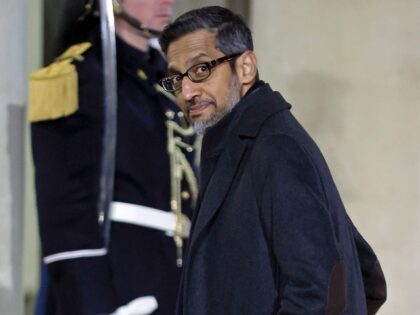
A federal judge has ruled that Google illegally monopolized some online advertising technology markets, dealing a significant blow to the tech giant’s main revenue source.
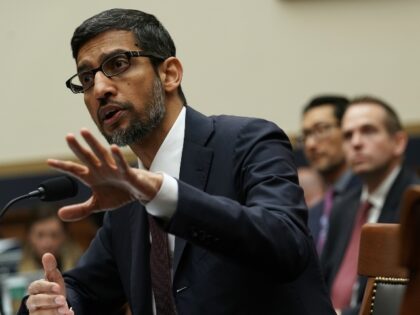
Former Meta COO Sheryl Sandberg took the stand to face intense questioning by the FTC on Wednesday as the agency seeks to break up Mark Zuckerberg’s social media giant.

Google is facing a class action lawsuit in the UK for £5 billion ($6.6 billion) in potential damages over allegations that the tech giant abused its stranglehold on the search market to drive up advertising prices.
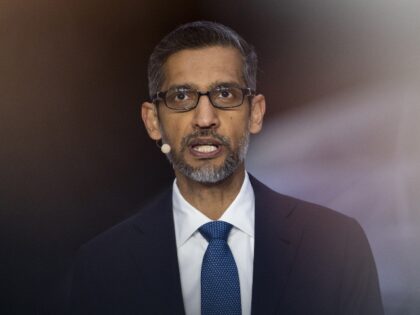
During the ongoing antitrust trial against Meta, an email revealed that CEO Mark Zuckerberg contemplated separating Instagram from the company in 2018 due to the “non-trivial” risk the government would move to break up his social media empire.
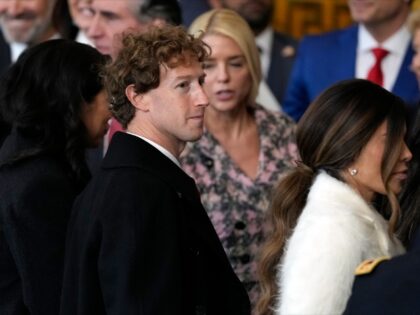
The FTC’s high-stakes antitrust lawsuit against Meta kicked off today with opening arguments in Washington, DC. Mark Zuckerberg is expected to take the stand to defend his company against the federal government’s claims that the acquisition of Instagram and WhatsApp should never have been approved.
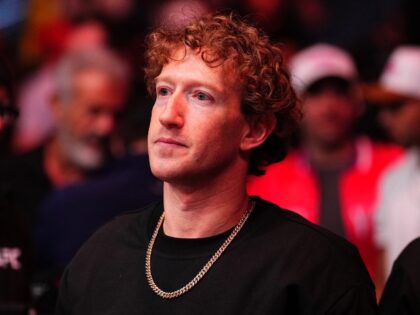
Apple’s attempt to intervene in Google’s antitrust trial has been denied by the DC Circuit Court of Appeals, potentially jeopardizing the company’s $20 billion search placement deal with Google. The decision was driven in part by Apple dragging its feet in replying to the court, which the judge said “seems difficult to justify.”
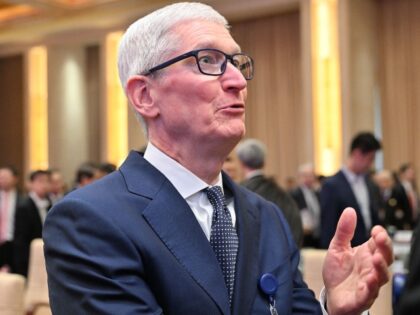
The EU is poised to hit Mark Zuckerberg’s Meta, the parent company of Facebook and Instagram, with a massive fine of $1 billion or more for allegedly violating its strict antitrust regulations, according to sources close to the situation.
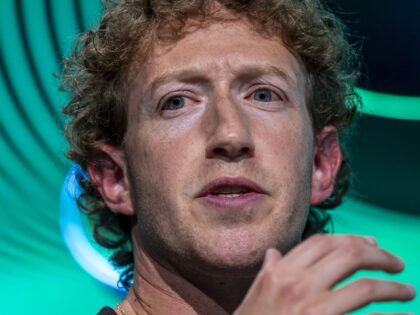
In a major development in the ongoing antitrust case against Google, the DOJ has proposed remedies that could force the tech giant to sell its popular Chrome browser and face new restrictions on its Android operating system.
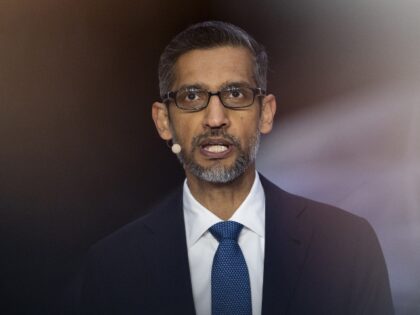
Online education company Chegg has filed a lawsuit against Google in federal district court, claiming that the search giant’s AI-generated summaries of search results have devastated Chegg’s web traffic and revenue. Worse yet, Chegg claims Google used its vast database of educational materials to train the AI that is now killing its traffic and revenue performance.
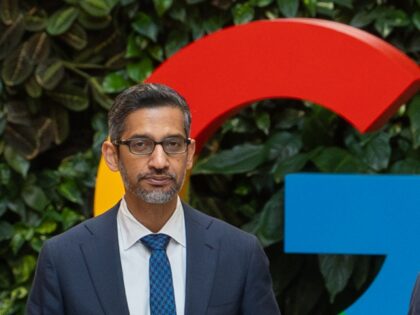
Conservative leaders on Monday wrote to Senate Commerce Committee Chairman Ted Cruz (R-TX), urging Congress to confirm FTC Commissioner nominee Mark Meador, who will be a strong advocate for “strong, yet targeted” antitrust and consumer protection enforcement.

President Trump’s nomination of tech critic Gail Slater to lead the Justice Department’s antitrust division comes amid controversy over a series of last-minute enforcement actions by recently departed acting antitrust chief, leftist activist Doha Mekki.
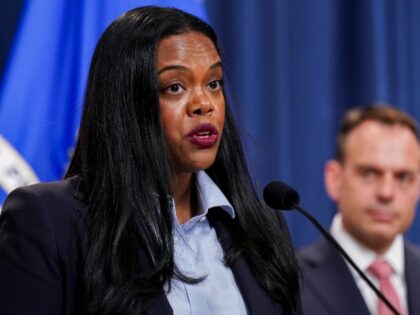
China’s retaliation for President Donald Trump’s tariffs has thus far included a levy on imported American energy products, an extra fee on imported American agricultural equipment, and a menacing “antitrust” investigation of Google.
A U.S. District Court judge has denied Apple’s request to intervene in the ongoing Google Search monopoly trial, which could end the massive payments Google makes to Apple every year to ensure its search dominance remains unchallenged.
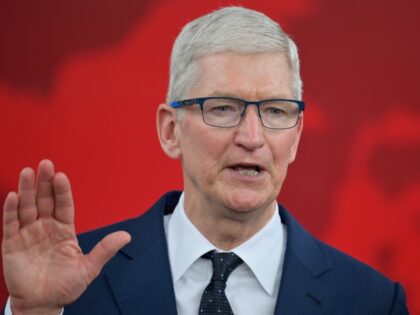
Apple has requested to participate in the next phase of the antitrust trial against Google, arguing that it cannot rely on the search giant to defend the revenue-sharing agreements that bring the iPhone maker up to $20 billion dollars annually via an exclusivity deal.
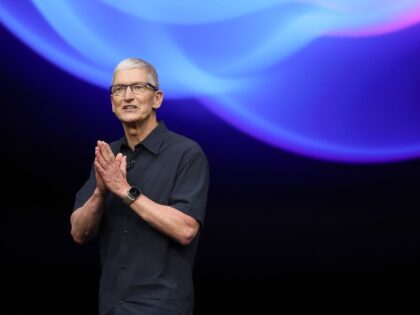
Google has put forward its own set of remedies to address the Department of Justice’s antitrust concerns, offering to unbundle Android apps instead of selling off Chrome or other major divisions.
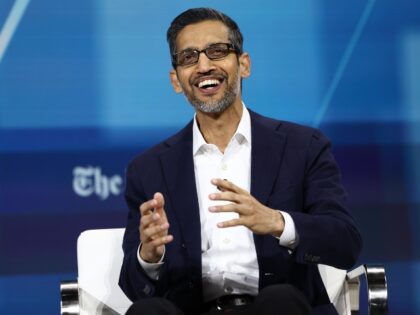
Brian Thompson, the slain CEO of UnitedHealthcare, was gunned down on Wednesday while top executives at his company have reportedly been under investigation by the Department of Justice (DOJ) for alleged insider trading and a monopoly.

Federal Trade Commission (FTC) Commissioner Andrew Ferguson on Monday urged the antitrust commission to investigate “unlawful collusion” between big tech platforms and stop advertiser boycotts, which he believes threaten competition.

The DOJ and Google presented their closing arguments in the antitrust trial focusing on the internet giant’s stranglehold over the online ads business, with both sides reiterating their main points from the three-week trial held in Alexandria, Virginia.
The FTC is launching an investigation into Microsoft’s alleged anticompetitive practices, some of which may have been directed at the U.S. government, according to a recent report by ProPublica.
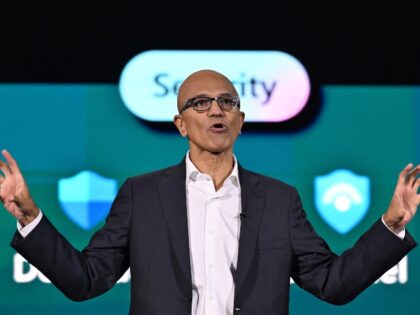
President-elect Donald Trump’s vow to curtail big tech’s power aligns with about three-quarters of Americans who are concerned about its vast influence, according to a JL Partners poll obtained exclusively by Breitbart News.
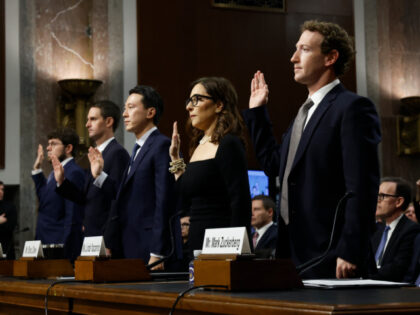
Apple and Google risk a formal UK investigation over their dominance of web browsers on cell phones, according to a provisional decision targeting the tech giants’ stranglehold on mobile operating systems.
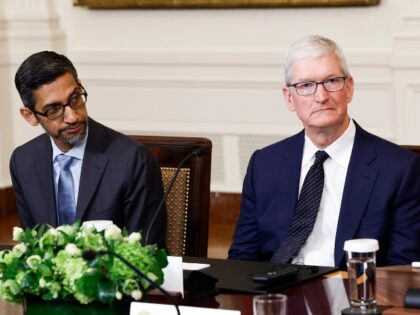
The DOJ has filed court documents proposing the tech giant sell off its Chrome browser and be prohibited from making payments to remain the default search engine on third-party platforms as remedies for its monopolistic practices.
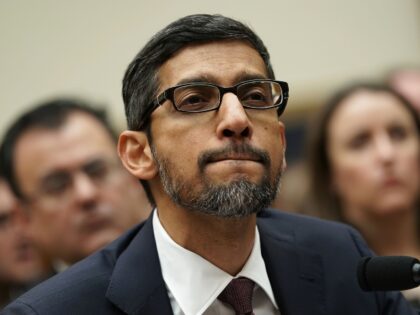
Google has engaged in a systematic effort over the past 15 years to create a culture of concealment and minimize internal communications to avoid potential antitrust lawsuits, according to documents and testimony from recent trials.
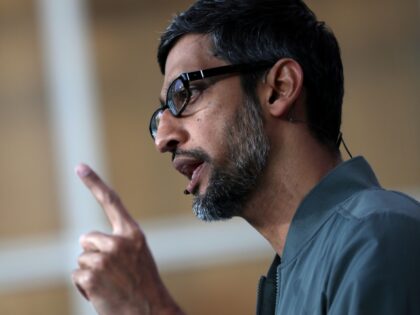
Google has reacted angrily to reports that the DOJ will propose forcing the tech giant to sell its Chrome web browser business as part of ongoing antitrust remedies.
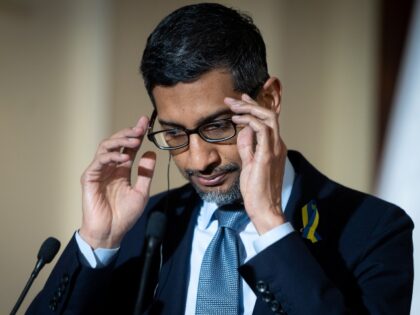
The DOJ has decided it will ask a federal judge to force Google to sell off its Chrome web browser as a result of the government’s successful antitrust case against the internet giant’s monopolistic actions in its search business according to a new report by Bloomberg.
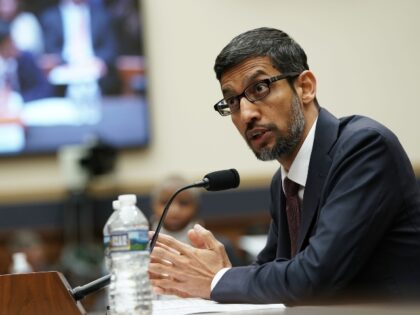
Google has been accused by multiple federal judges of engaging in tactics to conceal and destroy internal communications that could be used against the company in ongoing antitrust lawsuits. One judge called Google’s suppression of evidence “the most serious and disturbing” he had seen in his career as a judge.
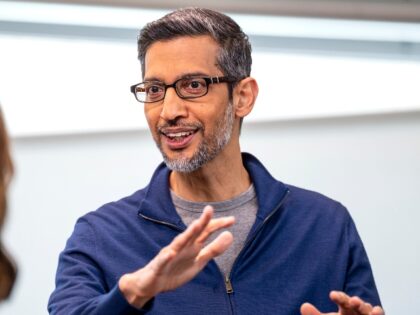
Shivaun and Adam Raff’s price comparison website, Foundem, was crushed by Google flexing its monopoly muscles, prompting a 15-year legal battle that resulted in a record $2.58 billion fine for the tech giant.
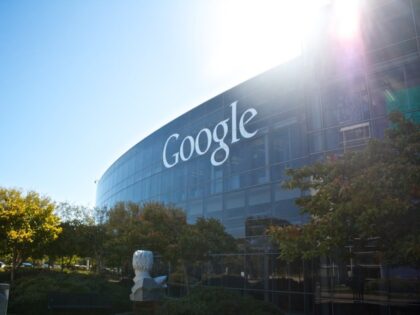
Former President Donald Trump recently accused Google of being “rigged” against him, claiming that the search engine fails to display positive stories about him. However, he also indicated that he might not advocate for the break up the company if he wins the upcoming election, citing concerns over China’s technological ambitions.
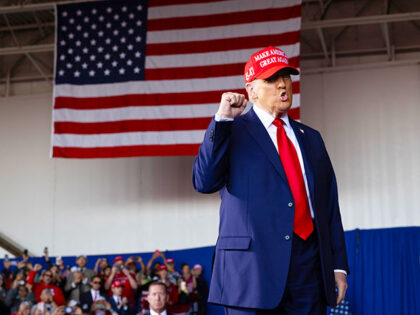
As the government’s second antitrust trial heads towards closing arguments next month, the DOJ is contemplating asking a federal judge to compel Google to sell parts of its business to address the verdict of its first antitrust trial — that the internet giant has monopoly power with its search engine.
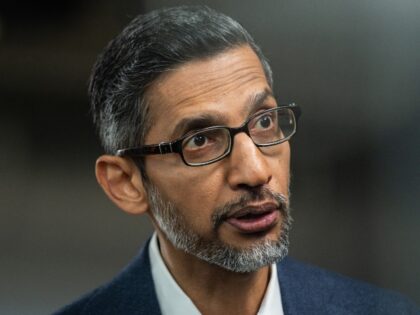
The DOJ and Google have wrapped up their arguments in the high-stakes antitrust trial against the internet giant, with closing arguments scheduled for November.
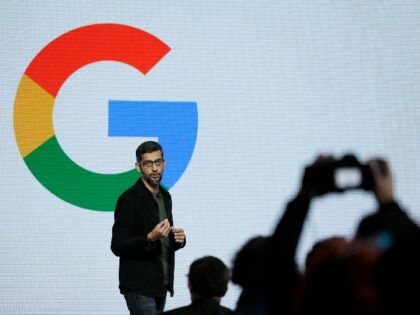
An expert witness called by Google in its ongoing antitrust trial has asserted that the tech giant does not hold monopoly power over the advertising market, contradicting claims made by the DOJ.
Google has filed an antitrust complaint with the European Commission, accusing Microsoft of using unfair licensing contracts to stifle competition in the cloud computing industry. Google’s charges become especially interesting in light of the fact that the internet giant has itself been the subject of two different antitrust cases this year.
In an ongoing antitrust trial, Google is pushing back against the U.S. Justice Department’s accusations that it operates its ad business as a monopoly. In the face of emails and other internal documents laying out Google’s plan to crush rivals by increasing its stranglehold on the advertising market, one executive testified Monday that “We keep looking for ways to make products better.”
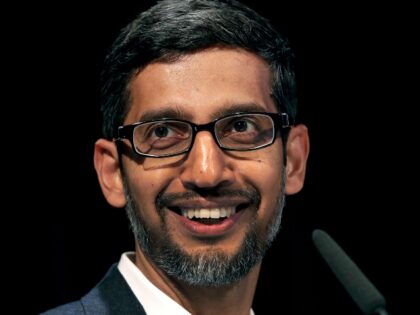
Google employees and executives attempted to hide potentially damaging communications from investigators by using auto-deleting chats and marking emails “privileged and confidential” as a regular course of business — sneaky moves that may backfire on the internet giant as the second antitrust trial against the company rages on.
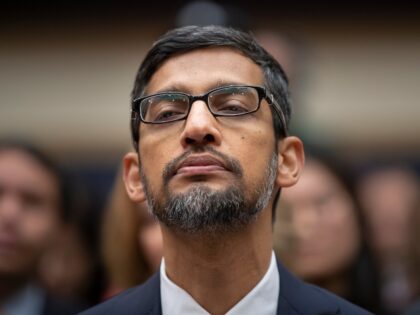
As the DOJ’s antitrust case against Google continues, it is becoming increasingly clear that the judge must decide whether to believe what Google executives wrote in emails and chats or what they have said on the witness stand — like one witness who claimed his emails on crushing competition were “jet-lagged ramblings.”
As Google’s second antitrust trial this year continues, a Boston University economist testified that Google’s stranglehold over the advertising market allows it to charge between 19 and 27 percent higher rates to advertisers than a “competitive market” would allow.