Breitbart Business Digest: The Bond Vigilantes Surrender
This week bond yields fell, sparking mumbled warnings about looming calamity from the same folks who warned us of the calamity of rising bond rates.
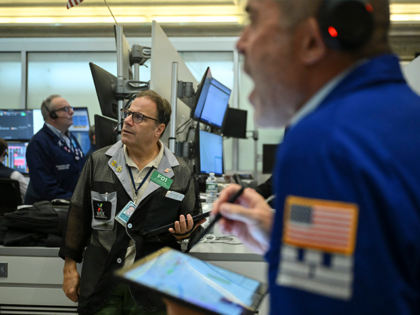
This week bond yields fell, sparking mumbled warnings about looming calamity from the same folks who warned us of the calamity of rising bond rates.
Higher interest rates and tighter financial conditions can kill the AI boom, but those forces are already at work in the bond market.
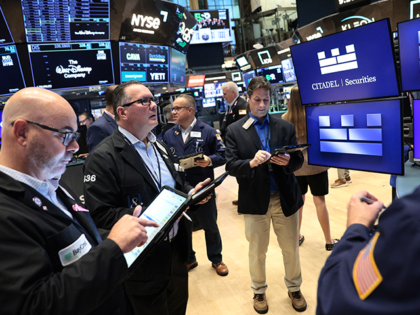
France is on the precipice of the “abyss”, National Rally leader Marine Le Pen warned on Tuesday as she and her deputy Jordan Bardella presented their party’s financial plan to avert the looming debt crisis and revive the country’s economy.

The bond vigilantes had a busy Wednesday, but maybe they aren’t vigilantes at all.
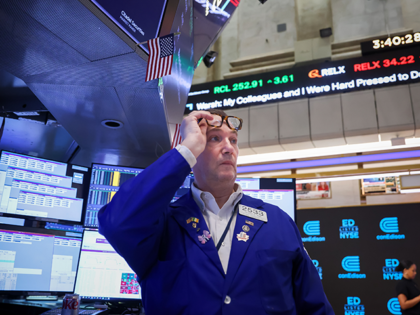
Rising Treasury yields are routinely presented as a warning from an unusually sober and wise constituency. But the bond market may simply be a prediction market based on forecasting Fed policy.
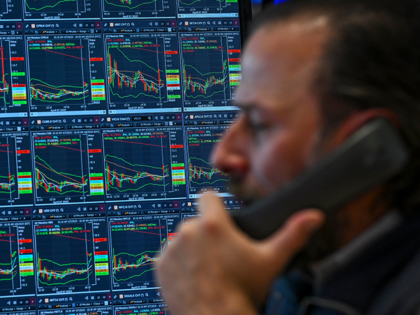
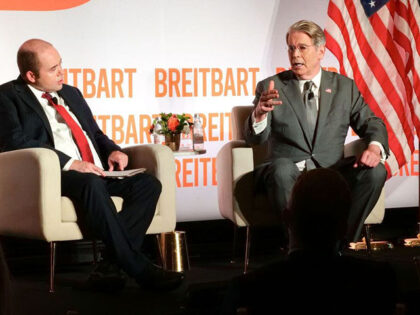
The U.S. bond market under President Donald Trump is the “best performing in the world” and inflation expectations are “flat to down,” Treasury Secretary Scott Bessent said during the Breitbart News “State of the Economy” policy event Tuesday.
If you listen to the high priests of financial analysis—a group that includes hedge fund managers, Wall Street economists, and even pixel-stained pundits in the financial press—there’s a battle going on for the soul of the bond market.
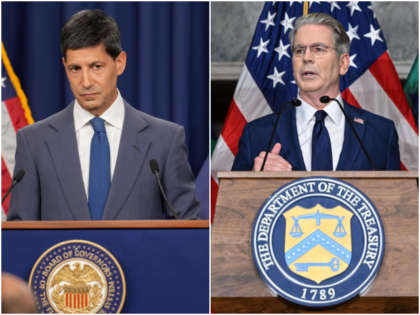
This week, the Treasury Department expanded an age-old sales tactic, offering a trade-in deal in which the market could exchange old bonds for new.
The Baby Boomers built the bond bull, and heir retirement is dismantling it. But Washington still spends as if there’s an endless pool of capital waiting to buy Treasuries.
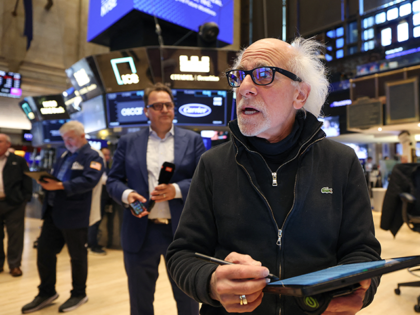
Many Wall Street pundits were quick to hit the panic button after Wednesday’s soft 20-year Treasury auction. Yields jumped. Stocks fell. And commentators wasted no time diagnosing a crisis.
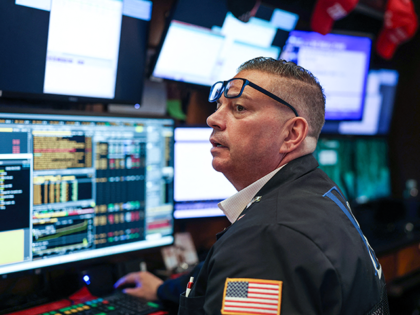
Although President Trump’s announcement that some of the tariffs would be paused for 90 days got all the attention, the real fireworks began several minutes earlier, when the U.S. Treasury held its much-anticipated 10-year bond auction.
The Institute of International Finance (IIF) issued a capital flows report on Wednesday that predicted foreign investors will withdraw $65 billion from China in 2024. The capital outflow has been especially pronounced in China’s bond market.

Buckle up and return to your seats. There’s likely to be some turbulence ahead.
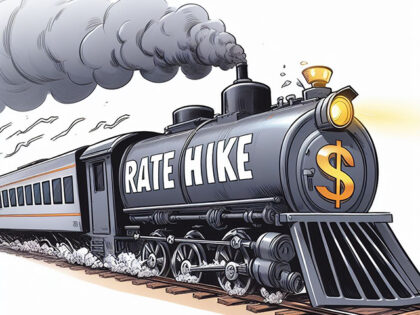
With so many measures suggesting that disinflation has already nearly run its course, that makes rate hikes next year far more likely than the less-than-zero chance bonds markets currently reflect.
The market believed that the Fed might not need to hike again because yields were already doing the work of another hike. And that’s when the bond market started laughing.
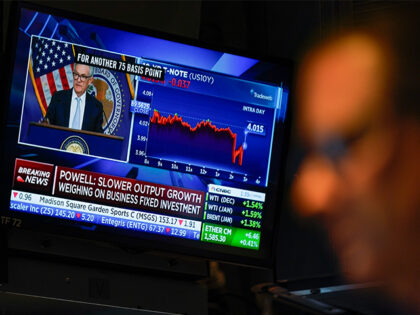
The decline in bond yields may not be the reassuring sign about inflation’s lack of staying power that conventional wisdom perceives. The yield on the benchmark 10-year U.S. Treasury note fell as low as 1.194 percent in trading on Wednesday,
The bond market and President Trump agree: the Fed should cut rates.
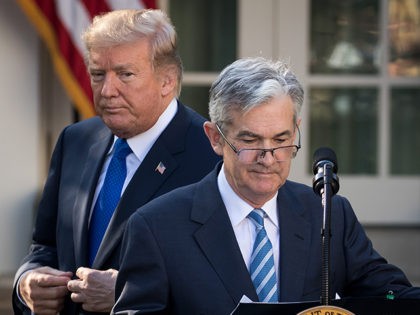
Long term bond yields have sunk below short term yields, often a signal of economic woes in the future.|
The most closely watched part of the yield curve inverted, an indicator that a recession could arrive in the next few years.
“Global debt markets are flashing a bullish signal on America’s economic trajectory, leaving Europe and emerging markets in the dust,” Bloomberg reports.
“Productivity growth returns to nearly its average over the past 25 years and recent changes in fiscal policy boost incentives to work, save, and invest; nonetheless, economic growth is held down by slower growth of the labor force,” the CBO said.
