Bidenflation: Pending Home Sales Fall For Sixth Straight Month
Pending home sales fell by more than twice what was expected.

Pending home sales fell by more than twice what was expected.
A sharp slowdown in home sales can be a tell-tale sign that an economic slump is lurking ahead.
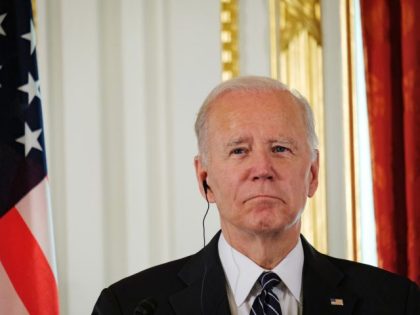
Jeff Bezos, one of the richest men in the world, wants to expand his portfolio to include investments in single-family home rentals.
The rising costs of housing is making it harder for U.S. families to own a home, which is increasing the riches of landlords.
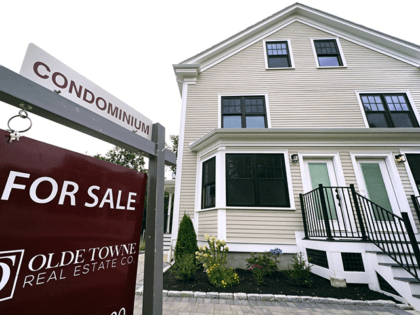
New York City is open for business, which also means the low rent prices during the pandemic are now going up, forcing some tenants out.
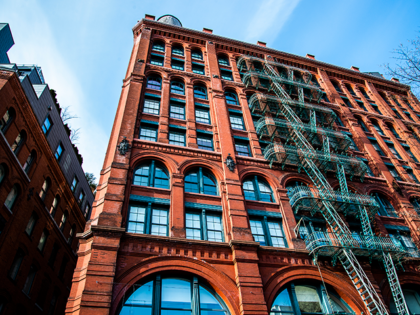
Canada has proposed a two-year prohibition on foreigners buying real estate, in a potential shot across the bow against Communist China.

The rental prices for a single-family homes are at an all-time high, increasing an average of 7.8 percent in 2021.
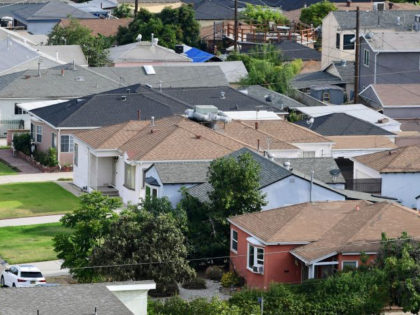
Corporations are buying up mobile home parks across the U.S. and owners of the manufactured housing are being hit with increased rent for lots and new property requirements.

Home prices are surging even while mortgage rates are climbing, creating an affordability crunch.

The usual relationship of completions to construction has been flipped on its head for nine months.
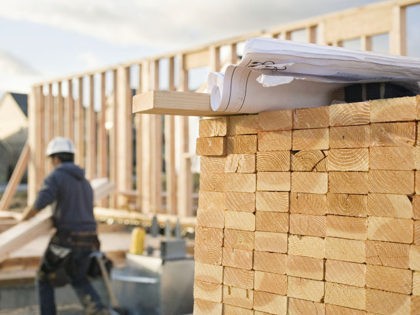
Compared with a year ago, construction spending was up 8.2 percent. Single-family home construction spending was up 15.4 percent.
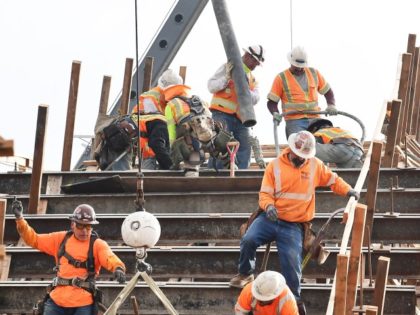
The median price of a new home was $423,300 in January, a seven percent from $395,500 the previous month, reflecting the Bidenflation hitting construction materials.
A rush of sales as rate hikes loom.
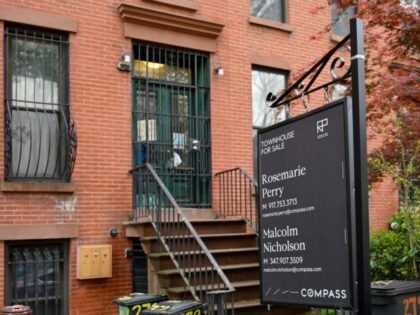
Spending inched up while costs soared, indicating that real output in construction may be falling.

Lumber costs jumped 24 percent in December, likely depressing single-family construction for the month.
Construction spending in the U.S. is up but prices of construction materials are up by even more.
High prices of materials were holding back construction. But now that inflation appears to be persistent, it no longer makes sense to hold off on new projects.
The real estate sector of the U.S. economy broke many records during the coronavirus pandemic, including high prices and people moving.
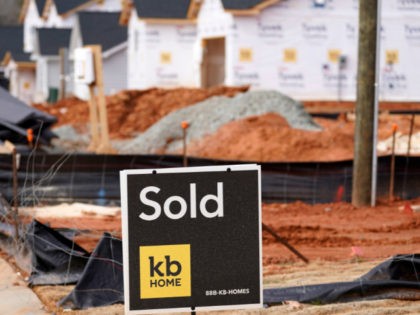
As prices of labor and construction materials soared, spending on building new homes actually declined in October.
Rising rents, rising home prices, and rising mortgage rates sparked a “buy now” rush of home purchases in October.

More homes may change hands in 2021 than anytime in the last 15 years.
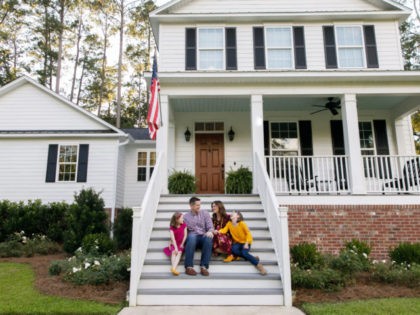
Sacramento is tied with Miami for having the least affordable new homes market in the United States, according to a study.
The Biden administration’s housing policies are failing to increase home affordability.

Biden promised to make housing more affordable. That’s not working out.

Sales of the priciest homes were strong in September and the share of sales to first-time buyers fell, highlighting increasing inequality in the Biden-era housing market.
Home prices have soared but construction still lags behind expectations.
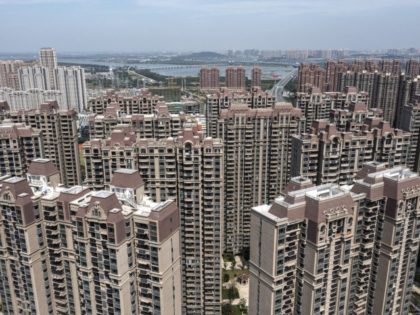
The impending collapse of China’s gigantic Evergrande Group real estate company caused a tumble at the stock market on Tuesday for other Chinese property developers. Even investors in completely unrelated markets are growing nervous about what the implosion of such a huge company could do to banks in China and around the world – and what it could mean for Beijing’s geopolitical agenda.
GOP-led states that have fought pandemic mandates and pushed to reopen businesses, schools, and community activities are seeing big benefits in their housing markets.

Pricier homes now make up a much larger percentage of the market than a year ago.

President Joe Biden has made expanding homeownership a prominent goal of his administration. So far, his policies have failed and homes have become less affordable.

Apartment construction picked up in August but single-family house construction dipped.
Concerns over giant and debt-soaked property developer China Evergrande has stocks selling off across the globe.

Strong demand and a moderation in the price of lumber boosted homebuilder sentiment in September.
The Democrats’ amnesty bill quietly invites three million chain-migration arrivals into the U.S. workforce, likely forcing Americans to pay higher rents.

Spending to build new single-family homes rose sharply in July even though housing starts fell by more than expected, indicating that inflation is weighing on the housing market by pushing costs higher.
Home price gains are at an unsustainable 18.6 percent nationally.
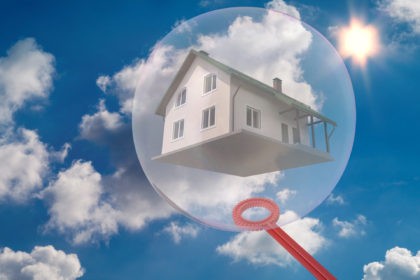
Contracts to purchase previously owned U.S. homes fell for the second straight month in July, the latest sign that economic activity slowed mid-summer as the Delta variant ramped up the rate of coronavirus infections and inflation pumped up prices. The

A ‘Great Reset’ of the British property market is currently underway, in which big banks are buying up houses across the country.
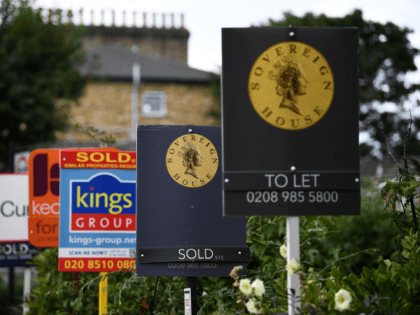
The U.S. is building new homes at a faster pace than expected but it is not building many inexpensive homes that could be purchased by first-time buyers or Americans with modest incomes.
Sales of previously owned homes worth more than one million dollars were up nearly 60 percent annually in July, while sales of homes worth a quarter of that or less were down by around 30 percent, data from the National Association of Realtors showed Monday.