Mexico to Prosecute Border State Governor for Working with U.S. Against Cartels
Mexico’s government is trying to prosecute a border state governor. Her crime — working with U.S. agencies to fight drug cartels.
Mexico’s government is trying to prosecute a border state governor. Her crime — working with U.S. agencies to fight drug cartels.
Mexico’s Attorney General’s Office has summoned the current Governor of Sinaloa, Ruben Rocha Moya, and nine of his closest allies, who are listed as wanted fugitives by the U.S. Department of Justice on drug trafficking conspiracy charges. The politician is

Mexico’s financial enforcement groups moved to freeze the assets of Sinaloa’s governor and nine of his closest allies who are wanted on drug charges in the U.S. President Claudia Sheinbaum, however, was quick to defend his innocence, claiming that the move was not the result of an investigation in Mexico.
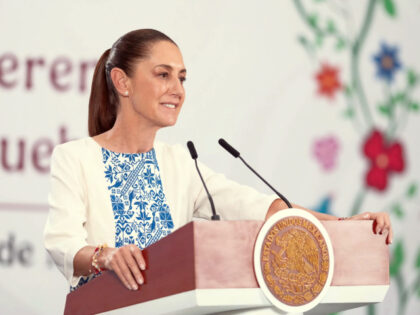
As Mexican President Claudia Sheinbaum and her government continue to claim that the U.S. Government does not have any evidence of wrongdoing against Sinaloa Governor Ruben Rocha Moya and nine of his closest allies, who are accused of working for the Sinaloa Cartel. Three of those officials have now crossed the border into the U.S. and allegedly turned themselves in.
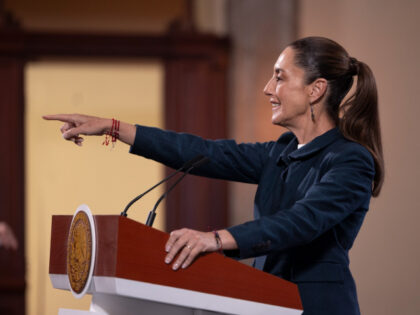
A top Mexican government official who made headlines last month when he, along with the sitting governor of Sinaloa, was named in a criminal indictment accusing them of working for the Sinaloa Cartel, surrendered this week to U.S. authorities. The official is the former head of the state police in Sinaloa and a retired Mexican Army general.
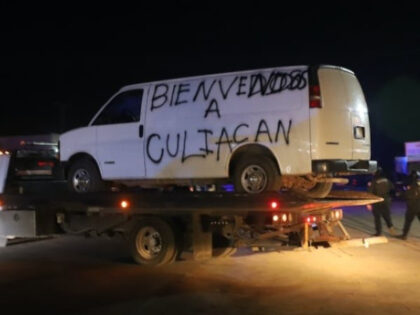
The governments of the United States and Mexico are refuting a series of reports from CNN and the New York Times claiming that CIA agents were carrying out covert assassination operations targeting cartel figures in Mexico.
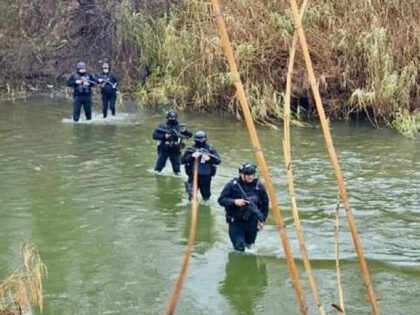
“Our research and reporting is causing massive reverberations not just in Beijing but in Mexico City,” says author and President of the Government Accountability Institute Peter Schweizer.
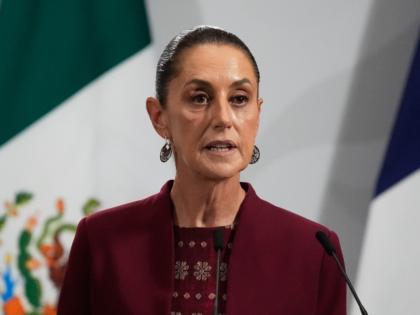
A group of gunmen released a video where they pull up to a house belonging to Sinaloa Governor Ruben Rocha Moya and spray gunfire into the abandoned home before leaving. The attack comes soon after Rocha Moya became the topic of much controversy after the U.S. Department of Justice accused him of being a cartel lackey.
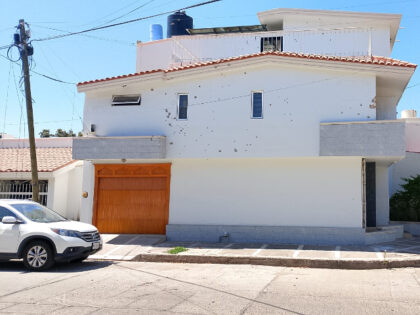
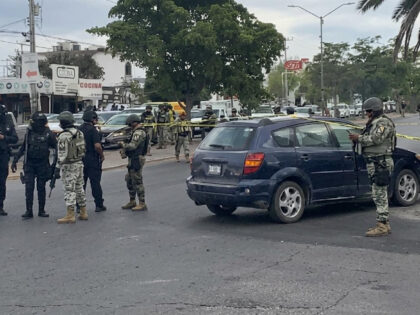
A group of cartel gunmen carried out a brazen attack on a funeral procession in front of a squad of Mexican Army soldiers who did nothing to stop it. The attack comes at a time when the governor of that state, Sinaloa, had to take leave after him and nine of his closest allies were named as drug traffickers in a criminal indictment by the U.S. Department of Justice.
Mexican President Claudia Sheinbaum turned to a nationalist rhetoric, telling the Trump administration to stay out of her country.
Hundreds of people are planning a major celebration in the Mexican city of Culiacan, Sinaloa, over the resignation of the state’s cartel-connected governor, who is now a fugitive wanted by the U.S. Department of Justice.
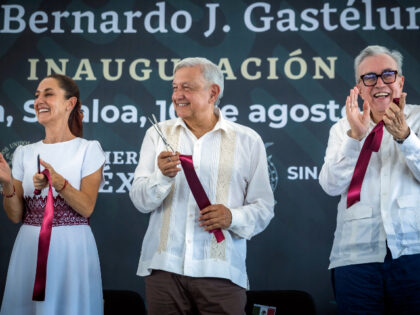
The Mexican governor of Sinaloa, who made headlines this week after the U.S. Department of Justice announced a criminal indictment against him, has taken a temporary leave from his post pending the outcome of the scandal. Other public officials from Sinaloa, also named in the indictment, asked for leave.
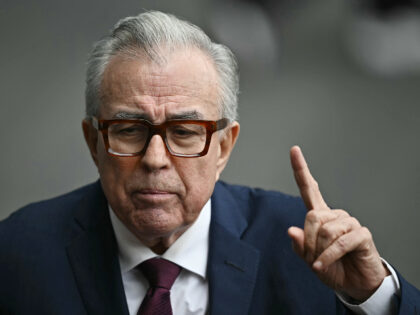
Mexican President Claudia Sheinbaum is openly challenging the U.S. Justice Department and is apparently using her political power to prevent the arrest and extradition of a sitting state governor, a senator, and a mayor, all from her political party, MORENA. Those three men and seven other top law enforcement officials from the state of Sinaloa are wanted in a U.S. federal court on drug trafficking charges.

Mexican President Claudia Sheinbaum is being forced to choose between protecting the cartel- connected political party that got her into power or actually fighting drug cartels, as the Trump administration has been pressuring her to do. For now, Sheinbaum appears to be moving to protect her party. It remains to be seen how the U.S. government will react.
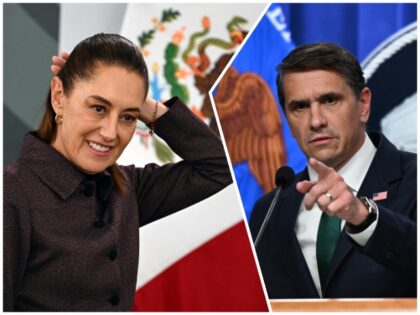
The U.S. Department of Justice announced the unsealing of a criminal indictment against a sitting Mexican governor and his closest allies. The case is historic in nature since it is the first time that a sitting Mexican governor has been named in a cartel-connected criminal case.
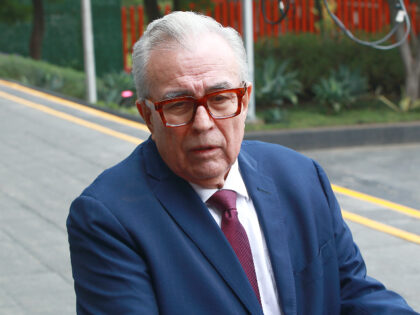
After being convicted of possessing with the intent to distribute more than two million lethal doses of fentanyl, 51-year-old Jimenez James Love of Harlingen, Texas, was sentenced to serve the rest of his life in federal prison. Authorities believe Love transported the narcotics and conducted other illicit activities on behalf of the Sinaloa Cartel.
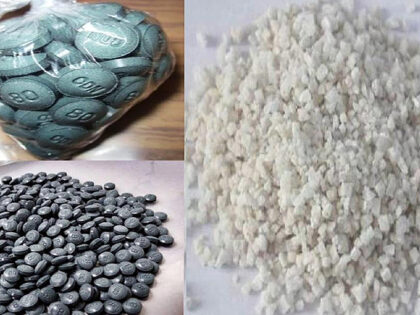
Mexican military forces found a narco-tunnel that was being built connecting Nogales, Sonora, with its sister city in Arizona. The tunnel is connected to the Los Chapitos faction of the Sinaloa Cartel.
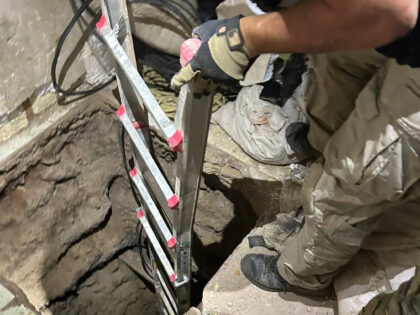
A member of the Sinaloa Cartel died over the weekend in an explosion shortly after flying into Mexico State. The incident has sparked renewed controversies about Mexico’s refusal to label cartels as terrorist organizations despite their terror-style tactics.
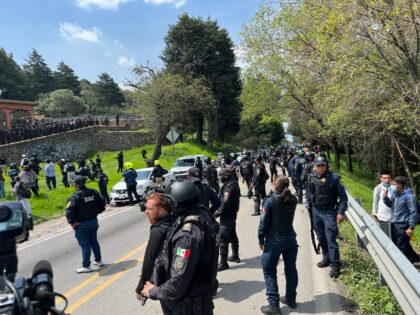
An Arizona gun dealer is facing terrorism charges in connection with a conspiracy to provide weapons to both Cartel Jalisco New Generation and the Sinaloa Cartel. Both Mexican cartels are designated as foreign terrorist organizations by the U.S. Department of State.
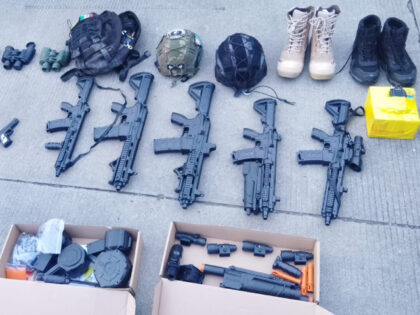
Mexican military forces clashed with several gunmen from the Sinaloa Cartel, killing 11 of them. The shootout came as a result of a series of raids in a luxurious suburb of Culiacan, where forces arrested the daughter of jailed cartel kingpin Ismael “El Mayo” Zambada. Hours later, Mexican authorities released the woman despite U.S. authorities having identified her in the past as a money laundering operator for the cartel.
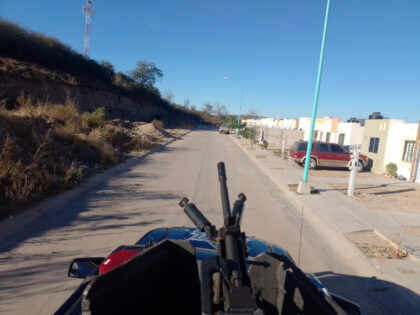
The U.S. Department of Justice (DOJ) formally charged two top lieutenants of the Sinaloa Cartel with terrorism and is offering a $10 million reward for information leading to their capture.
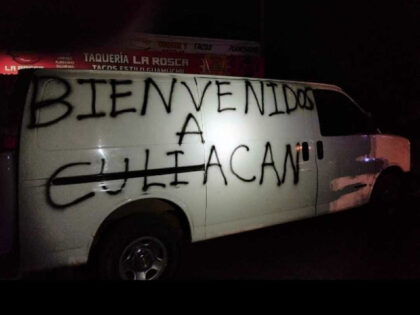
Last month, a group of cartel gunmen stormed a mining camp, kidnapped ten employees of a Canadian mining company, and are believed to have murdered them. So far, authorities have been able to identify five of the bodies found in a clandestine mass grave.
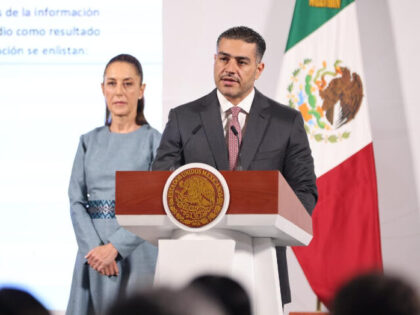
Mexico’s government deployed approximately 1,000 soldiers as part of an operation aimed at finding and rescuing ten employees from a Canadian mining company. The workers were taken at gunpoint by members of the Sinaloa Cartel.
Ryan Wedding, a fugitive Canadian drug boss who is a former Olympian and had made the FBI’s Top Ten Most Wanted list, surrendered to authorities in Mexico. Almost immediately following the arrest, FBI agents flew Wedding to the United States to stand trial on numerous federal charges.
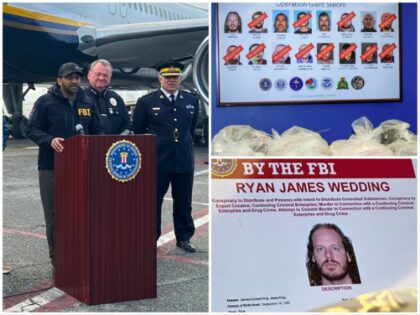
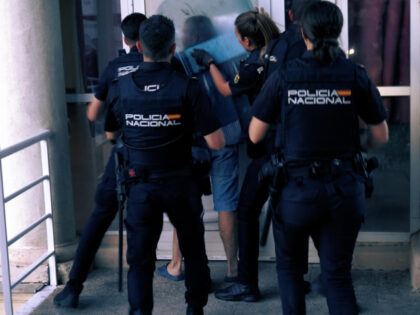
Videos show that the Sinaloa Cartel used marble slabs and statues to smuggle meth into Spain from Mexico. Authorities in Spain, working with the U.S. Drug Enforcement Administration, were able to raid several properties and businesses in a takedown of the cartel and its allies in that country, which led to the arrest of nine individuals.
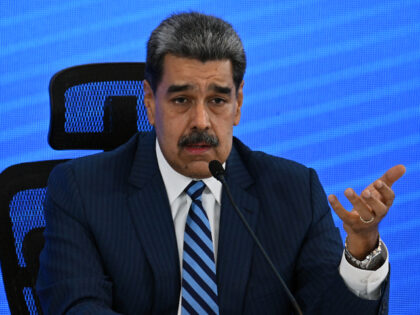
The newly released criminal indictment filed against now-arrested Venezuelan dictator Nicolas Maduro, his wife, and others reveals key details about how they used diplomatic planes to fly drug money from Mexico into Venezuela. The indictment also shows a long-standing trafficking relationship with the Sinaloa Cartel and Los Zetas (now called Cartel Del Noreste).
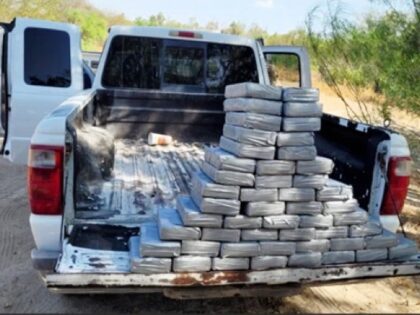
Attorney General Pam Bondi on Saturday morning posted the unsealed grand jury indictment against Venezuelan dictator Nicolás Maduro.
Mexico’s federal security forces raided multiple properties tied to Ryan Wedding — a former Canadian Olympic snowboarder accused of becoming a billion‑dollar cartel trafficker — but the FBI Most Wanted fugitive remains at large despite a sweeping operation that uncovered drugs, weapons, and luxury assets.
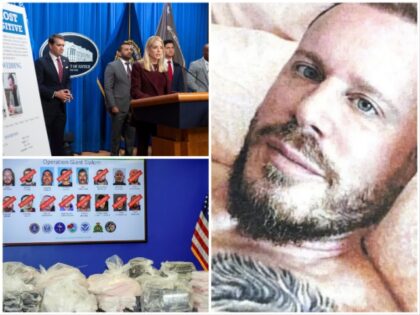
The Sinaloa Cartel’s Northwest pipeline took another major hit this month after King County Sheriff’s deputies seized more than 200 pounds of meth, heroin, and nearly $90,000 in drug cash during a targeted operation north of Seattle.
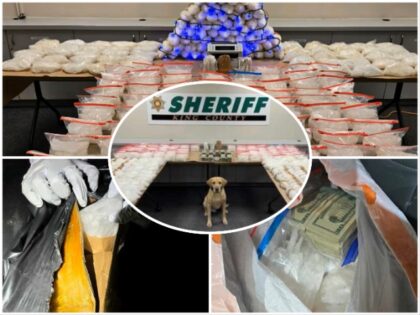
Federal prosecutors say the Sinaloa Cartel hired two 15‑year‑old members of a Mexican Mafia‑affiliated gang to carry out a pair of assassination attempts in Chula Vista, California, attacks that left one man dead and several wounded before the teens fled back to Los Angeles.
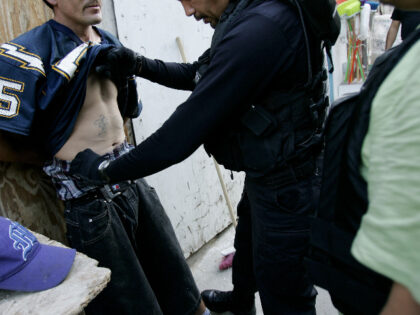
The leader of one of Mexico’s largest labor unions is denying allegations and news reports that linked a newly captured boss with the Sinaloa Cartel, who is the alleged leader behind the widespread extortions of ranchers and truckers, and was a regional secretary for the union. A series of leaks has revealed that the two were allegedly close allies.
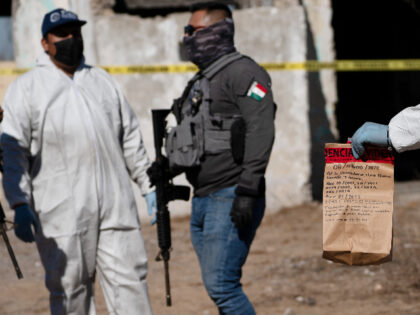
Guatemala deployed special forces, known as Kaibiles, to guard its northern border with Mexico just days after teams of cartel gunmen from Mexico entered the country and carried out violent attacks in rural border communities. The teams of cartel gunmen also clashed with Guatemalan military forces.
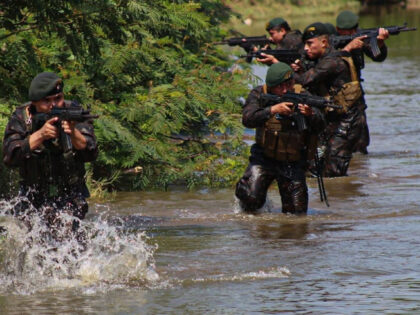
The son of jailed Sinaloa Cartel kingpin Joaquin “El Chapo” Guzman Loera pleaded guilty to various drug trafficking charges as part of a plea deal with prosecutors. As part of the plea deal, the young drug lord Joaquin “El Guero” Guzman Lopez confessed to having planned the kidnapping of his father’s former ally, Sinaloa Cartel’s co-founder Ismael “El Mayo” Zambada, in order to turn him over to U.S. authorities.
The U.S. Treasury Department has moved against a group of Albanian mobsters based in Mexico that worked with the Sinaloa Cartel to launder money through casinos and entertainment businesses. The move was coordinated with Mexican authorities, who began shutting down 13 casinos this week that had been transferring money to Romania, Switzerland, Malta, and the United Arab Emirates.
Authorities in Mexico confirmed a large-scale shootout in the hyperviolent western state of Sinaloa, where 13 gunmen died while trying to ambush a squad of Mexican soldiers. In the aftermath of the clash, authorities also reported rescuing nine kidnapping victims.
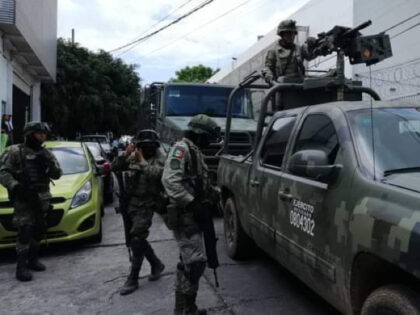
WASHINGTON — U.S. Director of National Intelligence Tulsi Gabbard announced on Tuesday evening that the National Counterterrorism Center (NCTC) provided actionable intelligence to U.S. and Mexican law enforcement officials to successfully capture a boss of the Sinaloa Cartel Plaza known as “El Pato.”
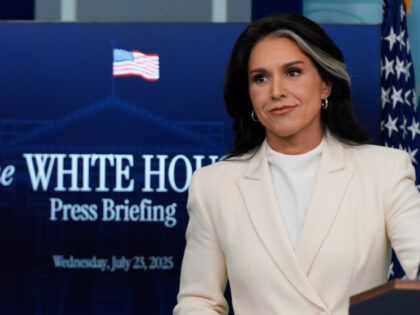
The U.S. Consulate in Tijuana sounded the alarm about a terrorist cartel attack involving explosive devices that caused various blasts near the beach hotspot of Playas de Tijuana. Mexican authorities have remained silent and have not released any information on the attack, which targeted a state police building.
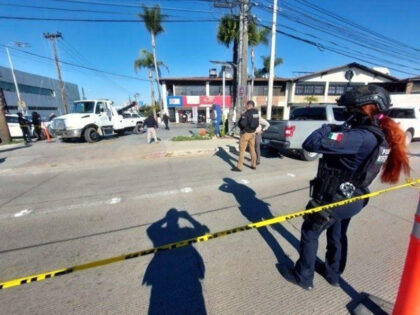
Six cartel gunmen died in a shootout near the beach tourist hotspot of Ensenada, Baja California. The shootout comes just days after two cartel banners addressed to FBI Director Kash Patel warned that Sinaloa Cartel gunmen would be targeting U.S. citizens.
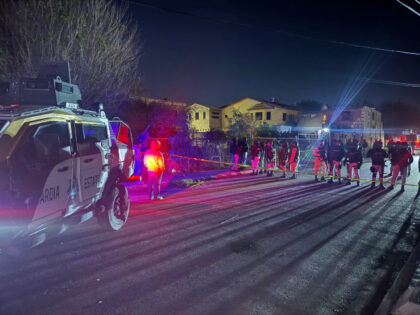
Cartel gunmen in Mexico put up two banners addressed to FBI Director Kash Patel and other officials from the U.S. and Mexico, threatening U.S. citizens living in the Cabo San Lucas and San Jose areas. The threats point to the U.S. getting involved in the cartel’s turf war in Sinaloa and Baja California.
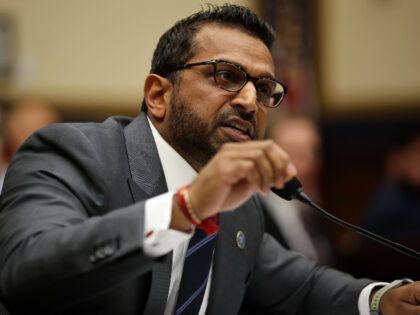
During a portion of an interview with CNN aired on Monday’s broadcast of “AC360,” an individual identified as a “senior cartel leader” within the Sinaloa Cartel, stated that the Trump administration has made the cartels’ job more difficult. CNN Senior