Trump Effect Spreads as Ecuador Arrests Top Fugitive Drug Lord
The Trump effect appears to have spread to Ecuador as authorities there arrested one of their most significant, violent drug lords.
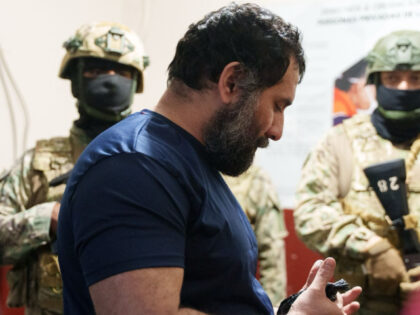
The Trump effect appears to have spread to Ecuador as authorities there arrested one of their most significant, violent drug lords.
Mexico’s government is rushing to the aid of two Mexican-based banks and a brokerage firm that the U.S. Department of the Treasury accused of working with various cartels to launder money or helping them move money to China to pay for fentanyl precursors. Mexican officials questioned the validity of the Treasury Department’s sanctions, stating that the claims lack sufficient evidence to support the allegations.
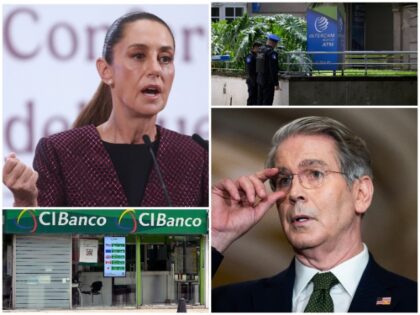
The U.S. Department of the Treasury has identified and sanctioned two Mexican banks and one brokerage firm over their alleged role in helping multiple cartels launder millions of dollars.
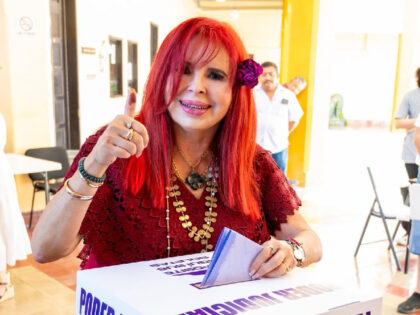
A governor from Mexico’s ruling party is accused of using the judicial system to shut down a small, local news outlet that had operated for nearly 50 years.
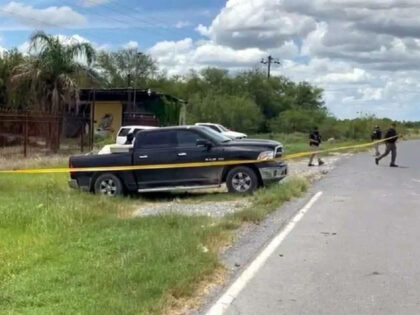
The U.S. Consulate in Matamoros, Tamaulipas, issued an alert over a series of kidnappings along certain Mexican border highways. The warning follows the actions by teams of gunmen who abducted at least ten people in at least three separate cases in recent days. It remains unclear if other similar cases have not been reported.
Authorities in Mexico warned of a growing trend in Cancun, where crime gangs are selling counterfeit currency through Facebook. Authorities have not been able to make any arrests, as the bills are made well enough to defeat some of the current methods used to detect counterfeit currency.

Authorities in southern Mexico are investigating the murder of a mayor at the hands of a team of gunmen who stormed the municipal headquarters, shooting their intended target and another city official. The attack is the second murder of a mayor in the Mexican state of Oaxaca in 2025.
A Mexican politician sparked harsh criticism in her country after she taunted U.S. State Department officials to revoke her visa and to “shove it.”
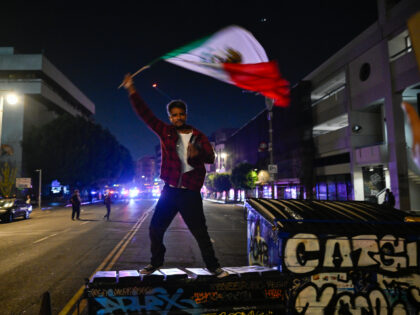
Mexican President Claudia Sheinbaum said her government is not ok with the ongoing immigration raids, claiming that they are targeting “honest” and “hardworking” individuals.

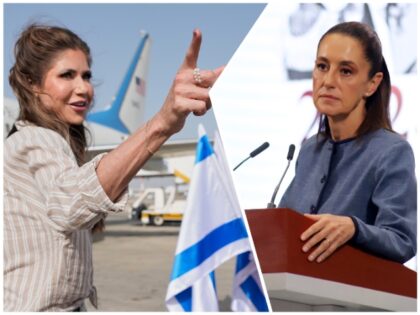
Mexico’s President, Claudia Sheinbaum, claimed that U.S. Secretary of Homeland Security Kristi Noem erroneously called her out, claiming that she encouraged the riots in Los Angeles.
The U.S. government moved to freeze the assets and financially target one of the leading cartels responsible for the ongoing fentanyl crisis in America and the raging cartel violence throughout Mexico.
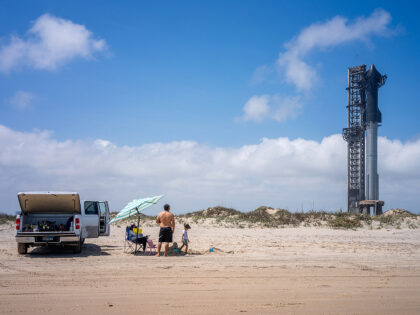
Officials in the Mexican border state of Tamaulipas have announced that they will be requesting a federal investigation into SpaceX for polluting Mexican beaches after pieces of the company’s rockets have washed ashore in recent days.
Mexican authorities confirmed the discovery of eight bodies belonging to a group of men who had been reported missing earlier this week. The discovery began when locals reported to authorities the discovery of a human ear in a rural area of Baja California.
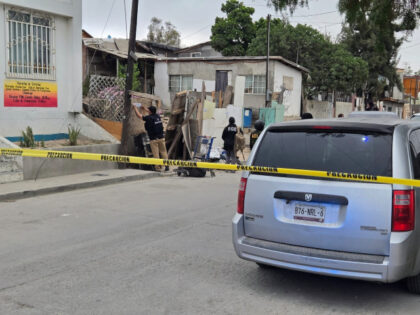
Just one day after the U.S. Supreme Court shot down one lawsuit from Mexico’s government against various gun manufacturers, President Claudia Sheinbaum claimed that her government was moving forward with other lawsuits aimed at the gun industry.
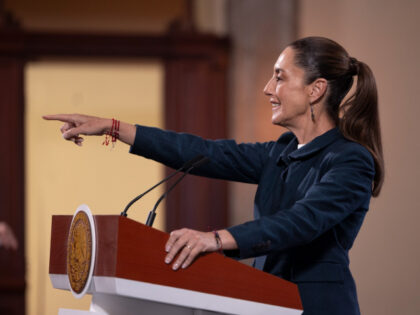
Colombia’s President Gustavo Petro has confirmed that 12 cartel gunmen recently arrested by Mexican military forces were former Colombian soldiers turned mercenaries. The politician claimed that selling their skills to the highest bidder was a high level of treason that should be punished to the fullest extent of the law.
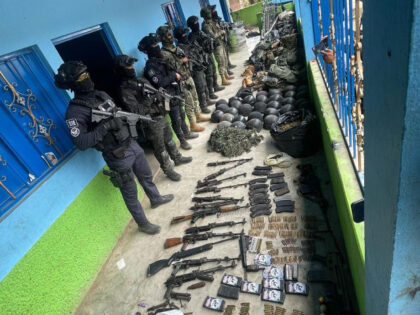
A Mexican national living in the U.S. under the protection of an Obama-era program called Deferred Action for Childhood Arrivals (DACA) will be spending more than eight years in prison for leading a straw purchasing ring that supplied firearms to cartel members in Mexico.
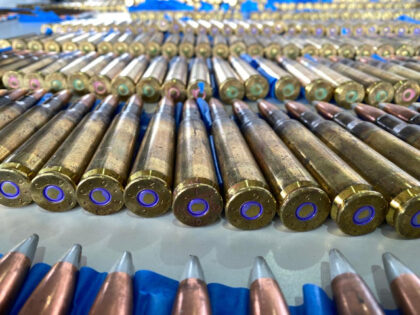
Gunmen with the Gulf Cartel are believed to be responsible for a series of attacks just days after authorities arrested a regional leader from that criminal organization.
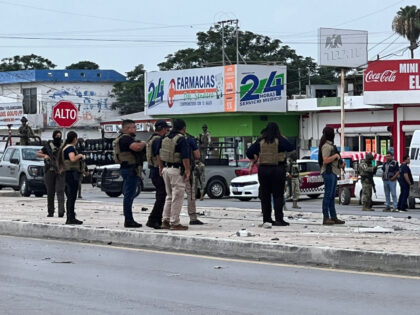
Mexican Army soldiers arrested a group of Colombian mercenaries believed to be behind a landmine attack that killed eight soldiers in western Mexico.
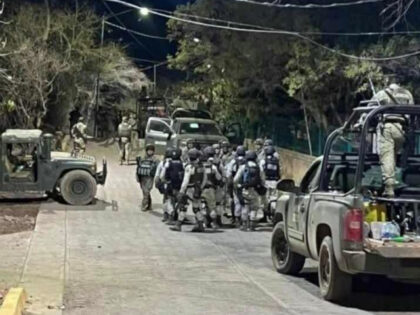
A group of cartel gunmen abducted, murdered, and incinerated a group of musicians in the border city of Reynosa, Tamaulipas. Desperate relatives held protests, vigils, and even blocked access to international ports of entry in an attempt to get government officials to act and not ignore the case, like the thousands of missing persons cases that have been taking place throughout the state of Tamaulipas in recent years.
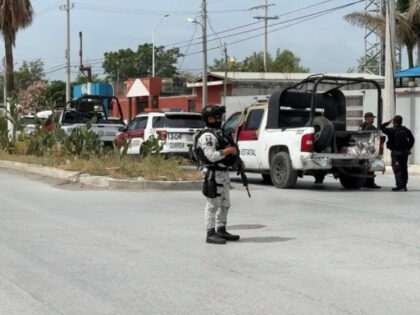
Mexico’s government remains tight-lipped about an explosion that killed six Mexican Army soldiers in the western state of Michoacan. The soldiers were riding in armored personnel carriers, and the explosion is believed to have been a landmine planted by one of the cartels fighting for control of the region.
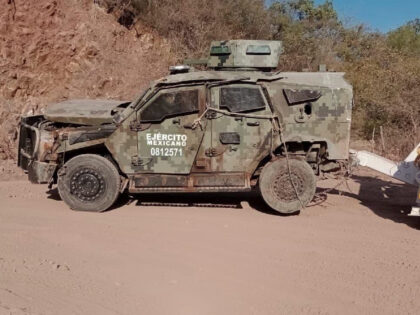
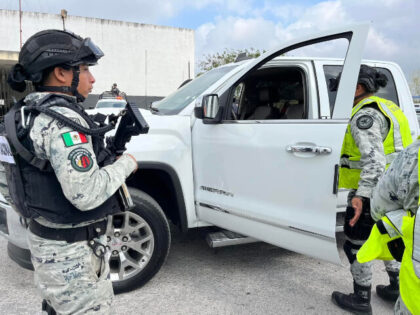
Authorities in Mexico arrested 11 members of the country’s National Guard for protecting an alleged cartel fuel theft operation in Central Mexico. The arrest comes at a time when the U.S government has singled out the theft of fuel and its underground market as one of the biggest revenue makers for drug cartels in Mexico.
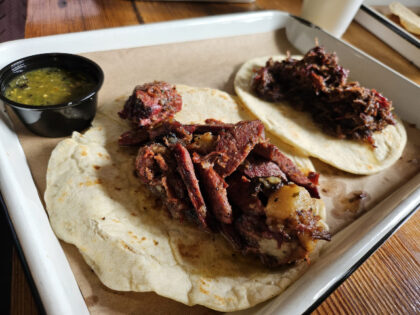
Federal authorities arrested several members of a cartel-connected Houston-based drug ring that allegedly used taco trucks to store and distribute different kinds of drugs. The group reportedly moved large quantities of multiple drugs including heroin, meth, cocaine, mushrooms, pills and marijuana.
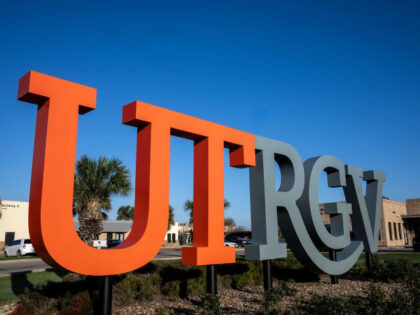
A lawsuit filed in federal court by three female professors claims that university officials are looking into establishing a bilingual university with course credit classes in Spanish and hiring only Spanish-speaking professors. The three professors claimed to have been racially discriminated against because they are not Hispanic — one is of African origin, while the other two are Asian.
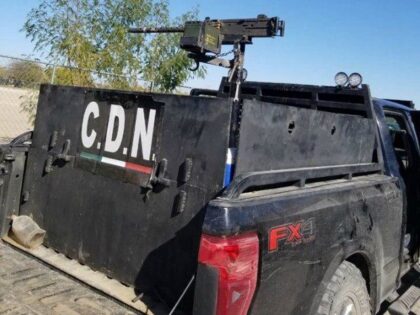
The U.S. Department of the Treasury announced the targeting of two key leaders of the terrorist organization known as the Cartel Del Noreste faction of Los Zetas. The move freezes all properties and assets of those two individuals and prohibits any U.S. company or individual from doing business with them.
Two top officials in Mexico City died at the hands of a team of gunmen in a crime that shook the highest levels of that country’s government. The targeted killing comes just days after a group of gunmen in Jalisco State shot and killed two police instructors with ties to the U.S. Department of State.
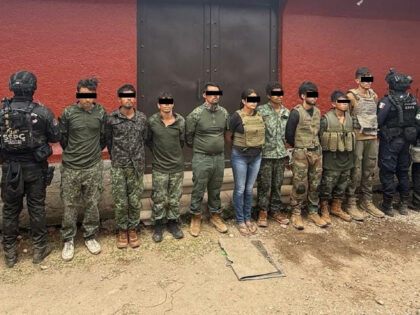
Authorities in Mexico announced the arrest of several Colombian soldiers who were part of a paramilitary group working for Cartel Jalisco New Generation (CJNG). The U.S. government designated the CJNG as a terrorist organization earlier this year.
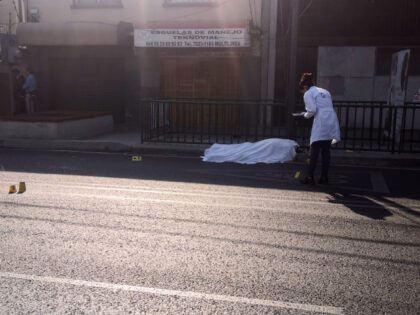
Authorities in Mexico are looking into the targeted killing of two men and the injury to a third who provided training to Mexican police agencies and worked as advisors for the U.S. Department of State and other agencies.
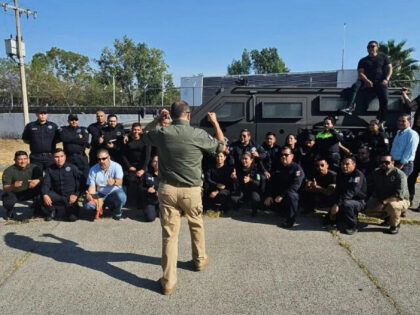
Las autoridades mexicanas investigan el asesinato de dos hombres donde un tercero quedo herido; ellos impartían capacitación a agencias policiales mexicanas y trabajaban ocasionalmente como asesores para el Departamento de Estado de USA y otras agencias.
Federal prosecutors announced that they had filed a terrorism related charge against a woman who is accused of getting grenades and being a key operator for Cartel Jalisco New Generation (CJNG). The case is the first ever terror charge related to CJNG.
A man who entered the country as an asylum seeker will be spending five years in federal prison for his role in a fentanyl trafficking conspiracy responsible for moving thousands of pills. The man had previously requested asylum, claiming “credible fear” of Mexican cartels.
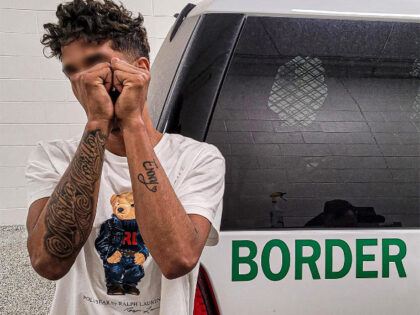
Federal prosecutors filed narco-terrorism charges against leading members of the Sinaloa Cartel. The move is the first of its kind following the February designation by the U.S. State Department of six Mexican cartels, including the Sinaloa Cartel, as foreign terrorist organizations.
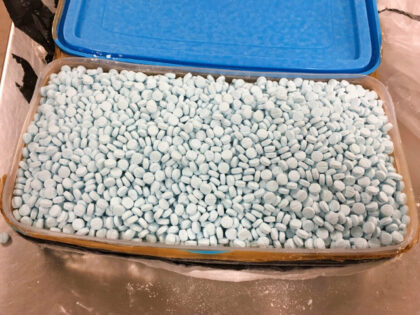
The Gulf Cartel continues to send teams of gunmen into Texas to steal four-door vehicles and smuggle them into Mexico to resupply their paramilitary wing. The ongoing crime wave leads to regular high-speed chases and, at times, vehicle carjackings at gunpoint. The Gulf Cartel is one of six cartels labelled as foreign terrorist organizations by the Trump Administration.
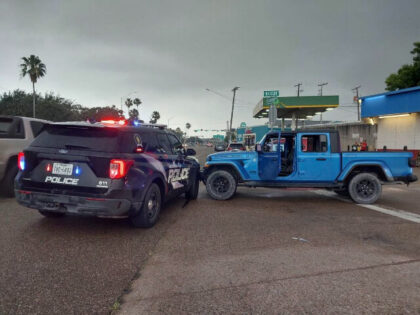
El Cártel del Golfo ha estado enviando grupos de pistoleros a Texas para robar vehículos de cuatro puertas e introducirlos de contrabando en México para reabastecer a su rama paramilitar. La actual ola delictiva provoca persecuciones frecuentes a alta velocidad y, en ocasiones, robos de vehículos a punta de pistola. El Cártel del Golfo es uno de los seis cárteles que la administración Trump ha catalogado como organizaciones terroristas extranjeras.
A Utah oil magnate and his family are free on bond as they await trial on federal money laundering charges tied to a complex cartel oil smuggling scheme. The family members are charged with smuggling more than $300 million in cartel oil into Texas and then selling it.
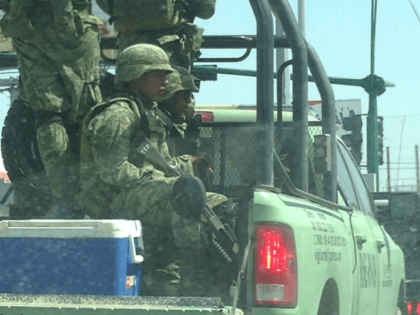
A group of gunmen fired into a crowded bar, hitting five Venezuelan migrants suspected of being members of the Tren De Aragua gang. Two of the TDA members died during the attack, while three others sustained injuries.
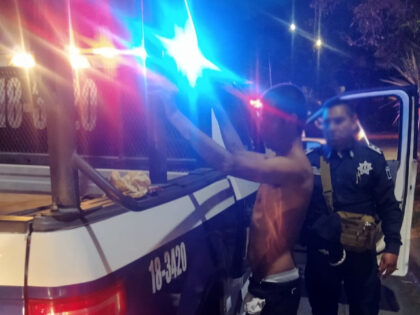
A woman who works in the Tamaulipas Attorney General’s Office in Mexico is facing money laundering charges after U.S. authorities arrested her allegedly trying to smuggle over 180,000 in cash for the Gulf Cartel, court documents show. The Gulf cartel is one of six groups recently labelled as Foreign Terrorist Organizations by the U.S. government.
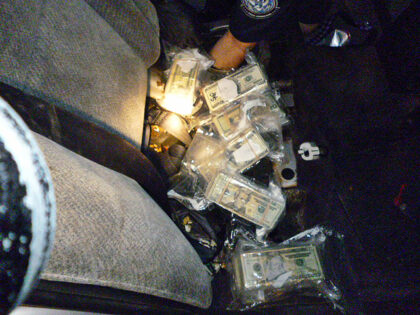
A Mexican governor and her husband announced on social media that U.S. officials revoked their tourist visas. The couple tried to downplay the incident in their post, claiming it was a common occurrence. However, the case sparked controversy in Mexico, where political opponents accuse the couple of having ties to organized crime.

A cell of the Sinaloa Cartel operated in four major U.S. cities. The cartel conducted a large-scale drug distribution operation throughout the western part of the country that led federal authorities to the largest fentanyl seizure to date.
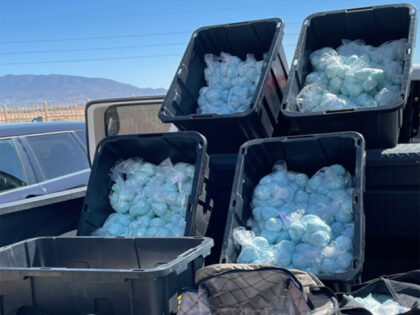
Universities in western Mexico were forced to close their doors due to the raging cartel violence in Sinaloa, which led to hundreds of murders, hundreds of forced disappearances, arson attacks, and other acts of violence. The schools are forced to offer remote classes despite the many claims made by Mexican government officials that security is improving in the region.
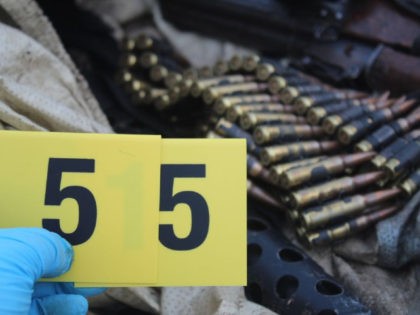
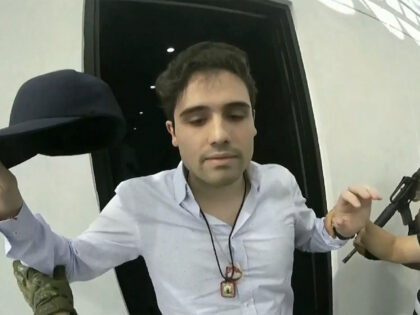
One of the sons of Sinaloa kingpin Joaquin “El Chapo” Guzman has reached a plea agreement with U.S. federal prosecutors and is expected to plead guilty to several drug conspiracy charges in the coming weeks.