Napolitano, on her first trip to Canada since joining President Barack Obama's Cabinet in January, was discussing security issues with Canadian Minister of Public Safety Peter Van Loan.

Napolitano was trying to get past the diplomatic gaffe after an interview last month with the Canadian Broadcasting Corp. in which she saidincorrectlythat the Sept. 11 terrorists crossed into the U.S. from Canada. The comments caused an uproar in America's neighbor to the north.
The Sept. 11 commission found that none came through Canada. But other extremists have, such as the would-be millennium bomber Ahmed Ressam, an Algerian convicted on multiple counts for plotting to bomb Los Angeles International Airport around Jan. 1, 2000.
"We know, and I know, that 9-11 terrorists did not cross the Canadian border. I regret that the Canadian media only seems to hear that earlier misstatement by me to that effect," Napolitano said at a brief news conference, adding that she wants to move on.
"So let me be perfectly clear: We know that. But what they also need to hear, and what you need to hear from me, are all the things we are doing with Canada, and will continue to do with Canada, to further our joint security because we share the same interests."
Other U.S. politicians have also claimed that the Sept. 11 terrorists entered the U.S. through Canada, a myth the Canadian government continues to try to dispel.
Van Loan said Canada has accepted Napolitano's correction and "moved on."
Opposition Liberal Leader Michael Ignatieff said in Washington last month that he thought Napolitano was seriously ill-informed about the border. Napolitano has also said that Canada "lets people into its country that we don't allow into ours."
Van Loan said Wednesday that Canadians should realize that there have been homegrown terrorism plots in Canada and pointed to two recent convictions. "I do caution people that they would be naive to think that those threats of terrorism are behind us."
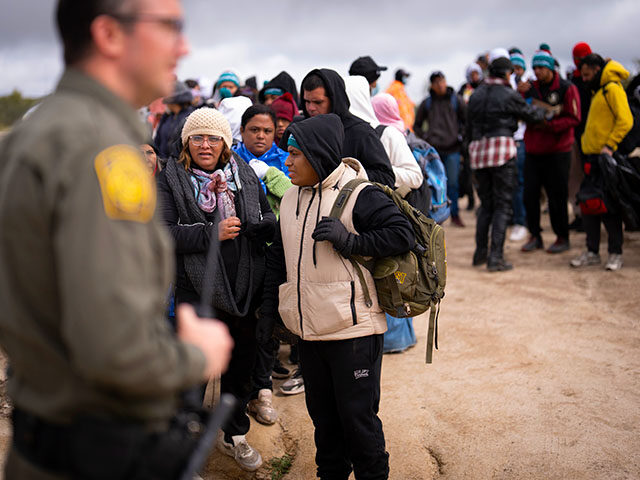
On Tuesday, Napolitano and Van Loan announced an agreement in Detroit to allow law enforcement authorities of both nations to share personnel and cross the border more easily to fight human, drug and weapon smuggling on waterways that separate them.
The agreement allows officers from the Royal Canadian Mounted Police and U.S. Coast Guard to ride each others' vessels for joint patrols and specific enforcement operations.
The move came as new border-crossing rules are to take effect Monday, requiring everyone coming into the U.S. from Canada to have passports or special driver's licenses.