With just three days to go before the opening ceremony in the Chinese capital, visibility was again poor near the main venues despite drastic measures to reduce the city's notorious smog.
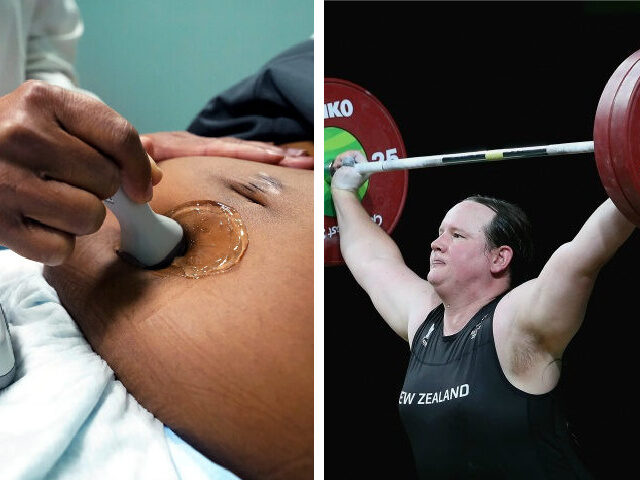
Some weightlifters, whose events take place indoors, warned that the pollution could affect their performances, while some athletes were seen arriving at Beijing airport wearing gas masks.

"Very bad," Turkish junior world weightlifting champion Sibel Ozkan told AFP, covering her nose and mouth with a cupped hand, when asked about the pollution.
Indonesian weightlifting team official Syafraidi Cut Ali said his squad were under strict instructions to stay in the open air as little as possible.
"We stay in our bedrooms and the dining rooms, not in the open," Ali said. "It is a problem."
However the International Olympic Committee's medical commission chairman, Arne Ljungqvist, said pollution levels were not as bad as first feared and blamed the media for exaggerating the issue.
"I'm confident the air quality will not prove to pose major problems to the athletes and to the visitors in Beijing," Ljungqvist said.
Ljungqvist said media coverage highlighting the pollution had convinced stars such as Ethiopian Haile Gebrselassie and British marathon runner Paula Radcliffe that competing here might damage their health.
IOC chief Jacques Rogge warned last year that poor air during the Games could result in the suspension of some events, particularly endurance races such as the marathon.
Some athletes agreed the air quality was not as bad as they had feared.
New Zealand world champion rower Mahe Drysdale, speaking from the purpose-built Shunyi course on the outskirts of the city, said he was pleasantly surprised.
"I was up here last September and the smog was a lot worse then," said Drysdale. "They've done a good job clearing it up."
China Environmental Monitoring Centre's daily reading rated the air quality as grade two on Tuesday -- "fairly good" on its own scale. The air cleared noticeably in the afternoon in central Beijing.
However, environmental groups say China's air quality standards do not address several key factors including levels of ozone, which can be particularly harmful.
Beijing enjoyed unusually blue skies last weekend following last-minute anti-pollution measures introduced on July 20, prompting optimism that organisers had managed to control air quality ahead of the Games.
Those measures included removing one million of the city's 3.3 million cars from the roads and closing down more than 100 heavily polluting factories and building sites.
Chinese authorities have said they could take even more drastic steps if air quality remained poor, including removing an additional 500,000 cars from the roads around Beijing.