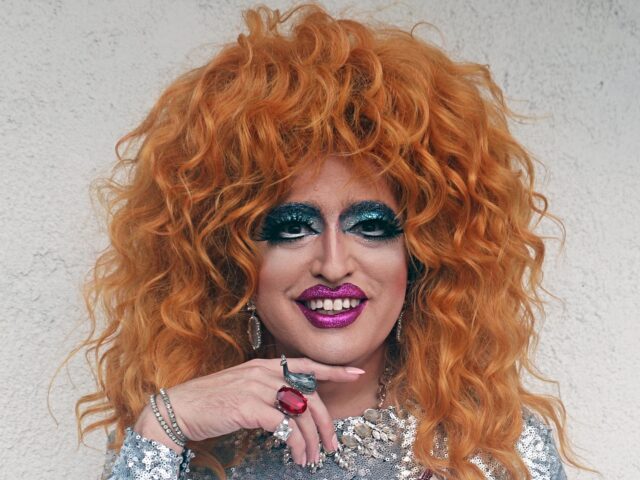
Pop idol-turned-actress Noriko Sakai was sentenced to 18 months in prison, suspended for three years, Monday by the Tokyo District Court for possessing and taking illegal stimulant drugs this summer.
A week after actor-singer Manabu Oshio was also given a suspended 18- month term for taking the synthetic drug MDMA, the ruling on a bigger- name celebrity comes as a fresh and vivid reminder that the Japanese show business industry is not immune to illegal drugs.
Sakai, 38, was convicted of smoking a stimulant drug on or around July 30 during a family trip to Amamioshima Island, Kagoshima Prefecture, and of possessing 0.008 gram of the drug on Aug. 3 at her Tokyo home.
Her husband, Yuichi Takaso, 41, a self-described pro surfer, was arrested Aug. 3 and is awaiting the Nov. 27 verdict on charges also of stimulant drug possession and use. Prosecutors have demanded he receive two years in prison.
Judge Hiroaki Murayama said Sakai was addicted to and in a way dependent on the drug, and described her behavior following her husband's arrest as "contemptible as she fled from area to area in an attempt to avoid detection of her use."
Sakai left the scene when Takaso was questioned by police on the street and went on the run before turning herself in five days later in a bid to clear her body of the drug, she has told the court.
"Unfortunately, this incident and the trial are the reality," Murayama told her. "You will likely realize its gravity from now on, but I hope you won't succumb to it and will cut off drugs and rehabilitate."
At the one-day hearing of her trial Oct. 26, prosecutors demanded 18 months imprisonment after she admitted to the charges and apologized.
The highly publicized case attracted 3,030 people hoping to win by lot one of the 21 gallery seats available on the day of the ruling, the court said.
Since Takaso's arrest and the discovery of drugs at Sakai's home the same day, the Japanese media has covered developments extensively, prompting the Broadcasting Ethics & Program Improvement Organization to warn last week that the reporting was "overheated."
The case has been widely portrayed as a betrayal by Sakai, known by her nickname "Nori-P," of her image as a pure and innocent idol and more recently as a good mother in a happy family.
Sakai debuted in 1986 in a TV drama, released her first record the following year, and gained popularity in other parts of Asia, including in mainland China, Taiwan and Hong Kong, in the early 1990s. She married Takaso in 1998 and gave birth to their son in 1999.

In the wake of the cases involving Sakai and Oshio, the Japan Association of Music Enterprises held an antidrug seminar for artists' managers Friday, which an official said was part of its "long-term efforts" to break the industry's connection with drugs.
Grouping around 100 talent agencies, the association also is considering mobilizing performers for antidrug campaigns from the viewpoint that illegal drug use is a problem not only in show business, it said.
But the industry tends to easily pardon artists and musicians convicted in drug cases, said Masaru Nashimoto, 64, an entertainment reporter calling for this tendency to change.
Hope lingers among fans and industry insiders for Sakai to stage an early comeback, which Nashimoto said usually happens after a year in cases involving stimulant drugs and half a year in those involving marijuana.