Wilders posted his film "Fitna", featuring violent imagery of terror attacks in New York and Madrid intertwined with Koranic texts, on the Internet on Thursday.
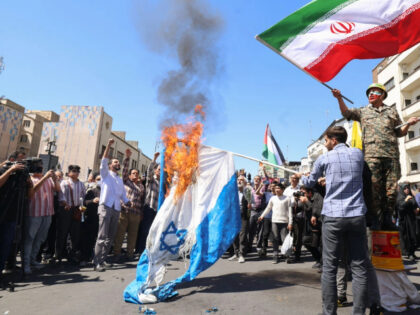
A handful of Muslim countries had responded early Friday, with Iran saying the short movie showed some Westerners were waging a "vendetta" against Islam, and warning of unspecified repercussions.
Bangladesh also said the film could have "grave consequences", while a coalition of Jordanian media said it would sue Wilders and launch a campaign to boycott Dutch products.
The European Union's Slovenian presidency also attacked the film, saying it served "no other purpose than inflaming hatred."
But Muslim leaders in The Netherlands called at a joint press conference for their co-religionists in other countries not to over-react.
"We call on them to follow our strategy and not react with attacks on Dutch embassies or tourists," the head of the Dutch Moroccan community, Mohamed Rabbae, said.
"We feel offended by the link between violence and Islam but we know this guy (Wilders), the best response is a response in a responsible manner."
In an interview with AFP Wilders said "it was not my intention to cause riots," and he was happy about the mild reaction in the Netherlands.
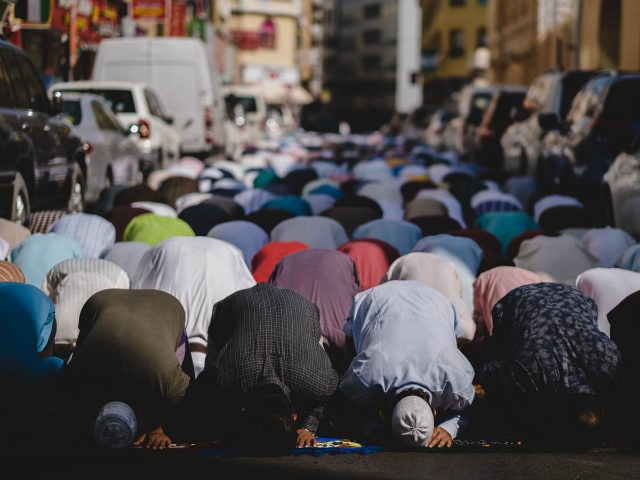
As part of damage control efforts by the government the Dutch ministers of justice and integration met Friday with organisations representing religious and minority groups to talk about the film ahead of weekly prayers in the country's mosques.
The right-wing Telegraaf paper said that "Friday prayers are crucial," and warned of possible violent reactions to come from abroad especially in Pakistan and Afghanistan.
But the left-leaning Volkskrant said the film "was not as over the top as expected".
Christian paper Trouw summed it up as "'Fitna' offends but does not surprise", while the popular Algemeen Dagblad concluded "the book, the Koran, is better".
On Thursday the Dutch government was quick to say it regretted that the film finally aired, despite calls on Wilders to reconsider.
"The film equates Islam with violence. We reject that interpretation," Prime Minister Jan Peter Balkenende said in a solemn statement a few hours after the film appeared on the LiveLeak video sharing website.
The first minutes of the 17-minute movie show a Koran being opened and the text of a sura from Islam's holiest book, which translated from Arabic implores the faithful to "terrorise the enemies of Allah".
The opening scenes are followed by images of the attack by hijacked airliners on the World Trade Centre in New York on September 11, 2001, with soundbites from telephone calls to the emergency services on that day.
The film continues with grisly images of bloodstained bodies in the aftermath of the Madrid train bombings in March 2004, video footage of beheadings and executions and other gruesome images Wilders links to Koranic texts.
The film concludes with someone leafing through the Koran, accompanied by a tearing sound.
"The sound you heard was from a page (being torn out) of the phone book. It is not up to me, but up to the Muslims themselves to tear the spiteful verses from the Koran," says a text that appears on the screen.
"Stop Islamisation. Defend our freedom," the film concludes.
The final image is a reproduction of the Danish cartoon of the Prophet Mohammed with a bomb as a turban. The fuse coming from the bomb is lit and as the screen turns black there is the sound of thunder.
The government said the public prosecutor's office was investigating the film to see if it broke any laws, but the general feeling of legal experts in the Netherlands was that although it may be seen as offensive by some it was not illegal.