AFP:   Breaking  |  World  |  US  |  Politics  |  Business  |  Entertainment  |  Life  |  Science   |  Odd  |  Sports
Obama faces delicate balancing act on climate
Share on Facebook Bookmark and Share
Having vowed US climate action, President Barack Obama heads to Copenhagen needing to perform a delicate balancing act between huge expectations and the reality of a reluctant Congress.

Obama will travel to the Danish capital on December 9 to offer the first US plan to cut carbon emissions, officials said Wednesday, reviving hopes the closely watched meeting will succeed.

He will offer to curb US emissions by 17 percent from 2005 levels by 2020 -- less than calls by the European Union, Japan and UN scientists -- but the first concrete numbers put on the table by the world's largest economy and second biggest polluter.

Analysts warn this is a risky gamble for Obama because the goals -- with longer-term pledges of a 30 percent reduction in emissions by 2025, 42 percent by 2030 and 83 percent by 2050 -- are conditional on action in Congress.
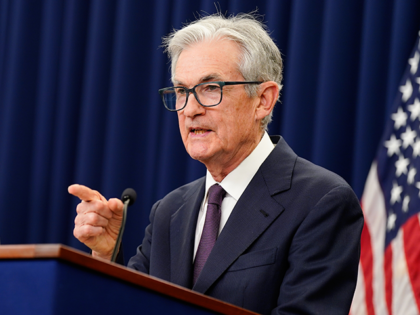
"The administration has to walk a very careful balance here," Michael Levi of the Council on Foreign Relations told AFP.

"It's clearly trying to satisfy the European demand for an initial target in Copenhagen. It needs to do that in a way that ensures that it does not lose Congress in the process."

The announced targets to curb greenhouse gas emissions match those outlined in a bill passed by the House of Representatives in June.

But the Senate has yet to complete legislation to mandate cuts in the heat-trapping gases, amid staunch opposition from not just the Republican opposition but also Obama's fellow Democrats in coal manufacturing and oil-rich states.

Carol Browner, Obama's top climate policy aide, acknowledged that the administration's targets would have to be readjusted after Congress adopts a bill.

A slightly more ambitious measure before the Senate, but not due to be debated again until early next year, talks of a 20 percent reduction from 2005 levels by 2020.

Opponents of the bill are especially hostile to a cap and trade system to battle climate change.

Obama favors the approach, which sets a cap on the total pollutants companies can emit and then forces heavy polluters to buy credits from entities that pollute less -- creating financial incentives to fight global warming and boost green technology.

But some lawmakers fear utility companies would be free to pass on most of the costs of government pollution permits to consumers, hurting job growth and businesses.

Democratic Senator John Kerry was hopeful that Obama's announcement could sway both other nations and US lawmakers.

"This could be one hell of a global game changer with big reverberations here at home," Kerry said.

Todd Stern, Obama's climate change envoy, said earlier this month that the United States cannot commit to a deal in Copenhagen if "major developing countries make no commitment at all," adding that "no country holds the fate of the Earth in its hands more than China."

China, the world's biggest polluter and most populous nation, put its first-ever emissions targets on the table Thursday, vowing to cut carbon intensity, measured per unit of GDP, by 40 to 45 percent from 2005 levels within a decade.

India is the only remaining major emitter that has not yet announced any cuts.

A key goal of the UN-sponsored talks in Copenhagen is to clinch a successor treaty to the Kyoto Protocol before it expires in 2012, but officials have already warned that no binding treaty will be achieved.

European leaders "are going to determine whether what the United States is willing to do in Copenhagen is sufficient or not," according to Levi, who warned that too much European criticism of the US plans or not enough pressure on China could scuttle the bill now before Congress.

Compared with the 1990 benchmark used by almost every other country, the US target only amounts to about a four percent reduction in emissions of the gases blamed for global warming.

The European Union has vowed to reduce its emissions by 20 percent from 1990 levels before 2020, raising the target to 30 percent in the event of an international agreement. Japan has offered 25 percent, but attached conditions.


Copyright AFP 2008, AFP stories and photos shall not be published, broadcast, rewritten for broadcast or publication or redistributed directly or indirectly in any medium